Translate
2026 BEACoN Research Symposium
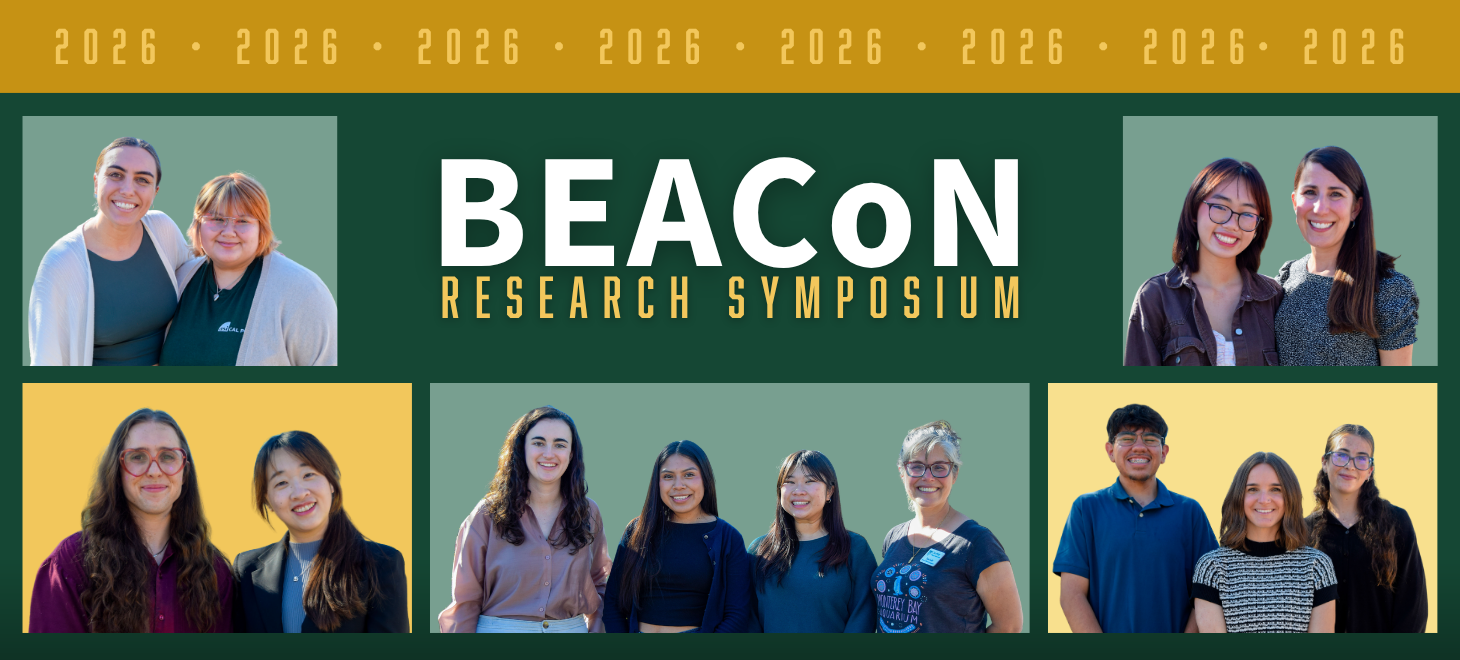
Cal Poly Culture and Institutional Excellence invites the campus community to the annual BEACoN Research Scholars Symposium which showcases research projects conducted by student and faculty teams across the university.
The symposium is a time to celebrate these student researchers and their projects. The event will start with brief remarks by Dr. Kelly Bennion, Dr. Beya Makekau and BEACoN Research Scholars. Then all are welcome to engage with the researchers and their mentors and learn from their projects.
We hope to see you there!
Date: Wednesday, June 10th, 2026
Time: 12:00 PM – 2:30 PM
Location: Multi-Activity Center (MAC)
Expand to view map.View Projects by College
College of Agriculture, Food and Environmental Sciences (CAFES)
Metabolomic Analysis of Fertility Traits in Transitioning Dairy Cows | Kaileen Grace with Dr. Mohammed Abo-Ismail
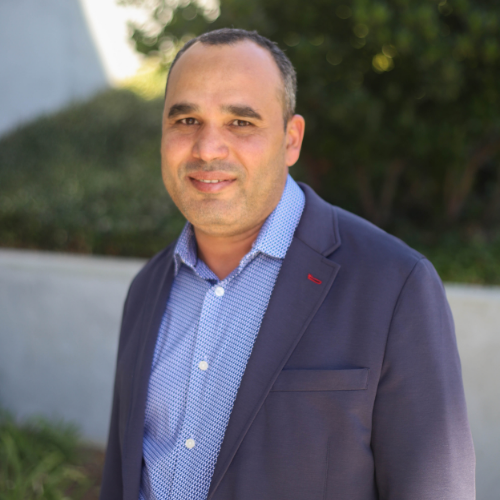
Navigating Just Transitions: Indigenous Environmental Justice Across California Renewable Energy Projects | Adam June Bloom with Dr.Yu Cao
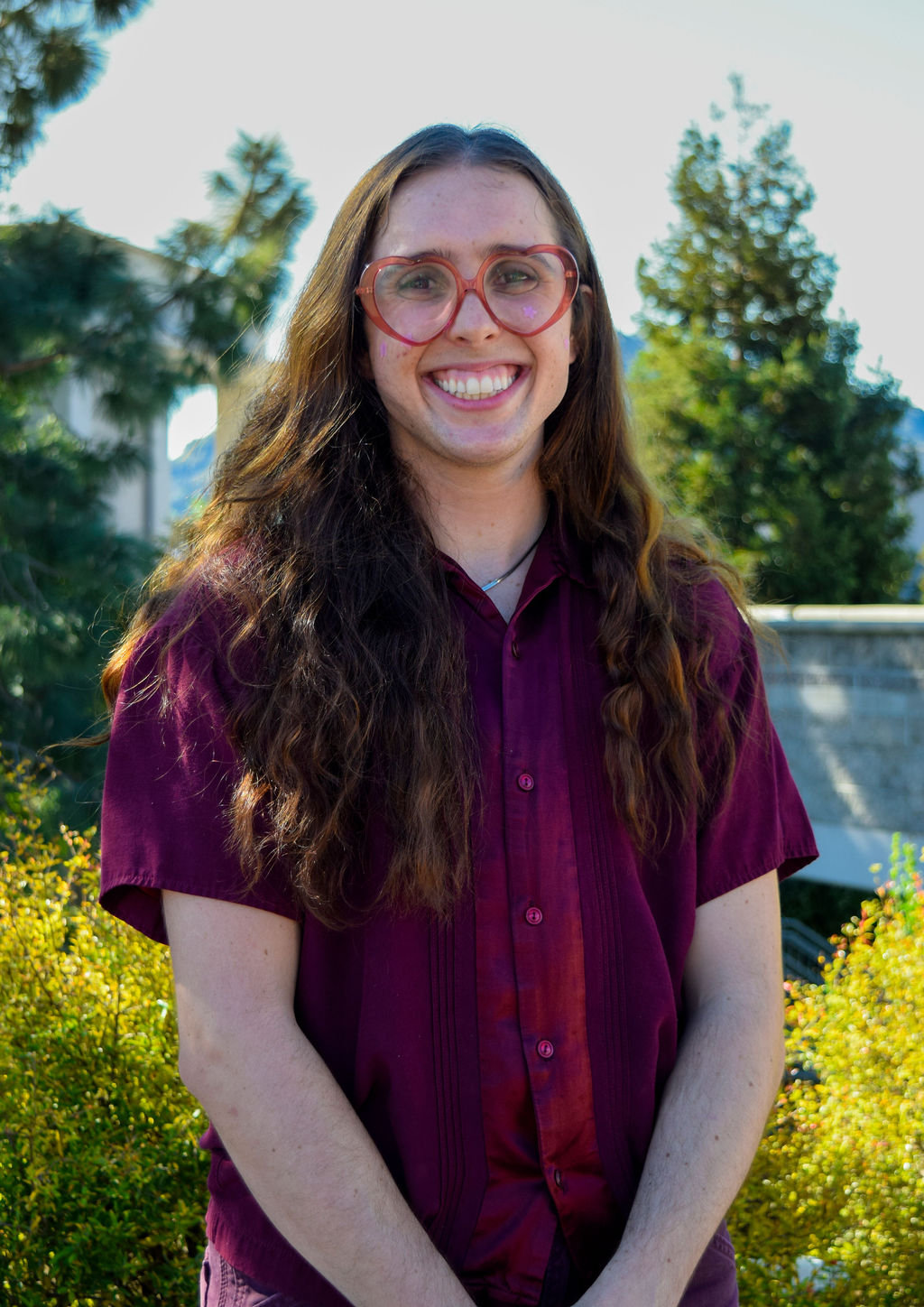
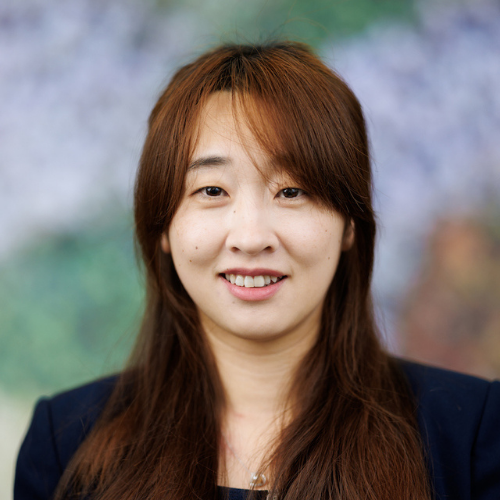
Robotic End Effector Prototype for Table Grape Harvesting Applications | Jacob A. Reyes with Dr. Bo Liu
Splash of Natural Colors: Algae Pigments for Food Applications | Taya Schmidt with Dr. Ramírez-Rodrigues
Soil Carbon Dynamics in Utility-Scale Solar on Fallowed Farmland | Andrea Hernandez with Dr. Seeta Sistla
College of Architecture and Environmental Design (CAED)
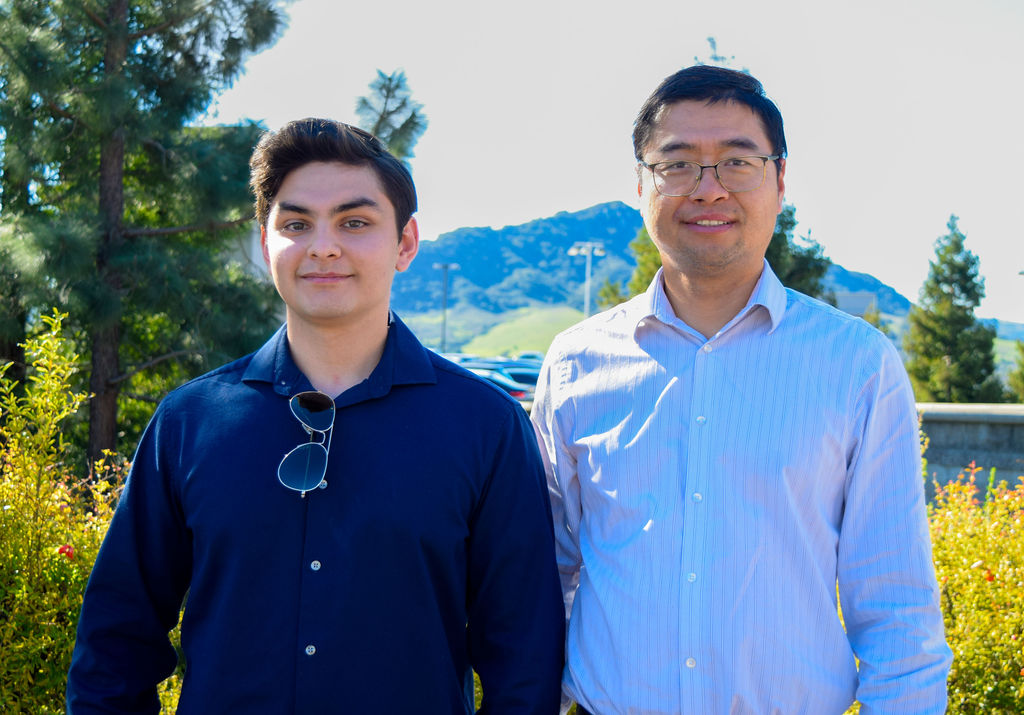
Prototyping a Waste Management System in Tanzania, Africa | Nika Zamani and Alister Clark with Professor Thomas Fowler IV and David Kempken
Academic Norms and Intergenerational Impact for First-Generation Students | Kimberly Maria Santana with Jason Michael Miller
College of Engineering (CENG)
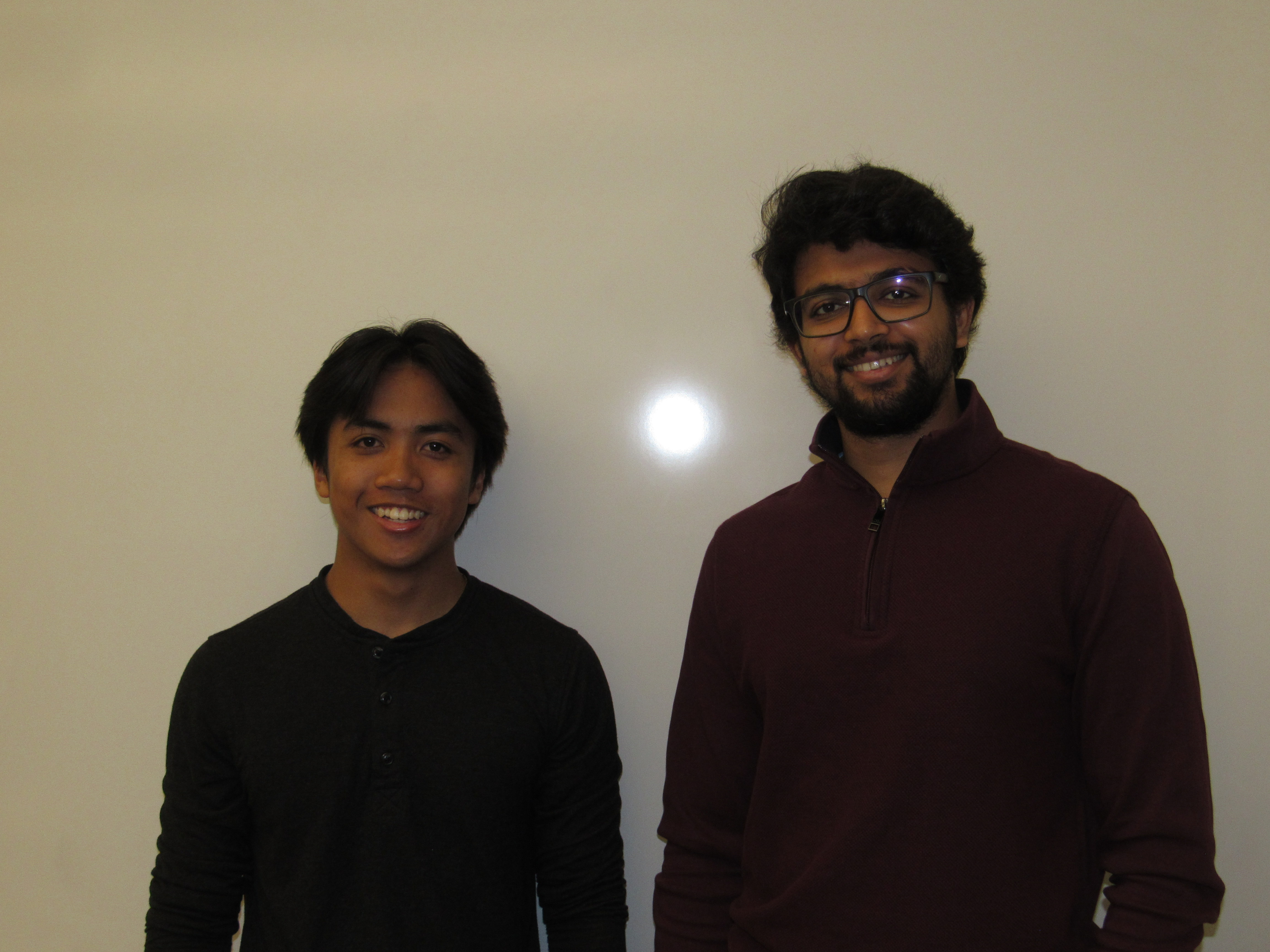
Handling Uncertainty in Robotic Assembly: A Confidence-Aware Human-in-the-Loop Vision System with Digital Twin Integration | Noah Barlahan with Aditya Chivate
Coordinating Robot-to-Robot Task Handoffs for Heterogeneous Robot Teams | Christopher Tumbokon and Caitlin Osorio with Carlos Diaz Alvarenga and Sachiko Matsumoto
Gesture-Controlled Robotics Through Virtual Reality Interfaces | Millie Estrella Lombera with Javier Gonzalez Sanchez and Rafael Antonio Guerra Silva
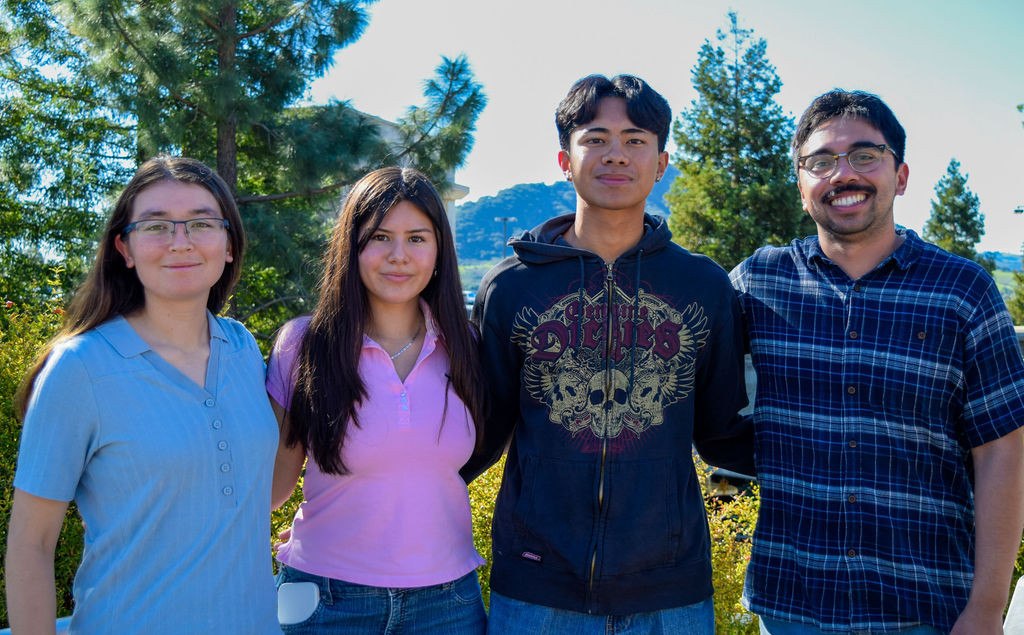
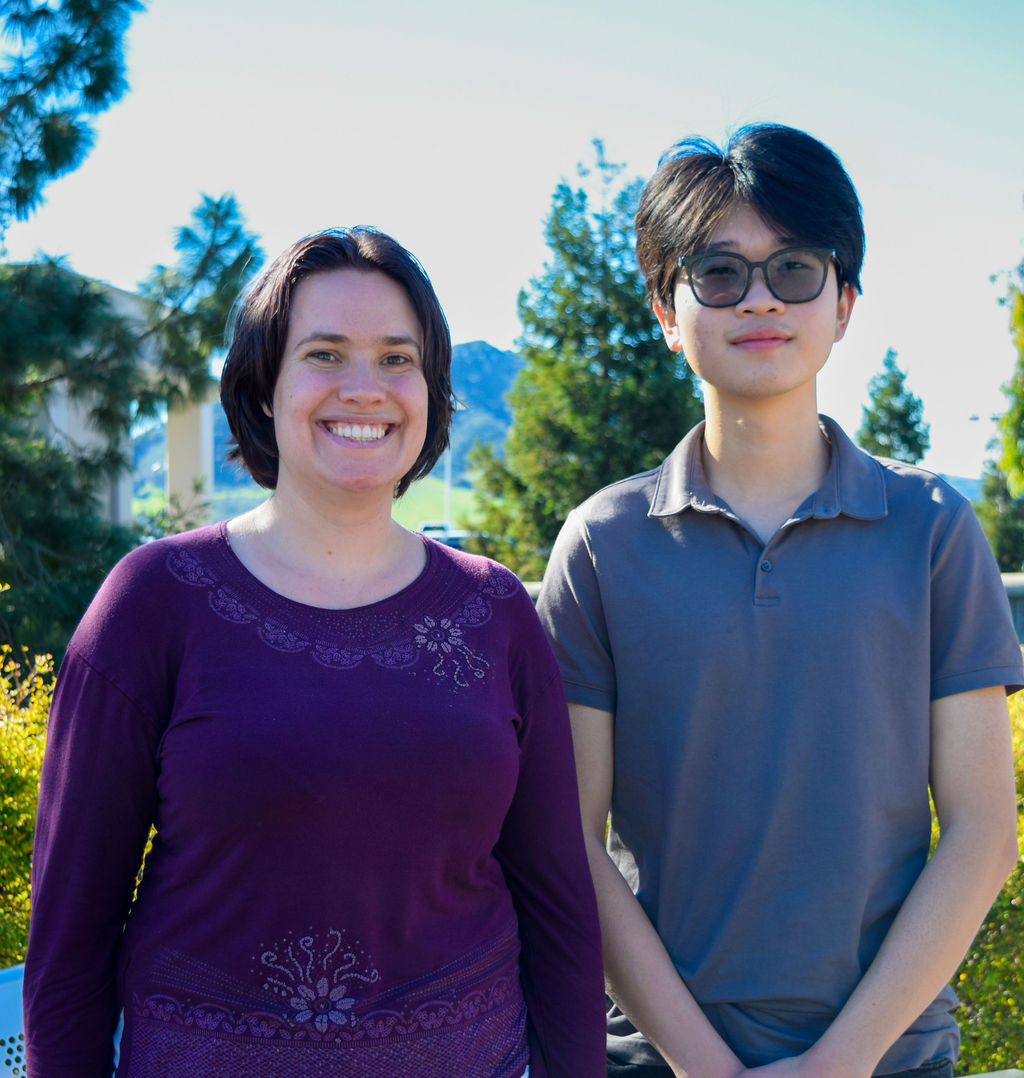
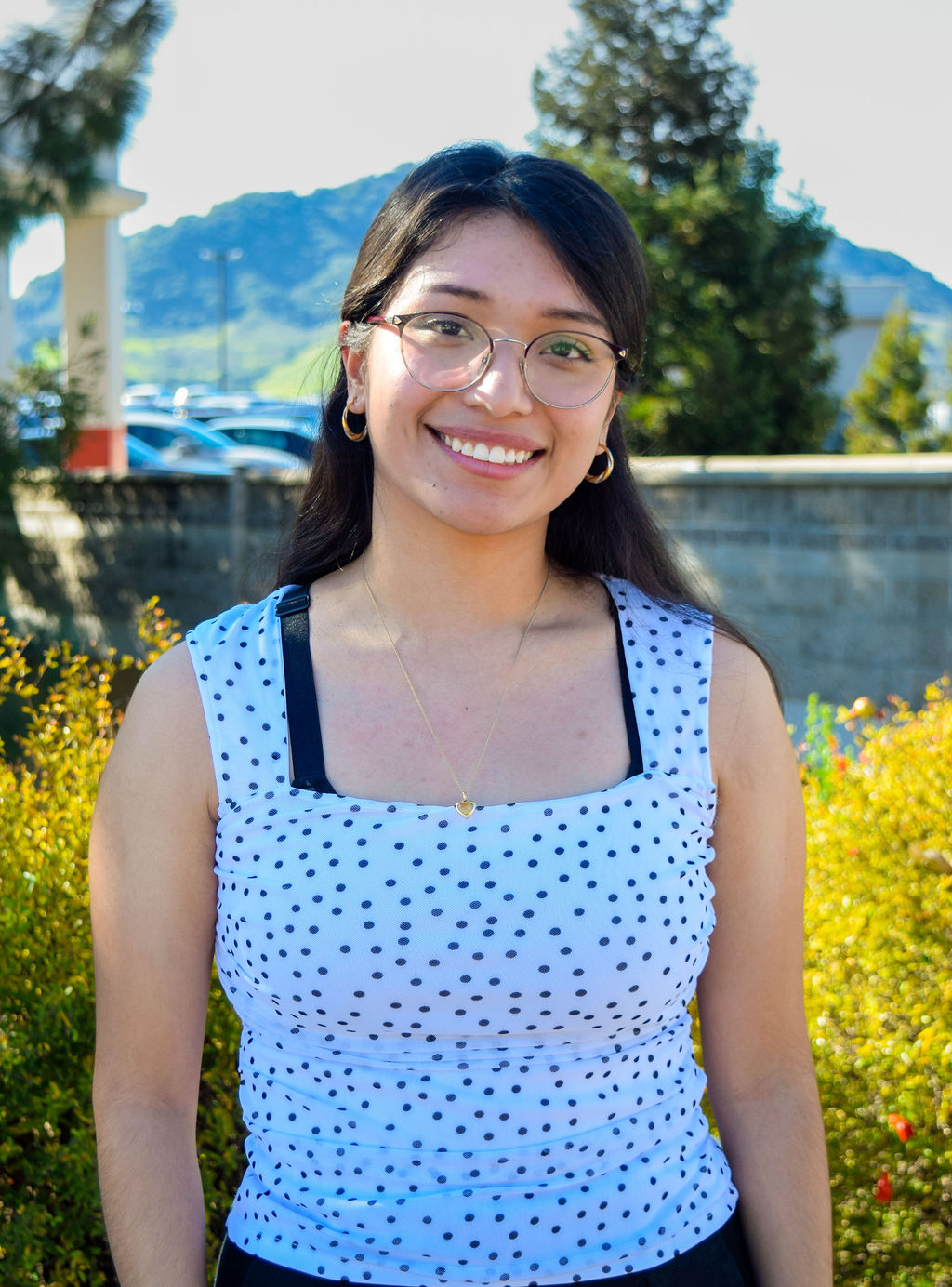
Rush Hour Delivery! Designing Robotics Labs for Latine/x Students in EPIC | Andrea Bautista Rocha and Hao Lam with Nicole Johnson-Glauch
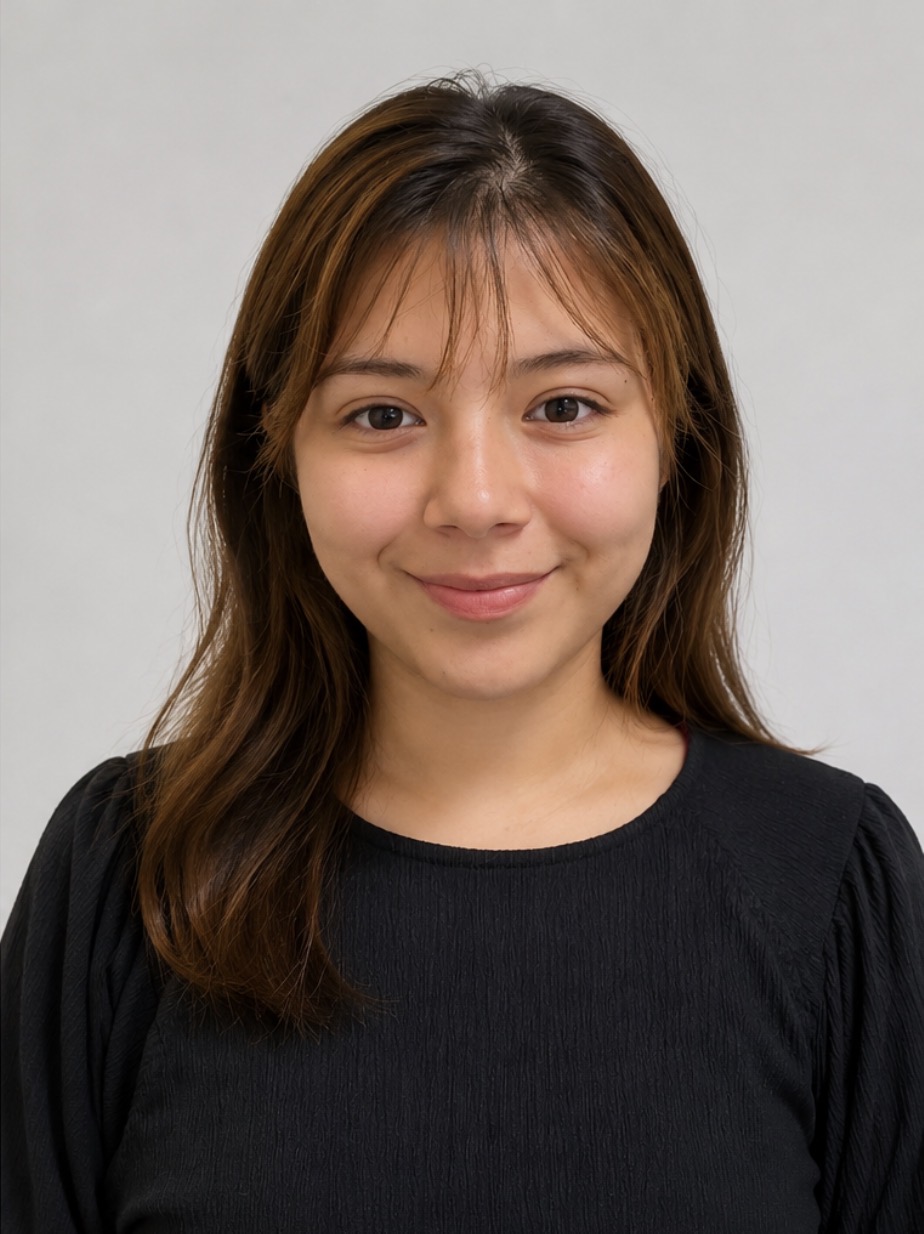
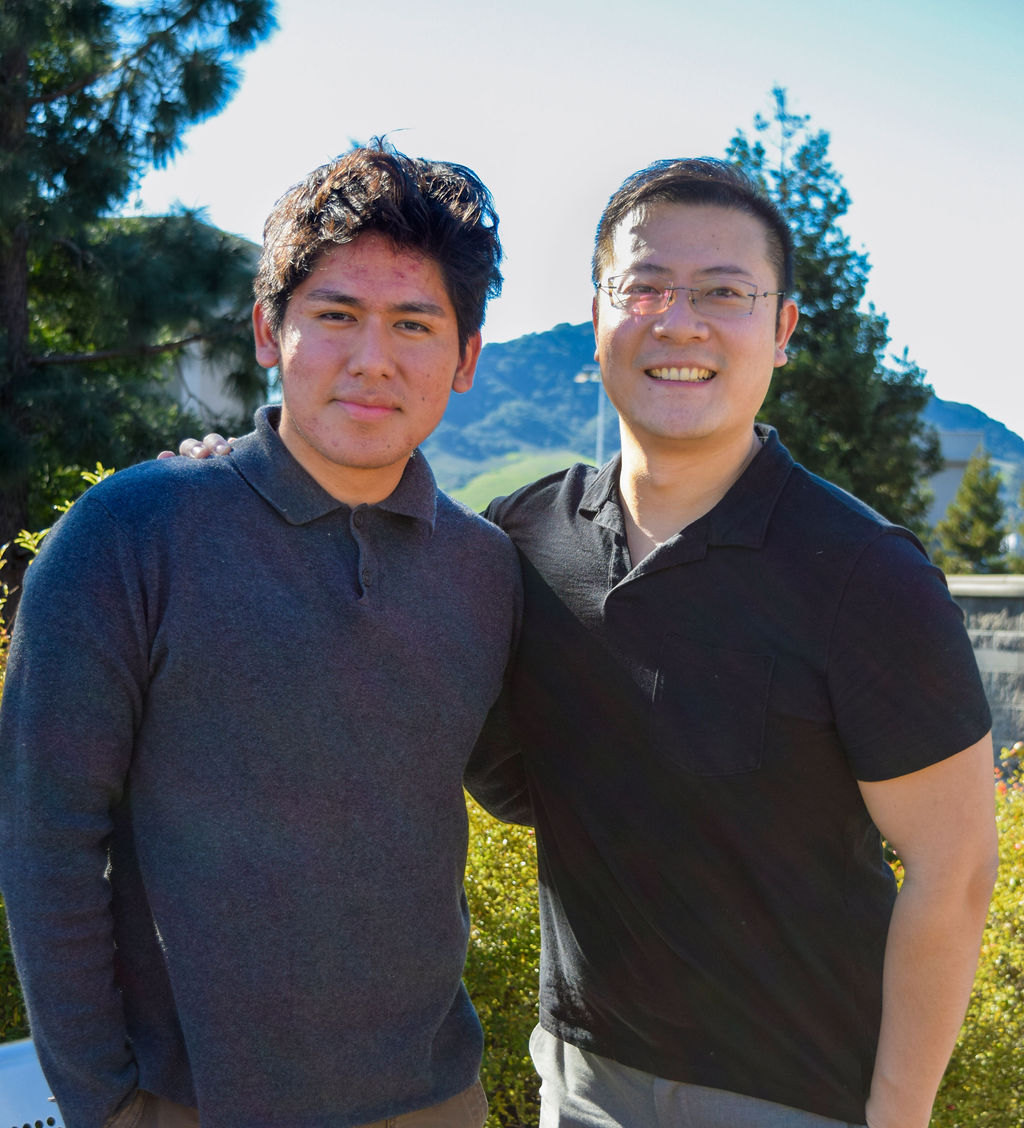
Development of Wearable Sensing Systems for Lower-Limb Amputees | Alexis Carrera with Dr. Long Wang
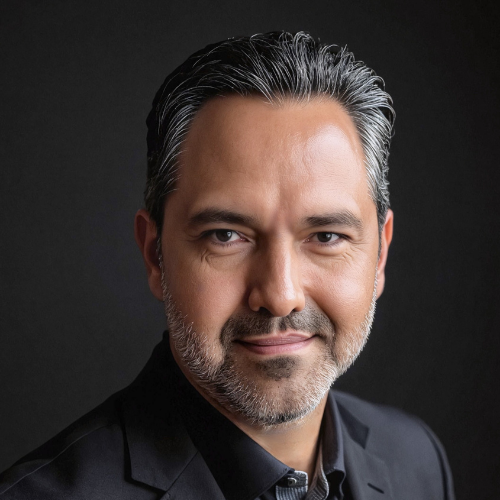
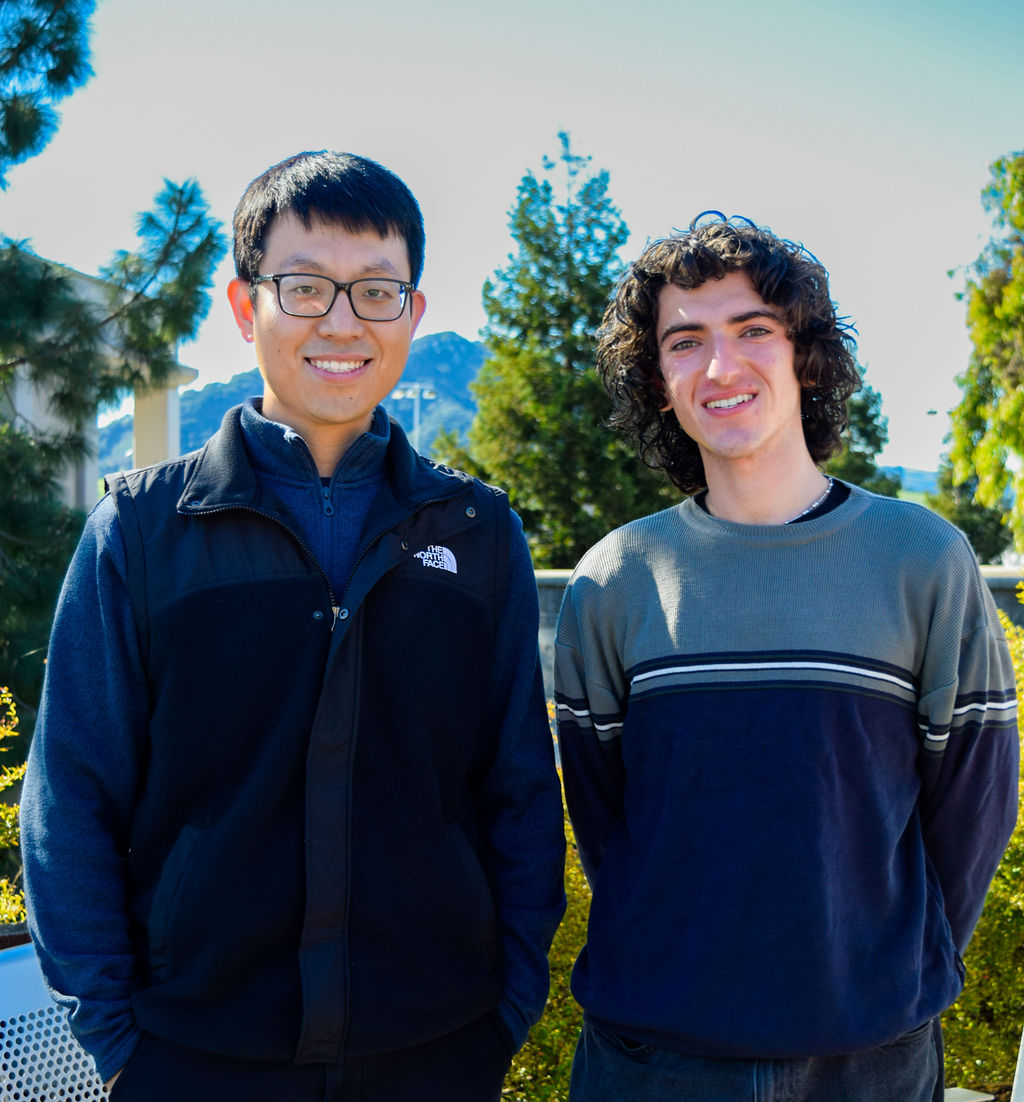
Equitable Design of Service Networks Under Natural Disasters | Nicholas Voyagis with Dr. Zhiyuan Wei
Exploring the Impact of First-Year Study Abroad Experiences as a High Impact Practice Designed to Support Student Success | Leslie Gomez Ruiz and Jesus Serrano Osuna with Jane Lehr and Justin Kumamoto | Crosslisted under College of Liberal Arts
College of Liberal Arts (CLA)
Archiving for Racial Justice: Lace Janine Watkin's Life and Legacy | Molly Ford with Dr. Alexia Arani
Virtual Jigsaw Puzzles for Older Adults: Effects on Loneliness and Cognition | Delaney Moriarty with Sara Bartlett
The Defense Dilemma: Why Defensive Responses to Bias Are Less Important Than Who Is Judging | Aniyah DuBose with Jennifer Beatty-Wright, PhD
Racial Climate Change on Cal Poly's Campus: An Autoethnography | Maraly Damian and Kyleigh L. Roberts-Spight with Darrian Carroll
Authoritarianism and the Environment | Ashley Villanueva and Lea Graham with Nikhil Deb
STEM Identity and Student Belonging in Research | Yaneli Ava Cruz with Dr. Ivan Hernandez
Co-Design AI Prompt Deck | Katelyn Au with Christine Lee
Exploring the Impact of First-Year Study Abroad Experiences as a High Impact Practice Designed to Support Student Success | Leslie Gomez Ruiz and Jesus Serrano Osuna with Jane Lehr and Justin Kumamoto | Crosslisted under College of Engineering
Engineering is not Neutral: Faculty Experiences Teaching Sociotechnical Lessons | Kelly Hoang and Emily Santos with Dr. Andrea Schuman, Dr. John Oliver, and Dr. Jane Lehr
Guano, Graduates and Imperial Groundwork: Exporting Engineers and Transforming Environments | Emma Ao with Dr. Maggie Mang
Trauma-Informed Computing and Security in a Privacy Class | Saina Kakkar with Dr. Kylie Parrotta
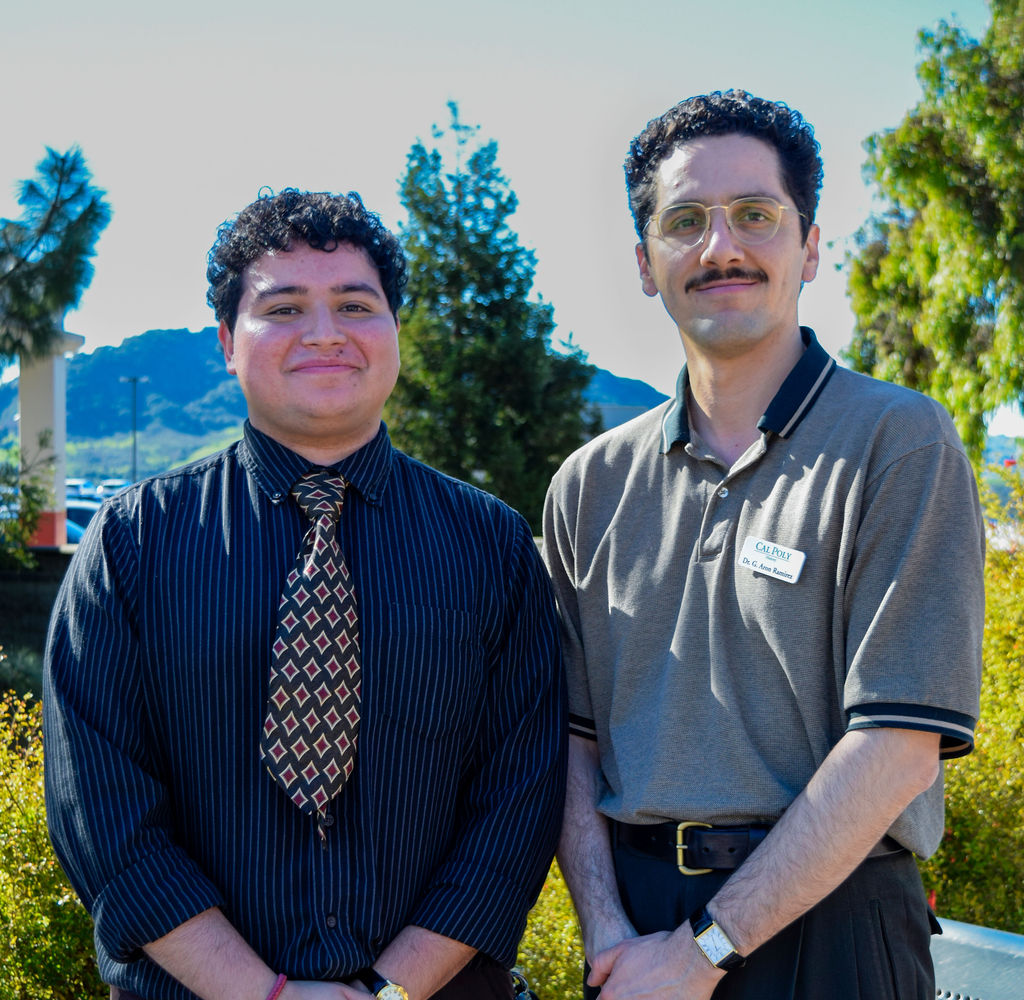
What the "Hispanic Housing Crisis" says about Homeownership in the Neoliberal Order | Edwin F. Villalobos with Aron Ramirez
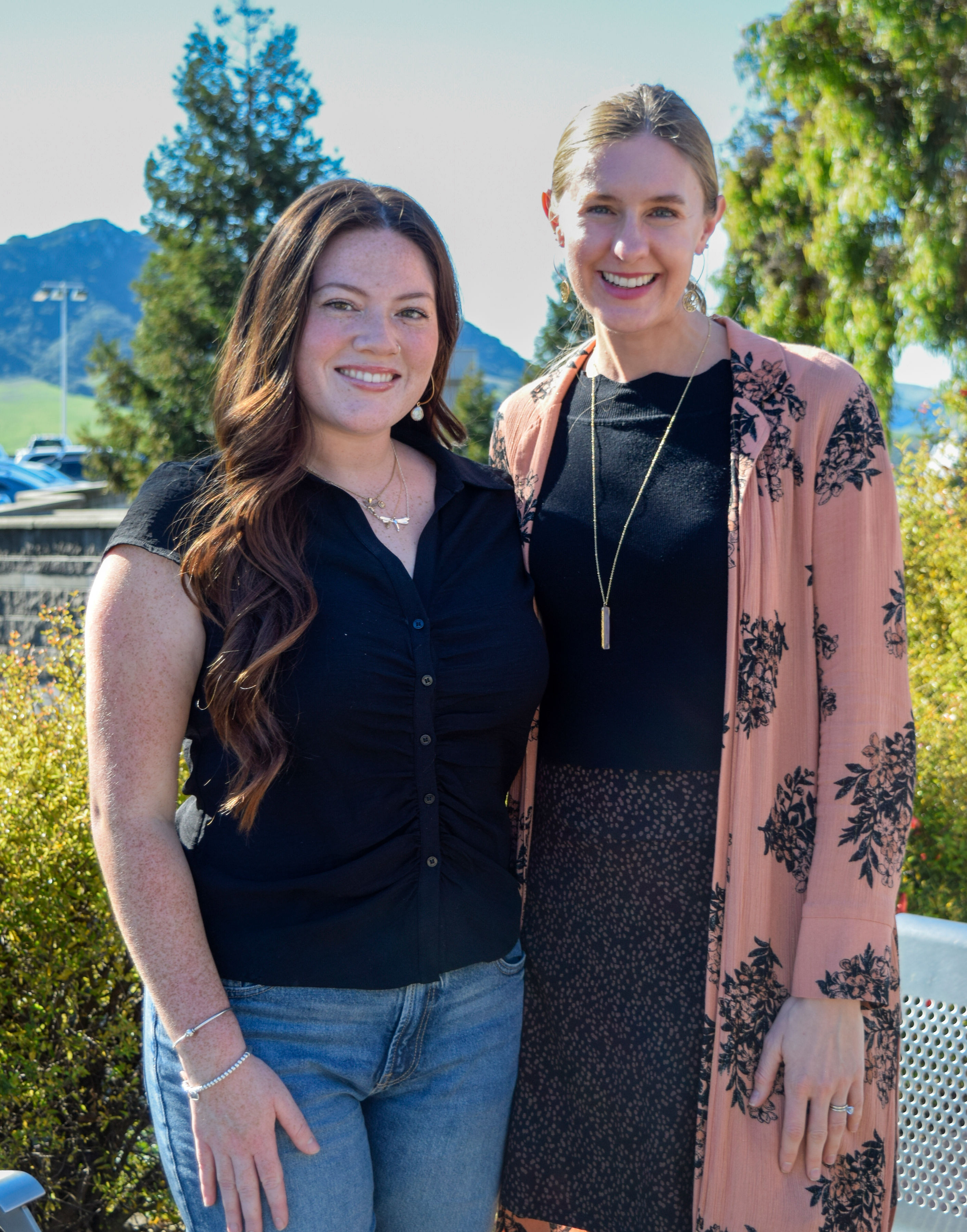
Hybrid Genres of Non-Parenthood: Technical, Expressive, and Activist Texts for Reproductive Justice | Savannah Aguiar with Krista Speicher Sarraf
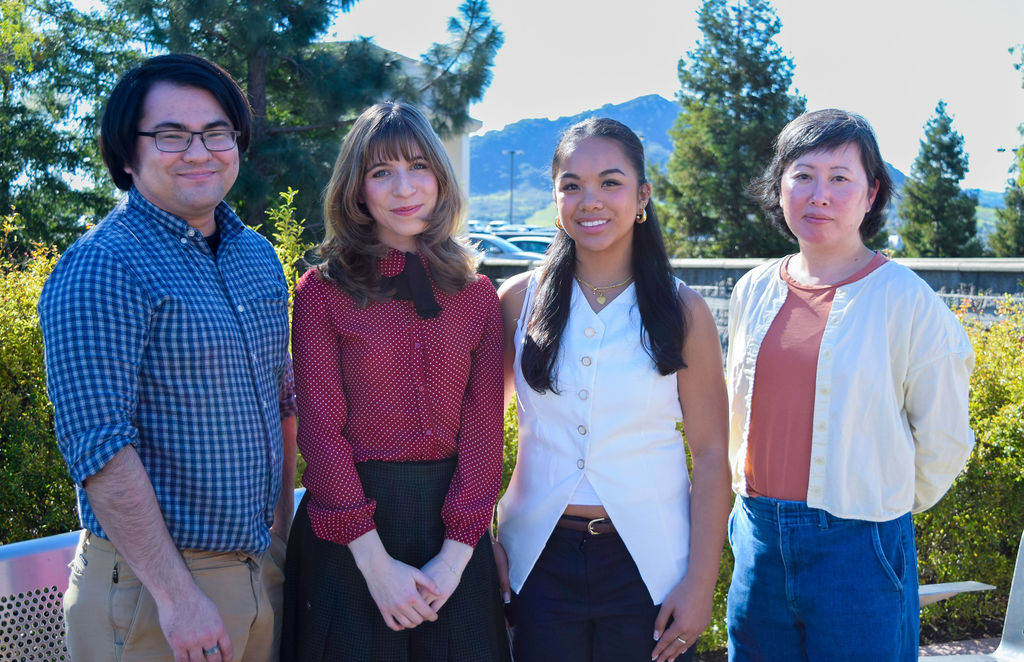
Limits of Classification: Rethinking How Knowledge is Organized | Mylina Megino and Kennedy Ray with Kyle Tanaka and Jayme Yen | Crosslisted under Robert E. Kennedy Library
Centering Staff and Faculty Voices: Focus Groups on Mental Health and Wellness Among Black, Latine/x, and AfroLatine/x Students | Keylani Ascencio, Sariah Francis, and Areliz Rosas Espinoza with Leah Thomas and Susana A. López
Incarcerated Soul(s): Music, Performance, and Resistance in Twentieth and Twenty-First Century Carceral Spaces | Jessica D. Zaninovich with Madison Mae William
A Debate for the Future of the Natural World | Ava Jimmerson and Hunter Larson with John Patrick and Victoria Zamora
Smarter Sales and Operations Planning in the Craft Brewing Industry | Saanika Medishetty and Helene Johnson with Dr. Jill Speece and Dr. Mohamed Awwad
Bailey College of Science and Mathematics (BCSM)
Analysis of Expression of an mRNA Stability Regulatory Protein, Tristetraprolin (TTP), in Mouse Macrophages | Abraham Zamora with Sandi Clement
Electrochemical Detection of Mood-Related Neurotransmitters: Dopamine Signatures on Modified Electrodes | Claire Kuhlmann with Dr. Haitham Kalil
The Effects of Mating Harassment in Girardinus Metallicus Fish: Do Males Keep Females from Feeding? | Pamela Deshayes with Gita R. Kolluru
Trends in Pesticide Use in San Luis Obispo County from 2013–2023 | Hermelinda Lopez with Dr. Erika Meza
The Effects of Glyphosate on Short-Term Memory and Activity in Iberian Swine Model of Metabolic Dysfunction-Associated Steatotic Liver Disease | Fernanda Sebastian with Dr. Magdalena Maj
Guided by Movement: Indoor and Outdoor Exercise Experiences for Adults with Visual Impairments | Ellie A. Atashkarian with Dr. O'Hara
Beyond English Only: Raising Bilingual Children During Prop 227 | Jennifer Torres Arceo with Olivia Obeso
Impact of a Bilingual Science Education Program on Elementary Students: Views from Teachers and Parents | Jessica Garcia-Tapia and Citlali Luna with Dr. Perla Ramos Carranza
Incidence and Associated Risk Factors of Acute Kidney Injury in Agricultural Laborers on the Central Coast | Antonio M. Bailon and Jazmin Garcia Lopez with Dr. Adam Seal
Sleep and Eating: The Effects of Sleep on Anxiety and Dietary Temptation | Tony Gonzalez with Selene Tobin
Association Between Food Insecurity on Maternal Feeding Practices | Yaneli Alissa Alcantar with Dr. Alison Ventura
Associations Between Duration of Paid Leave and Infant Self-Regulation Skills at 6 Months | Tri-An Pham with Dr. Alison Ventura
Probing the Surroundings of a Supermassive Black Hole | Noemi Corona Calvario with Lizvette Villafaña
Trends in Particulate Matter (PM2.5) Levels from 2017 to 2023 Across California Counties | Vanessa Puentes with Dr. Erika Meza
Sleep & Eating: The Effects of Sleep on Confidence in Weight Loss Goals and Dietary Lapse | Hannah Miller with Selene Tobin
Exploring the Feasibility of Incorporating Generative AI into Campus Health Messaging | Bowie Cowan with Katharine Jenna Santilena
Robert E. Kennedy Library
Exploring Global Perspectives on User Experience: A Case Study of User Experience Practices Across Cultures and Academic Libraries | Caitlyn Chailitilerd with Danielle Daugherty
Supporting Neurodivergent Student Success in the Kennedy Library: Experiences, Barriers, & Recommendations for Improvement | Anagha Kulkarni with Mercedes Rutherford-Patten
Limits of Classification: Rethinking How Knowledge is Organized | Mylina Megino and Kennedy Ray with Kyle Tanaka and Jayme Yen | Crosslisted under College of Liberal Arts
College of Agriculture, Food and Environmental Sciences (CAFES)
|
Metabolomic Analysis of Fertility Traits in Transitioning Dairy Cows |
|
|
|
Kaileen Grace (she/her/hers) BEACoN Mentee Animal Science, Minor in Spanish Dr. Mohammed Abo-Ismail (he/him/his) BEACoN Mentor Animal Science |
|
Abstract Female fertility is essential for dairy cattle herd productivity and profitability, with poor fertility costing the global dairy industry an estimated $65 billion annually. The goal of this study was to identify differentially abundant metabolites, biological processes, and biomarkers associated with fertility traits in Jersey and Holstein cattle during the transition period. Seventy cows were classified into high-, medium-, or low-fertility groups based on the average ± one standard deviation for two fertility traits: times bred (number of artificial insemination [AI] services required for conception) and days open (number of days from calving to subsequent conception). For times bred, the high-fertility was categorized as one AI service (n=27), medium-fertility as two to four AI services (n=34), and low-fertility as greater than five AI services (n=9). For days open, high-fertility was designatedas ≤ 76 days (n=13), medium-fertility as 77 - 158 days (n=37), and low-fertility as ≥ 159 days (n=20). Throughout the duration of the study, cows were housed in the same pen and under identical management practices including health checks, diet, and Double-Ovsynch breeding synchronization protocol. Blood samples were collected at weeks 1, 2, 3, and 4 postpartum and then centrifuged to obtain serum. A total of 271 samples were sent to the Carver Metabolomics Core, University of Illinois Urbana-Champaign for metabolomic profiling using liquid chromatography-mass spectrometry (LC-MS) as an untargeted approach for metabolite detection. Quality control for the LC-MS analysis included calibration and equilibration of the instruments, sequence randomization, and utilization of control samples. A total of 133 metabolites passed quality control. Metabolomic profiles were analyzed using a mixed linear model implemented in PROC MIXED in SAS. The statistical model included fertility group, breed, health status, and age at the sampling point as fixed effects. The biological pathway, network, and enrichment analyses were performed using MetaboAnalyst. In total, 20 metabolites were significantly associated with days open and 37 metabolites with times bred across various postpartum time points (P <; 0.05). Enrichment and pathway analysis revealed several key biological pathways, including propanoate metabolism, pyrimidine metabolism, and beta-alanine metabolism. These results reveal promising biomarkers that could improve reproductive management and selection strategies, while also offering new insights into the molecular mechanisms that modulate fertility. Overall, this research detected metabolic signatures that may serve as early predictors of female fertility, supporting improved herd management and long-term sustainability in dairy production. Kaileen's Testimony Conducting research with the BEACoN program has been extremely valuable in developing my skills as a student, scientist, and hopefully a future veterinarian. Through my ongoing project, I have gained hands-on experience with data analysis, metabolomics, dairy cattle fertility, and scientific communication. Working with Dr. Abo-Ismail has strengthened my confidence in research by allowing me to ask questions, troubleshoot challenges, write scientifically, and take ownership of my work. This experience has helped me better understand how research can directly contribute to improving animal health, production efficiency, and decision-making, especially in the dairy industry. |
|
|
Navigating Just Transitions: Indigenous Environmental Justice Across California Renewable Energy Projects |
|
|
|
Adam June Bloom (he/him/his) BEACoN Mentee Environmental Management and Protection with a concentration in Conservation Science and Management, Minor in Biology Dr. Yu Cao (she/her/hers) BEACoN Mentor Natural Resources Management & Environmental Sciences |
|
Abstract Renewable energy projects are rapidly expanding to address climate change and Indigenous communities are increasingly at the forefront of environmental justice conflicts tied to the renewable energy transitions. Disputes over lands, resources, and rights highlight the need for an equitable approach to sustainable energy development. This research uses a mixed-method approach to investigate renewable energy conflicts involving Indigenous communities in the U.S. Our research questions is: What factors impact renewable energy transitions involving Indigenous populations in California and how do various factors impact conflict outcomes? Through a comparative case study, we explore in-depth, the reasons for environmental injustice and the role of Indigenous sovereignty in each case. Adam's Testimony Through BEACoN, I have not only had the opportunity to pursue undergraduate research, but have also been able to dive deeper into my passion for Indigenous environmental justice and to work on a project that truly matters to me. I have had the privilege of learning from Dr. Cao during this project and have gained so much more than research skills from my time working under her. Her knowledge about Indigenous justice has been transformative to me and learning about her career has helped me to better understand the future that I would like to create for myself. |
|
|
Robotic End Effector Prototype for Table Grape Harvesting Applications |
|
|
|
Jacob A. Reyes BEACoN Mentee BioResource and Agricultural Engineering (BRAE) Dr. Bo Liu BEACoN Mentor BioResource and Agricultural Engineering |
|
Abstract With the rising demand for mechanized grape harvesting solutions, this project presents the development of a dual-purpose robotic end effector designed for table grape harvesting. The prototype integrates gripping and cutting mechanisms into a single system intended for mounting on an AI-driven robotic arm. The design focuses on improving harvesting efficiency by enabling precise grape cluster detection, secure handling, and accurate stem cutting while minimizing damage to fruit and vines. Special consideration is given to compensating for positional inaccuracies from the vision system during harvesting operations. The proposed end effector aims to support autonomous vineyard harvesting workflows while reducing labor demands, operational costs, and harvest losses. Jacob's Testimony Working with BEACoN has been an honorable and rewarding experience, allowing me to further pursue my interest in creating innovative agricultural harvesting solutions. Through this research opportunity, I have strengthened both my technical and professional skills while gaining valuable experience in a collaborative engineering environment. The program's emphasis on communication, mentorship, and industry connections has greatly expanded my opportunities in research and career growth, providing a strong foundation for any of my future work success in agricultural automation and robotic systems. |
|
|
Splash of Natural Colors: Algae Pigments for Food Applications |
|
|
|
Taya Schmidt (she/her/hers) BEACoN Mentee Food Science Dr. Ramírez-Rodrigues (she/her/hers) BEACoN Mentor Food Science and Nutrition |
|
Abstract Pigments from Spirulina, Red Spirulina, Chlorella, Red Algae, and Dulse were extracted to be evaluated for absorbance and solubility. Characterization of the algae powders was performed using colorimetric and microscopic analyses. Chlorella was the most saturated with the highest chroma value, and Spirulina the least. The 1:40 (algae:water) and 20:80 (water:ethanol) mixtures had the highest absorbance for all algae. For distilled water extracts, Red Spirulina had the lowest average insolubility index, and Dulse had the lowest in ethanol extracts. Sonication was later applied prior to concentration by a rotavapor, for the application of dying gummy bears. Taya's Testimony I am incredibly grateful for BEACoN and the opportunity to participate in such a supportive and rewarding undergraduate research environment. Through this experience, I have gained valuable skills to be applied in my desired field, both inside and outside the lab. I have further solidified my interest in research and development and am confident that my exposure to navigating trial and error will benefit me in industry. I couldn't be more thankful for the guidance and unwavering support provided by my mentor, Dr. Ramírez, who has opened doors for future research opportunities. |
|
|
Soil Carbon Dynamics in Utility-Scale Solar on Fallowed Farmland |
|
|
|
Andrea Hernandez (she/her/hers) BEACoN Mentee Environmental Management and Protection, Minor in Political Science Dr. Seeta Sistla (she/her/hers) BEACoN Mentor Natural Resources Management & Environmental Sciences |
|
Abstract As energy demands continue to soar, utility-scale solar energy (USSE) has expanded across the globe. The ecological impacts from land use changes relating to carbon sequestration remains uncertain along with other ecosystem services that may be affected. This project investigated two local solar farms along the CA Central Coast measuring soil carbon pools across the under, alley and outer portions of solar farms. By analyzing differences across patchy habitats, we aim to determine whether solar development can be ecologically beneficial to soil systems. Andrea's Testimony Working with Dr. Sistla and graduate student Gracie Harada has been a truly rewarding and inspiring experience. Although I had previous research experience, this opportunity stood out because it allowed me to engage directly in fieldwork while gaining valuable insight into graduate-level research and academic life. I'm incredibly grateful to have contributed to research in an emerging area of the energy sector and to explore the broader environmental implications of this work. Beyond strengthening my resume, this experience has given me meaningful skills, perspectives, and conversations that I feel confident bringing into future career opportunities. |
|
College of Architecture and Environmental Design (CAED)
|
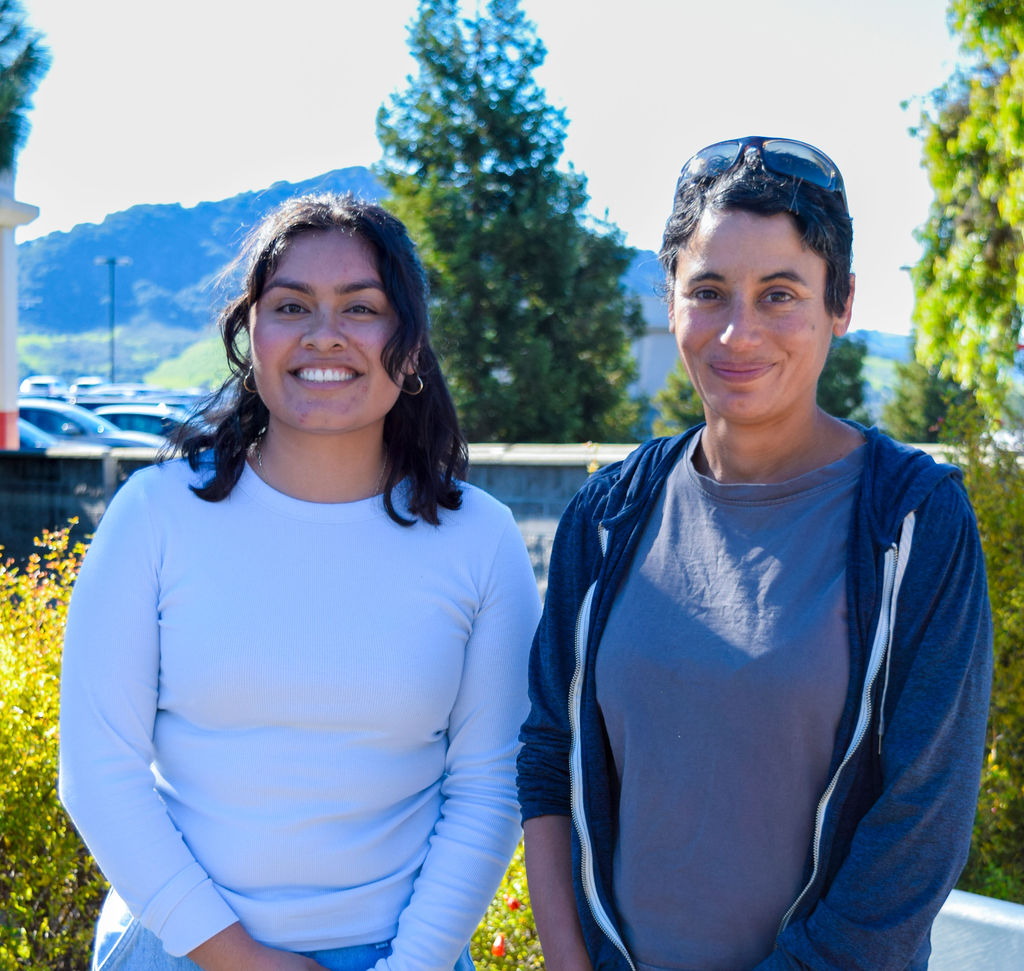
Prototyping a Waste Management System in Tanzania, Africa |
|
|
|
Nika Zamani BEACoN Mentee Computer Engineering Alister Clark BEACoN Mentee Interdisciplinary Studies Professor Thomas Fowler IV (he/him/his) BEACoN Mentor Architecture David Kempken (he/him/his) BEACoN Mentor CAED Shop Manager and Instructor |
|
Abstract There is a lack of formal waste collection systems in rural towns of developing countries that pose environmental and public health challenges 1 (Wilson & Velis, 2015). While major cities in developing countries sometimes have forms of waste management, significant gaps in formal waste collection systems persist. Tanzania's Solid Waste Management Dilemma 2 (Abel, 2024) identifies significant concerns for Tanzania's waste disposal. These unhealthy disposal methods include open-air burning of trash (typically done along roadsides) and dumping into open spaces or into naturally occurring swales formed by annual torrential rains and flowing through the Pangani River into the Indian Ocean. Nika's Testimony The Beacon program has provided me with valuable guidance and hands-on experience in conducting research centered on impact-driven ideas. Through this experience, I've been able to deepen my understanding of how thoughtful research can contribute to meaningful change. I am especially grateful for the confidence my Beacon mentor placed in me throughout this process, as well as the autonomy I was given to explore my ideas and take ownership of the project from start to finish. Alister's Testimony As a Beacon research scholar, I have been kindly welcomed into a community and space where I can engage with and learn more about my identity and my academic interests and curiosities. Through our project's emphasis, I was able to utilize many different applications of work to explore and dissect our topic. The process enabled me to engage in deep meaningful research, apply welding and fabrication skills, create GIS maps, all exercising radical change for a community in need. This was all made possible by the Beacon community and my interdisciplinary team of mentors and collaborators. |
|

|
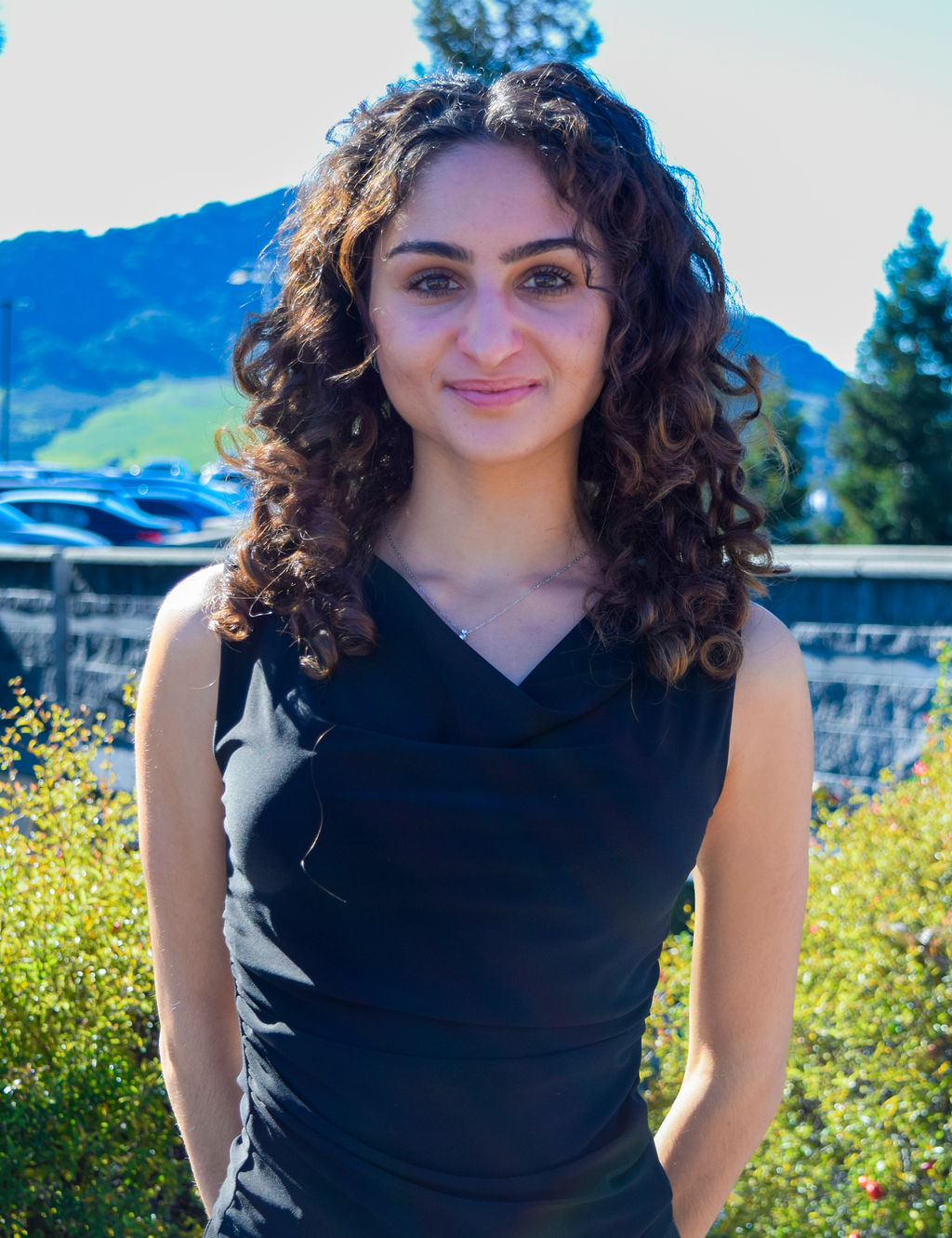
Academic Norms and Intergenerational Impact for First-Generation Students |
|
|
|
Kimberly Maria Santana (she/her/hers) BEACoN Mentee Business Administration, Concentration in Information Systems, Minors in Spanish and Ethnic Studies Jason Michael Miller (he/him/his) BEACoN Mentor Construction Management |
|
Abstract This study examines how first-generation college students interpret academic and professional expectations during their transition into higher education. Using a quantitative cross-sectional survey of 150 undergraduate students at CalPoly SLO, the study explored students' understanding of college expectations, professional norms, mentorship, home environment preparation, and intergenerational impact. Findings showed that many students perceived significant differences between high school and college expectations and often relied on self-navigation to understand academic and professional norms, highlighting the need for stronger mentoring and support systems. Additionally, many participants believed their educational attainment would positively influence future generations within their families. Kimberly's Testimony Being part of BEACoN has been a transformative experience. I have grown academically and personally while gaining confidence in advocating for myself. I gained hands-on experience in research, from reviewing literature sources to analyzing quantitative results, while strengthening my time management and professional skills. Throughout this experience, I received valuable guidance, career advice, and support from my mentor and friendships I built along the way. This experience also gave me a deeper insight into the challenges first-generation and underrepresented students face in higher education and has encouraged me to continue promoting the importance of higher education within underrepresented communities. |
|
College of Engineering (CENG)
|
Handling Uncertainty in Robotic Assembly: A Confidence-Aware Human-in-the-Loop Vision System with Digital Twin Integration |
|
|
|
Noah Barlahan (he/him) BEACoN Mentee Mechanical Engineering Aditya Chivate (he/him/his) BEACoN Mentor Industrial and Manufacturing Engineering |
|
Abstract Traditional automated manufacturing and assembly systems improve efficiency and reduce human exposure to hazardous tasks, but rely on rigid thresholds and static models that struggle to adapt to variability. This research proposes a generalizable framework integrating vision-based object detection, human-in-the-loop learning, and a digital twin robotic cell. A confidence-aware decision model routes uncertain classifications to a human operator, whose feedback is incorporated to refine system performance. By unifying perception, human judgment, and robotic execution, the approach enhances safety, improves decision quality, enables continuous learning, and increases resilience in dynamic manufacturing environments. Noah's Testimony Within days of joining BEACoN, I was already working hands-on with industrial automation robots and gaining real experience in mechatronics. I'm incredibly grateful for the mentorship of Dr. Chivate, who focused not on my prior experience, but on my passion and willingness to learn. The one-on-one guidance made a huge difference and accelerated my growth in ways I didn't expect. I had the opportunity to work through real challenges, which built both my skills and confidence. This experience has given me a much clearer understanding of the field and prepared me to apply what I've learned in real industrial settings. |
|
|
Coordinating Robot-to-Robot Task Handoffs for Heterogeneous Robot Teams |
|
|
|
Christopher Tumbokon (he/him) BEACoN Mentee Computer Engineering Caitlin Osorio (she/her) BEACoN Mentee Computer Engineering Carlos Diaz Alvarenga (he/him/his) BEACoN Mentor Computer Engineering Sachiko Matsumoto (she/her/hers) BEACoN Mentor Computer Engineering |
|
Abstract Many real-world tasks require robots with different abilities to work together, such as one robot transporting an object while another manipulates it. This project develops a physical robot testbed using a TurtleBot4 mobile robot and Hello Robot Stretch 3 mobile manipulator to study task handoffs in heterogeneous robot teams. Our work combines ROS 2 navigation, Nav2 mapping, ArUco tag detection, and Stretch manipulation routines so the TurtleBot can deliver an object and the Stretch can detect, grasp, and lift it. This work supports safer and adaptable robot coordination in healthcare, manufacturing, search and rescue, potentially hazardous tasks, and assistive environments. Christopher's Testimony My BEACoN research experience has helped me develop practical robotics and software engineering skills through hands-on work with TurtleBot4 robots, ROS 2, and Nav2. Throughout the project, I gained experience debugging robot communication, localization, navigation, and autonomous system behavior in real-world environments. The experience strengthened my problem-solving abilities and gave me valuable exposure to robotics and system-level debugging. I am especially grateful to Professors Carlos Alvarenga and Sachiko Matsumoto for their guidance, support, and mentorship throughout the project and research process. Caitlin's Testimony My BEACoN research has been incredibly meaningful because it has allowed me to grow both as an engineer and researcher. Working with my Professors Carlos and Sachiko has been a great experience, and their support has helped me build confidence in my technical abilities such as problem-solving skills and future career goals. The hands-on experience I gained throughout this project has been endlessly beneficial toward my engineering career, especially in robotics, testing, and software development. I am also grateful to contribute to research that uses innovation to improve how robots collaborate and support real-word tasks. |
|
|
Gesture-Controlled Robotics Through Virtual Reality Interfaces |
|
|
|
Millie Estrella Lombera (she/her/hers) BEACoN Mentee Computer Science Javier Gonzalez Sanchez (he/him/his) BEACoN Mentor Computer Science and Software Engineering Rafael Antonio Guerra Silva BEACoN Mentor Industrial Technology and Packaging |
|
Abstract Explored human-robot interactions using a Meta Quest VR headset and hand tracking technology to control a robot first in a simulator and then in person. Focusing on the robot system and its connection to the VR headset, helping develop and test communication between hand gestures and robot commands. Improving system responsiveness and troubleshooting many connectivity issues. Through this project with Dr. Javier, I've gained more hands-on exposure to robotics, VR interfaces, and collaborative software development. All while contributing to research focused on improving intuitive communication and interaction between humans and robots. Millie's Testimony BEACoN has given me hands-on experience with robotics and virtual reality systems in a collaborative environment. Primarily working on connecting the Meta Quest VR headset to the robot and ensuring that hand gestures could be accurately interpreted as valid robot inputs. Through testing and troubleshooting, I've learned lots about robot communication and software integration. Gained experience working as a part of a research team, going to meetings, giving detailed documentation, and contributing to a growing project that will continue to be expanded upon by future students. All strengthening my technical skills and interest in robotics and human–computer interaction. |
|
|
Rush Hour Delivery! Designing Robotics Labs for Latine/x Students in EPIC |
|
|
|
Andrea Bautista Rocha (she/her) BEACoN Mentee Mechanical Engineering Hao Lam (he/him) BEACoN Mentee Mechanical Engineering Nicole Johnson-Glauch (she/her/hers) BEACoN Mentor General Engineering |
|
Abstract Students in the Engineering Possibilities in College (EPIC) program were surveyed, revealing that Latine/x students were slightly overrepresented and demonstrated sustained or increased interest in engineering. With interest already present, outreach efforts should shift toward fostering a strong sense of belonging and engineering identity, which are key factors in students' career choices, according to Social Cognitive Career Theory. Increasing Latine/x representation in engineering is essential to bringing diverse perspectives that drive innovation. In response, we developed a robotics delivery lab centered on real-world, community-focused problem solving and entrepreneurship, aiming to enhance engagement and support long-term persistence in engineering among middle and high school Latine/x students. The lab requires students to design, build, and program their own delivery robot using a variety of 3D printed delivery systems and an Arduino Alvik. A competition will take place at the end of the week to determine which group can carry out the most food-based deliveries, following a community-centered storyline. Andrea's Testimony Being a part of BEACoNs has been an amazing experience. I've had the chance to apply my background and technical skills, while learning more about data analysis, robotics, and what it takes to make an effective lab through Cal Poly's learn-by-doing structure. The community is also super supportive of all researchers through resources, workshops, and a welcoming attitude. I learned that it's okay to not have all the answers and seeking help is part of the learning process. I'm grateful to have been part of a project that emphasized the importance of positive impact on future generations within engineering. Hao's Testimony Being a part of BEACoNs has been an incredibly meaningful experience. Through this program, I have been able to apply my technical background while growing as a researcher, learner, and future engineer. Working on a project focused on designing a culturally relevant robotics lab for Hispanic students allowed me to see how engineering can be connected to community, identity, and real-world impact. The community within BEACoNs has also been one of the most rewarding parts of the experience. The support from mentors, workshops, and other researchers helped me understand that research is a process, and that asking questions, making mistakes, and seeking help are all important parts of growth. I am grateful to have been part of a project that focuses on making engineering more accessible, meaningful, and impactful for future generations. |
|
|
Development of Wearable Sensing Systems for Lower-Limb Amputees |
|
|
|
Alexis Carrera (he/him) BEACoN Mentee Aerospace Engineering Dr. Long Wang (he/him/his) BEACoN Mentor Civil and Environmental Engineering |
|
Abstract This research focused on the research group developing a modular sensing system that collects data from multiple sensors and aims to provide real time adjustments and improved prosthetic fit. Through a pilot test, motion patterns and gait deviations were analyzed throughout the gait cycle, and the interpreted data was compared with existing literature. In addition, contributions were made toward upgraded hardware development to address synchronization issues across the system through an improved PCB integrating microcontrollers, IMUs, and Bluetooth communication modules. This experience provided interdisciplinary exposure to biomechanics and wearable sensor technology. Alexis's Testimony Participating in this program and conducting research under Dr. Wang has provided valuable hands on experience in interdisciplinary engineering research. It has helped me develop skills in literature review, gait analysis, operating new sensors, and noise reduction methods. Furthermore, exposure to hardware development through PCB assembly and SMD soldering strengthened my practical skills in electronics prototyping and sensor integration, which I will continue to apply in future academic and engineering projects. Overall, this experience has deepened my understanding of biomechanics, strengthened my collaboration skills, and reinforced my interest in developing engineering solutions that improve quality of life. |
|
|
Equitable Design of Service Networks Under Natural Disasters |
|
|
|
Nicholas Voyagis (he/him/his) BEACoN Mentee Mathematics, Minor in Computer Science Dr. Zhiyuan Wei (he/him/his) BEACoN Mentor Industrial and Manufacturing Engineering |
|
Abstract Natural disasters often affect communities at varying levels. As a response, this research project presents a two-stage optimization model that integrates human mobility data to support equitable decision-making during such emergencies. As a case study, the travel patterns of residents of Houston, Texas are analyzed before, during, and after Winter Storm Uri in February 2021. Through this investigation, the proposed model identifies locations for people to travel to in order to receive assistance. Then, the model assigns Houston's census block groups to different locations while minimizing travel distances and the impacts of potential resource shortages. Nicholas's Testimony I have had a rewarding experience as a BEACoN scholar. Through my research project, I have been able to advance my skillset in coding, mathematical modeling, and visual communication. Additionally, I found collaborating with a professor outside of my department to be valuable as Dr. Wei showed me new perspectives for both conducting and communicating research. Dr. Wei also shared an abundance of professional and academic advice while we worked on our project and his mentorship helped me feel confident in my decision to pursue graduate school. |
|
|
Exploring the Impact of First-Year Study Abroad Experiences as a High Impact Practice Designed to Support Student Success | Crosslisted under College of Liberal Arts |
|
|
|
Leslie Gomez Ruiz (she/her) BEACoN Mentee Psychology with a Minor in Ethnic Studies Jesus Serrano Osuna (he/him) BEACoN Mentee Sociology Dr. Jane Lehr (she/they) Ethnic Studies BEACoN Mentor Justin Kumamoto (he/him) BEACoN Mentor International Center |
|
Abstract This research examines how participation in Cal Poly's pilot First Year Global Opportunities (First Year GO) study abroad program influences students' sense of belonging, academic confidence, and overall college experience. First Year GO allowed first-year students to study abroad in Seville, Spain during the spring quarter of their first year at Cal Poly through immersive academic and intercultural learning experiences. The program encouraged students to explore contemporary global issues, foster community with peers, and develop intercultural communication skills while earning academic credit abroad. Students were supported onsite by CEA CAPA staff experienced in student development, diversity and inclusion, and supporting U.S. college students abroad. In addition to academic coursework, students participated in activities and excursions organized to complement the academic components of the program. The study focuses on the first cohort of approximately 30 students who participated in the program. Using a survey and optional individual interview, this study asks participants to reflect on their experiences before, during, and after First Year GO, exploring themes of academic engagement, social adjustment, belonging, support systems, and similarities and differences across student experiences. This research aims to contribute to a greater understanding of how first-year study abroad experiences may support student development and adjustment in higher education. Leslie's Testimony Participating in the BEACoN Research Mentoring Program allowed me to connect my experiences in community building, writing, and mentoring 1st-year students through research. My own scholarship-supported study abroad experience helped me understand how transformative these opportunities can be, while also showing me how differences in resources, identity, lived experiences, and support systems can shape students' experiences and opportunities. This project gave me the opportunity to explore those questions through research while contributing to conversations about how institutions can better support students. Working alongside my mentors and peers showed me how reflection and writing can be transformed into research that not only helps better understand students' experiences, but also contributes to improving support systems and addressing disparities. It also reinforced my passion for writing and education by showing me that writing can be more than personal expression; it can also be a tool for advocacy, understanding, and meaningful change within higher education. As the child of parents who believe education is the key to opportunity, participating in BEACoN felt like a meaningful continuation of the sacrifices, resilience, and values that continue to shape who I am and the work I hope to continue.
Jesus's Testimony Working on the BEACoN research project has been a meaningful and eye-opening experience. I had the opportunity to explore how study abroad programs, like First Year GO, shape students' sense of belonging, academic confidence, and overall college experience. Through developing survey questions and engaging with student perspectives, I gained a deeper understanding of how identity, support systems, and preparation influence success. This project strengthened my research and critical thinking skills while reinforcing my passion for equity in higher education. Being part of BEACoN allowed me to contribute to work that can improve programs and better support diverse student communities at Cal Poly which make me feel like I am leaving my mark here at Cal Poly. |
|
College of Liberal Arts (CLA)
|
Archiving for Racial Justice: Lace Janine Watkin's Life and Legacy |
||
|
|
Molly Ford BEACoN Mentee History with Minors in Ethnic Studies and Equity in Education Dr. Alexia Arani (they/she) BEACoN Mentor Women's Gender and Queer Studies |
|
|
Abstract This project works to amplify black feminist scholarship of Lace Janine Watkins(1963-2023) through archiving and preparing her for publication. As this work will ultimately result in publication, the work as a student researcher includes in-depth analysis and organization of Watkins' original thoughts, observations and commentaries. Molly's Testimony This research project has been an invaluable experience for me as a budding archivist. I have had so many growth opportunities in understanding what it means to work on a research team, and have been so lucky to get to engage with such brilliant black feminist scholarship throughout the last two quarters. Dr. Arani is such an engaging research leader, and continues to push me to ask more questions about the work I am doing. I highly encourage every student who is interested to apply to be a part of a BEACoN project! |
||
|
Virtual Jigsaw Puzzles for Older Adults: Effects on Loneliness and Cognition |
|
|
|
Delaney Moriarty (she/her/hers) BEACoN Mentee Psychology Sara Bartlett (she/her/hers) BEACoN Mentor Psychology & Child Development; Social Sciences |
|
Abstract This project evaluated a virtual multiplayer jigsaw puzzle program designed to support cognitive engagement and social connection among older adults (N=17). Participants used the puzzle individually or with partners while researchers collected feedback through interviews and questionnaires. Thematic analysis revealed four themes: Emotional Responses, Cognitive Responses, Social Context of Puzzle Engagement, and Virtual Puzzle Usability. Paired-sample t-tests revealed no significant changes in SLUMS or UCLA-20 at post-test. Multiple linear regression analyses indicated percent completed and average pieces completed were significant predictors of greater improvement on SLUMS at post-test. Participants generally valued the cognitive challenge and appreciated the social interaction. Delaney's Testimony Participating in this research project gave me valuable hands-on experience in qualitative research and community outreach. I gained a deeper understanding of how technology, cognition, and social connection intersect in aging populations. Conducting interviews and analyzing participant feedback strengthened both my communication and research skills. Working with my advisor was especially rewarding because she provided consistent guidance while also encouraging independence and collaboration throughout the research process. Overall, this experience helped me better understand the full research process and reinforced my interest in psychological research and community-based work. |
|
|
The Defense Dilemma: Why Defensive Responses to Bias Are Less Important Than Who Is Judging |
|
|
|
Aniyah DuBose (she/her/hers) BEACoN Mentee Political Science with a Concentration in ICS: Socio-Psychology of Crime with a Pre-Law focus & Sociology with a Concentration in Criminal Justice Jennifer Beatty-Wright, PhD (she/her/hers) BEACoN Mentor Psychology and Child Development |
|
Abstract How people respond to feedback about bias may shape whether they are seen as dismissive or engaged. This research examined how targets' response styles influence policy and interpersonal evaluations, and whether these effects are moderated by perceivers' defensiveness in response to bias feedback. Across two studies, participants evaluated targets who described biased behavior and responded defensively or with acknowledgment. Participants rated accountability, interpersonal evaluations, norm violations, and support for bias-reduction policies, while reporting their own defensiveness. Results showed effects of target response style, while participant defensiveness influenced concern and judgments, suggesting perceiver attitudes may shape evaluations than target responses. Aniyah's Testimony My experience was one of the most student-centered and reassuring spaces I have ever worked in. My advisor was incredibly hands-on and amazing throughout the entire process. I was honored to learn from her guidance, mentorship, and insight, and I am truly walking away a much stronger writer, researcher, and student than before. Through this experience, I learned how to break down complex psychological concepts, research methods, and statistical ideas in a way that felt understandable and engaging. I also gained confidence in my academic abilities and research skills. I would highly recommend Dr. Beatty-Wright as a mentor to anyone! |
|
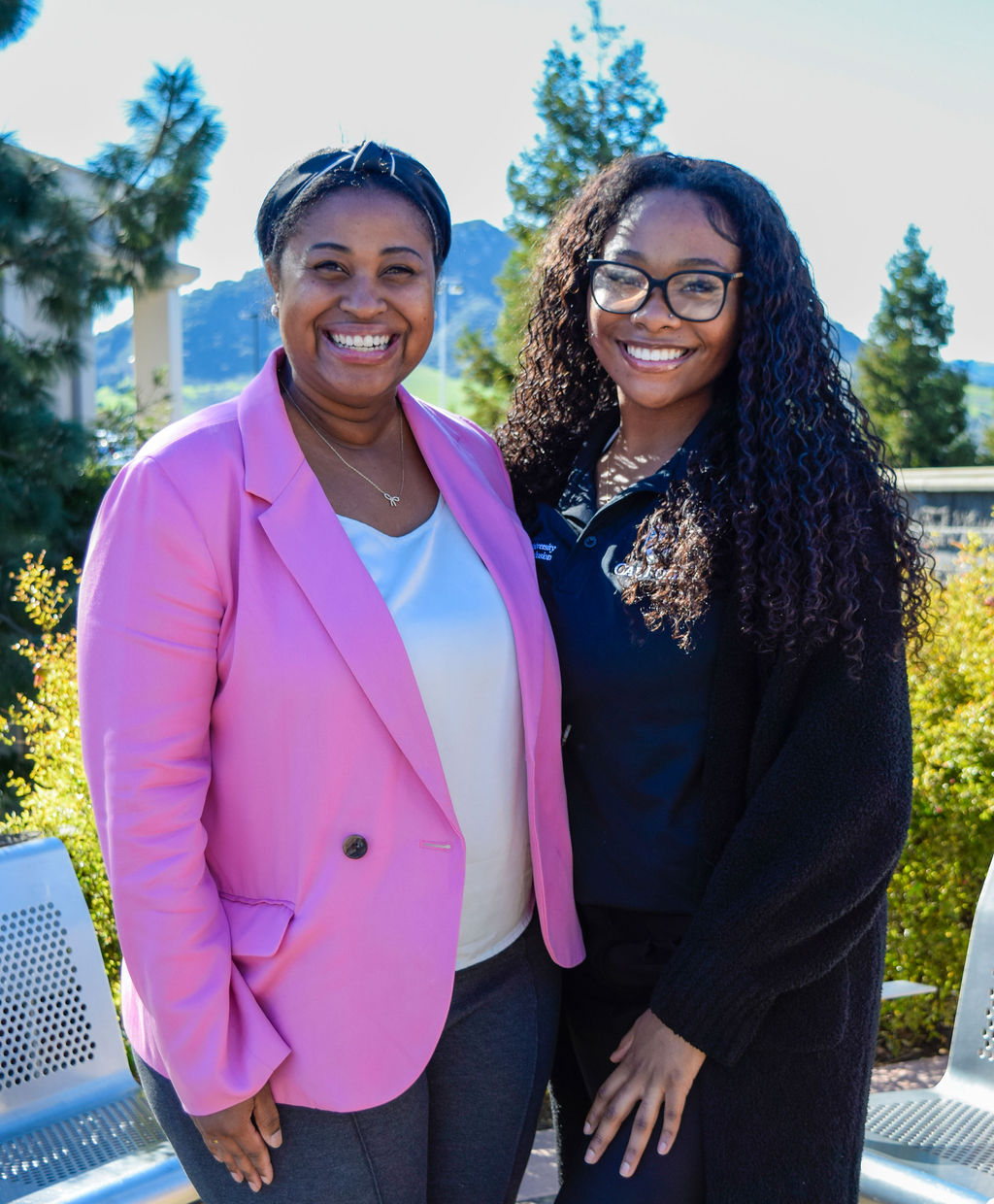
|
Racial Climate Change on Cal Poly's Campus: An Autoethnography |
||
|
|
Maraly Damian (she/her) BEACoN Mentee Political Science with a Concentration in Pre-Law Kyleigh L. Roberts-Spight (she/they) BEACoN Mentee Interdisciplinary Studies concentrating in Global Citizenship and Social Sustainability, Minor in Communication Studies Darrian Carroll (he/him/his) BEACoN Mentor Communication StudiesCommunication Studies |
|
|
Abstract Change comes with growing pains. This study investigates how the racial climate on Cal Poly's campus has changed as the university works to become an HSI and BSI. To provide a textured perspective of the university's shifting landscape the researchers undertook an autoethnographic analysis. By combining the stand points of two students and one tenure-track faculty member at Cal Poly this report provides some insight into the shifting racial climate at Cal Poly. Early conclusions suggest that efforts to create community are happening, expanding, and inspiring while the pangs of inequality continue to persist. Maraly's Testimony During my time with BEACoN I was not only able to grow as a researcher but as a person as well. I was challenged in ways I never have been before and because of that I was able to acquire skills and practices that I will undoubtedly carry with me into my future career. My time with BEACoN also helped give me my spark back and has helped fuel my passion for the world of research. I am so proud of this project and I am beyond grateful for Dr. Carroll's guidance and help every step of the way.
Kyleigh's Testimony Being part of Racial In/visibility on Cal Poly's Changing Campus has been meaningful because it connects my lived experience as a Black woman at Cal Poly SLO to a larger study of race, visibility, and belonging. On this campus, being a student of color often means carrying the tension of being hypervisible in some spaces while still feeling invisible in the ways my experiences, concerns, and perspectives are understood. This project has given me a way to name those contradictions through autoethnography, rhetorical field methods, and close reading. Engaging texts like Invisible Man, Lose Your Mother, Black Shoals, and Faces at the Bottom of the Well would helped me connect my personal experiences to broader histories of Black life, exclusion, resistance, and possibility. I see this project as an opportunity to document what Cal Poly feels like for students like me while imagining a more honest and inclusive campus. |
||
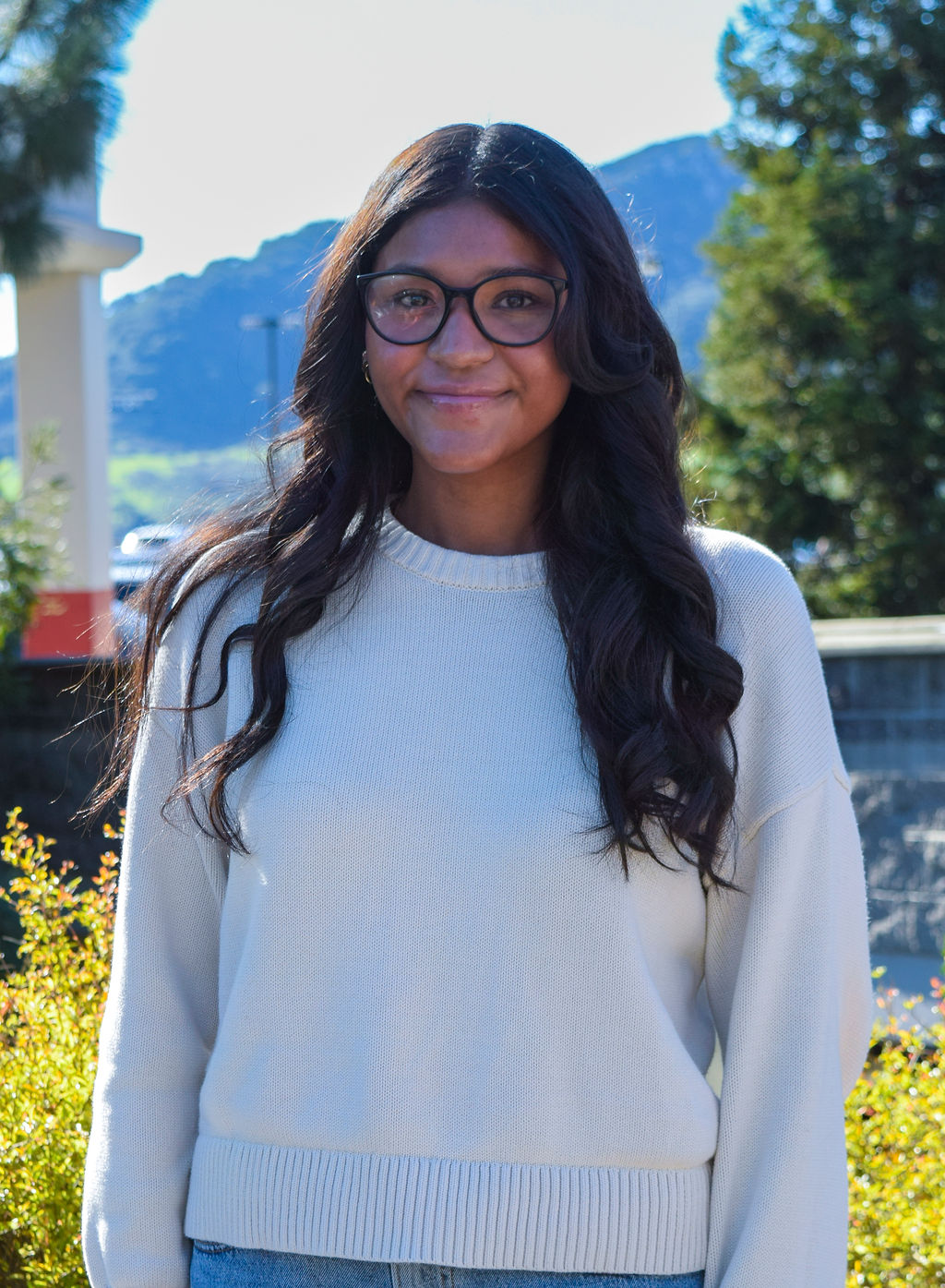
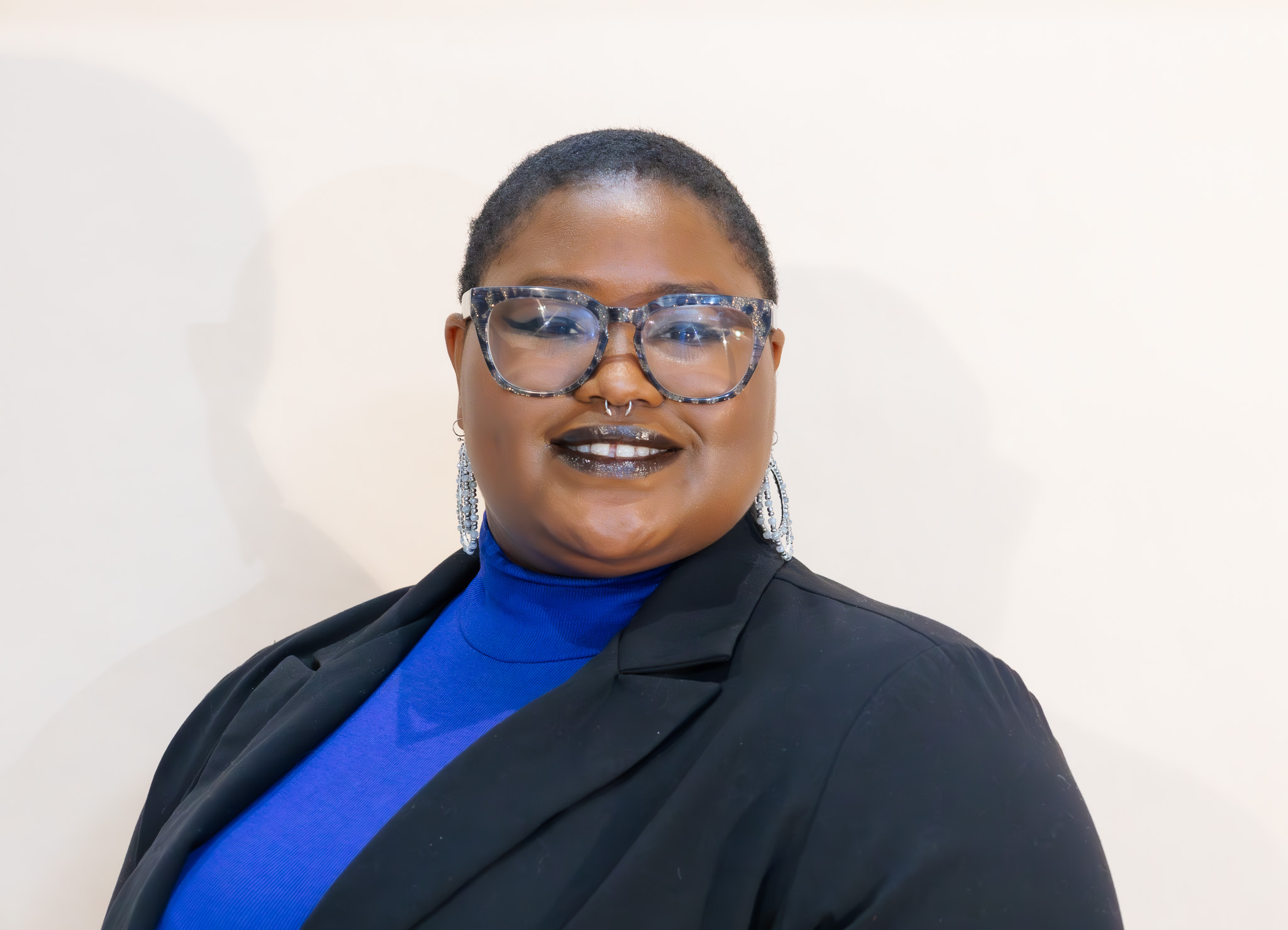
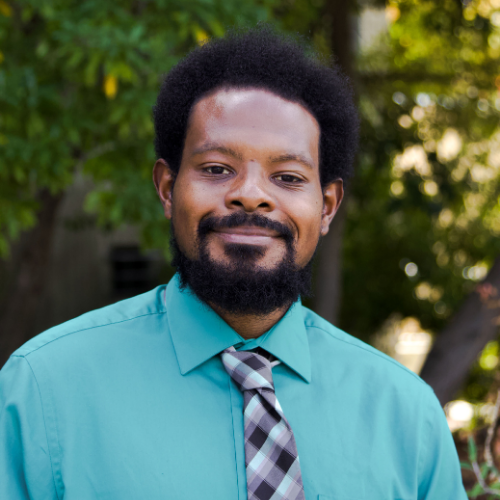
|
Authoritarianism and the Environment |
|||
|
|
Ashley Villanueva (she/her) BEACoN Mentee Political Science Lea Graham (she/her) BEACoN Mentee Environmental Management and Protection and a Minor in Law and Society, Indigenous Studies, and Ethics, Public Policy, Science and Technology Nikhil Deb (he/him/his) BEACoN Mentor Social Sciences |
||
|
Abstract Recent debates on authoritarianism have intensified amid the global rise of populist, illiberal, and authoritarian regimes. This review examines how authoritarian rule shapes environmental governance and how environmental issues become instruments of authoritarian power. We define environmental authoritarianism as governing practices that manage ecological crises, conservation, or development by centralizing decision-making, restricting participation, suppressing dissent, reorganizing access to resources, and legitimizing coercion. Drawing on a systematic review of peer-reviewed studies, the article maps key debates, clarifies related concepts, identifies when environmental issues become sites of authoritarian rule, analyzes major mechanisms, and outlines future research on justice, climate politics, and democracy. Ashley's Testimony Being granted the opportunity to participate in the BEACoN program became a significant part of my first year as an undergrad at Cal Poly. As a student pursuing government, I found support for my field. BEACoN allowed me to create connections and expand my resume in specific areas of government that I have considered working in. I've built a solid foundation in assessing research, integrating diverse sources, analyzing complex arguments, and crafting effective academic arguments. I am grateful for my mentor, Professor Deb, for allowing me to expand my research within political systems, and for working with my co-mentee Lea.
Lea's Testimony My experience in the BEACoN program has been truly transformative. As a student pursuing a career in environmental justice, I scarcely found opportunities for impactful research within my niche. BEACoN provided me with just that. I've gained valuable skills in evaluating scholarly research, synthesizing sources, research analysis, and academic writing. Above all, I've gained a deeper understanding of how political structures in practice influence environmental outcomes, which will serve me greatly in my next steps towards law school. I'm so appreciative to learn from my mentor Professor Deb's expertise and to work with my co-mentee Ashley! |
|||
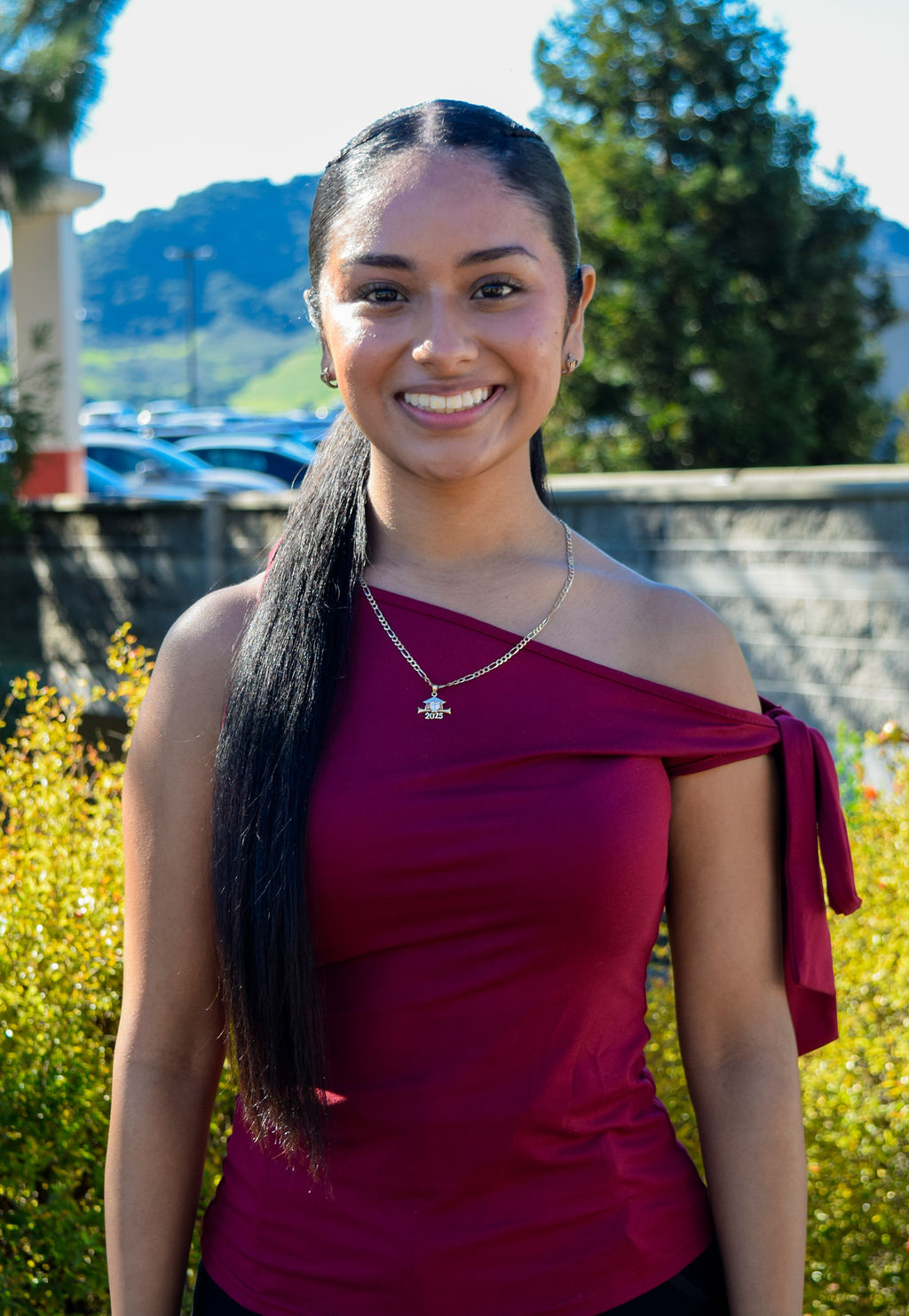
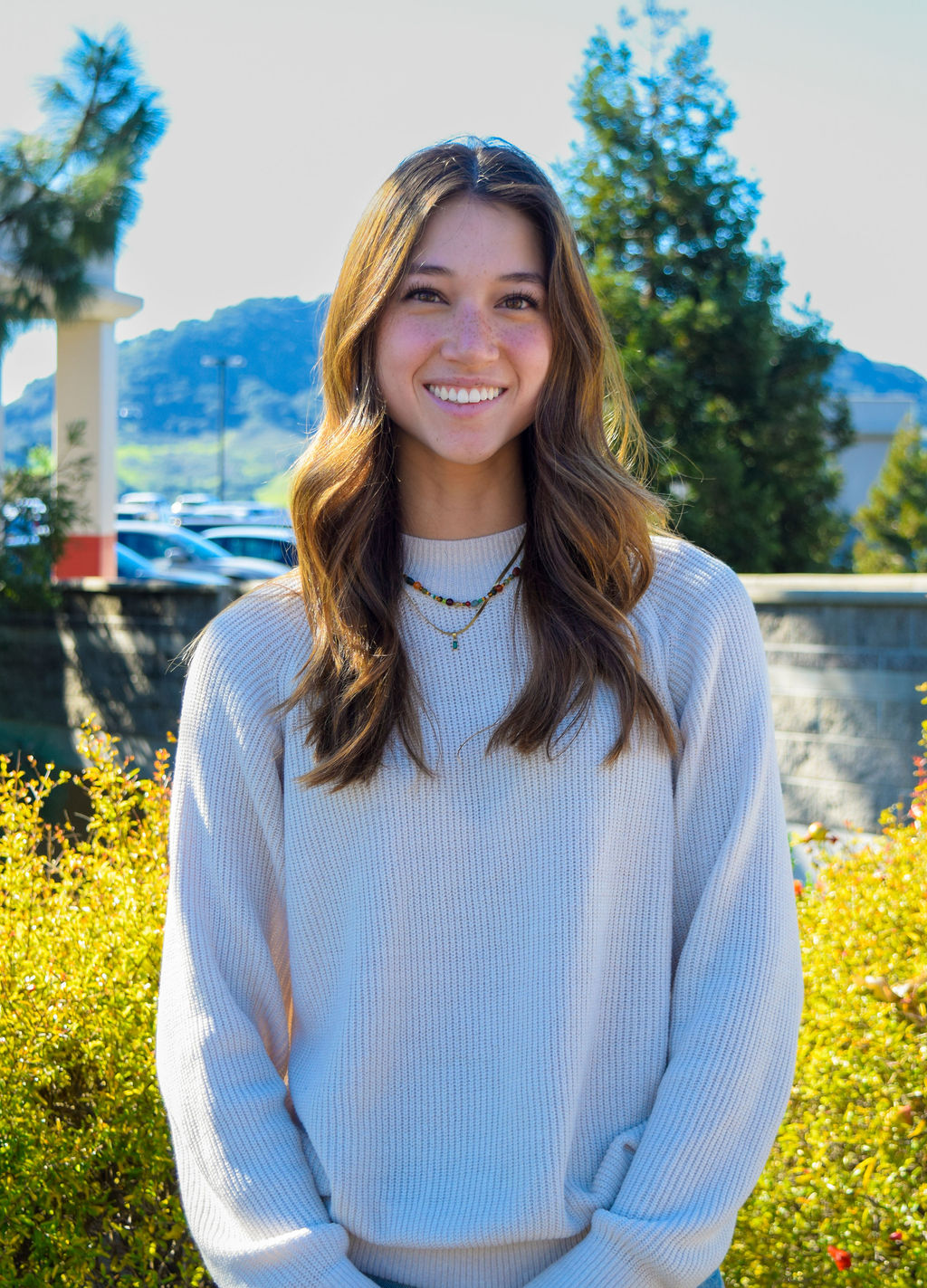
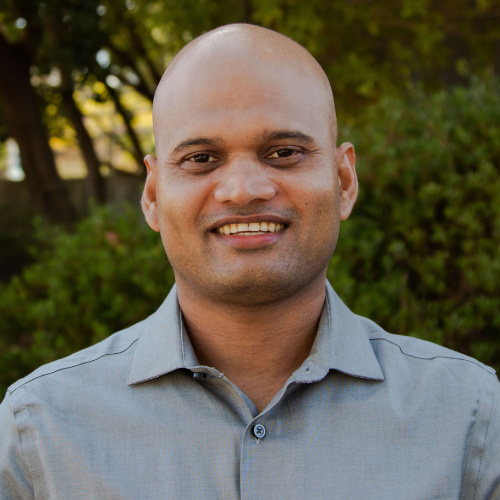
|
STEM Identity and Student Belonging in Research |
|
|
|
Yaneli Ava Cruz (she/her/ella) BEACoN Mentee Software Engineering with a Minor in Ethnic Studies Dr. Ivan Hernandez (he/him/his) BEACoN Mentor Psychology and Child Development |
|
Abstract This study examined whether science-related background-specific strengths beliefs are associated with STEM belonging, perceived competence, and expectancy among college students from racially marginalized backgrounds in STEM. Participants completed survey measures assessing the extent to which they viewed their racial/ethnic background as an asset to STEM. Results showed that stronger background-specific strengths beliefs were positively associated with greater STEM belonging and STEM expectancy. However, there was no statistically significant relationship between strengths beliefs and STEM perceived competence. These findings suggest that perceiving one's background as valuable in STEM may be particularly important for students' sense of belonging and confidence in future STEM success. Yaneli's Testimony As a first-generation Latina student, I'm incredibly grateful for my experience with BEACoN. Although I've participated in research before, this was the first time I truly enjoyed the process and didn't feel constant pressure while doing it. I'm proud of the work we're doing to better understand and hopefully improve the experiences of minority undergraduate students in STEM. I'm also immensely thankful to Dr. Hernandez for choosing me as a researcher for a second year in a row. His unconditional and continuous support has been a true blessing and has shown me what meaningful advisor relationships can look like. |
|
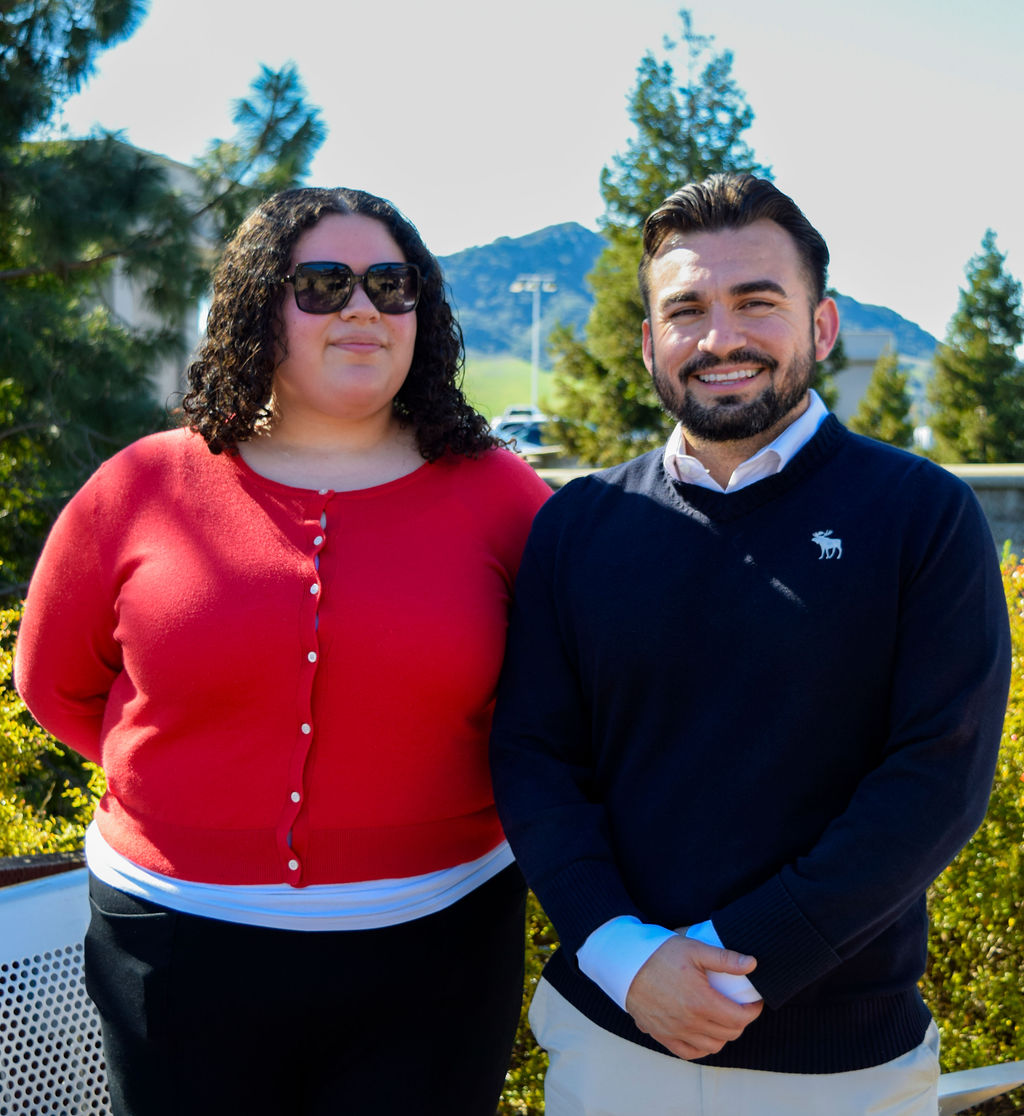
|
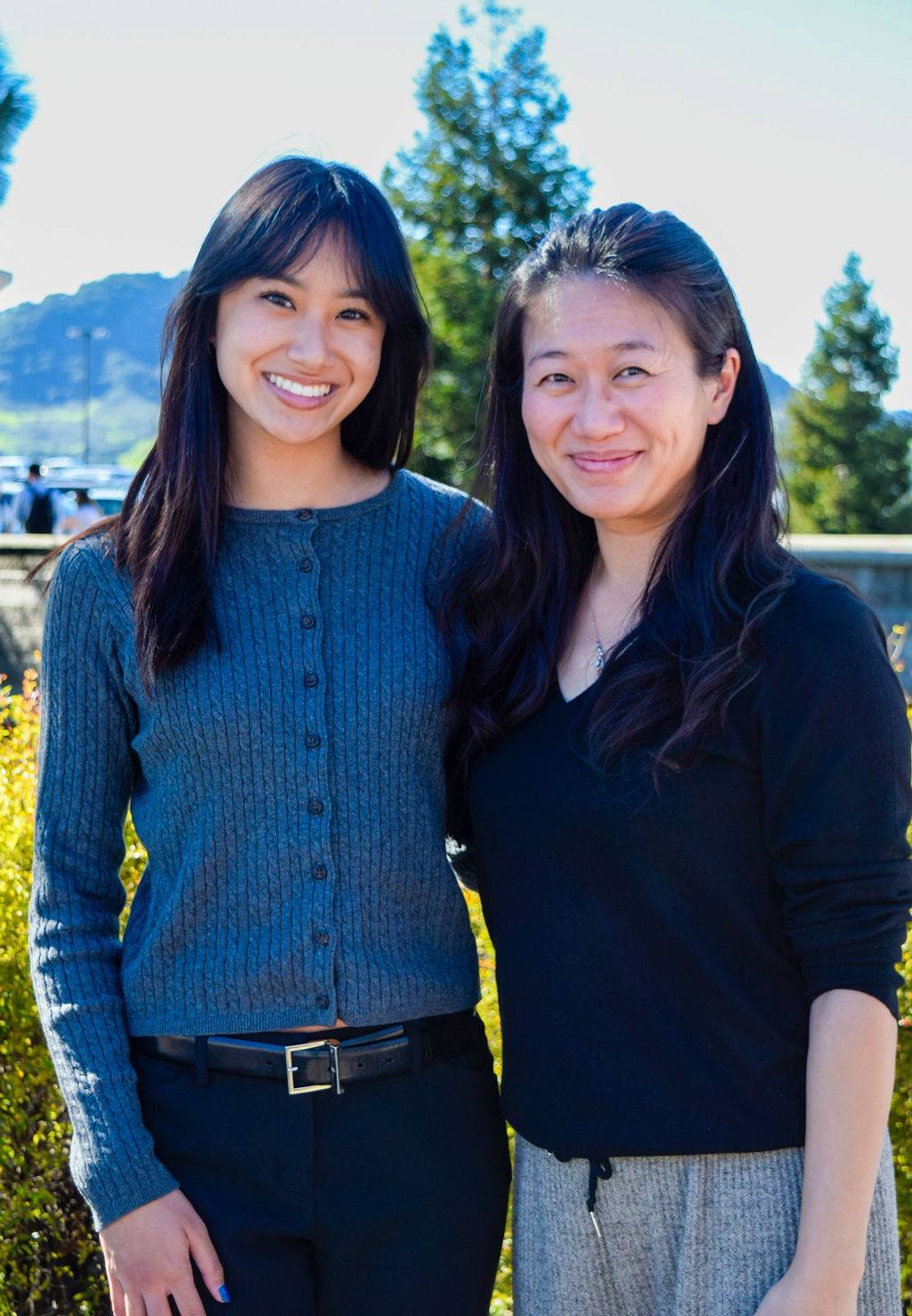
Co-Design AI Prompt Deck |
|
|
|
Katelyn Au (she/her/hers) BEACoN Mentee Graphic Communication Christine Lee (she/her/hers) BEACoN Mentor Graphic Communication |
|
Abstract Students are using artificial intelligence (AI) for studying, writing, and creative projects. Though powerful, these tools are often adopted uncritically, without reflection on limitations or ethical dilemmas they create. Furthermore, this research explores how the Co-Design AI Prompt Deck, a set of cards with prompts and reflections, would encourage students to analyze biases and reasoning that might otherwise remain implicit. Eight student designers participated in 60-minute user interviews where they completed design tasks using AI. Following the research, it was concluded that this solution helps students think critically while using AI, inspires creative confidence, and encourages responsible AI usage. Katelyn's Testimony I have learned so much from my mentor, Christine Lee, and I got a really in depth in the research world that I had no prior experience in due to her guidance. I conducted user interviews on my own, synthesized insights into findings, and presented my work at NCUR. The work was very rewarding and I expanded my skillset to confidently conduct a research study in the future. |
|
|
Exploring the Impact of First-Year Study Abroad Experiences as a High Impact Practice Designed to Support Student Success | Crosslisted under College of Engineering |
|
|
|
Leslie Gomez Ruiz (she/her) BEACoN Mentee Psychology with a Minor in Ethnic Studies Jesus Serrano Osuna (he/him) BEACoN Mentee Sociology Dr. Jane Lehr (she/they) Ethnic Studies BEACoN Mentor Justin Kumamoto (he/him) BEACoN Mentor International Center |
|
Abstract This research examines how participation in Cal Poly's pilot First Year Global Opportunities (First Year GO) study abroad program influences students' sense of belonging, academic confidence, and overall college experience. First Year GO allowed first-year students to study abroad in Seville, Spain during the spring quarter of their first year at Cal Poly through immersive academic and intercultural learning experiences. The program encouraged students to explore contemporary global issues, foster community with peers, and develop intercultural communication skills while earning academic credit abroad. Students were supported onsite by CEA CAPA staff experienced in student development, diversity and inclusion, and supporting U.S. college students abroad. In addition to academic coursework, students participated in activities and excursions organized to complement the academic components of the program. The study focuses on the first cohort of approximately 30 students who participated in the program. Using a survey and optional individual interview, this study asks participants to reflect on their experiences before, during, and after First Year GO, exploring themes of academic engagement, social adjustment, belonging, support systems, and similarities and differences across student experiences. This research aims to contribute to a greater understanding of how first-year study abroad experiences may support student development and adjustment in higher education. Leslie's Testimony Participating in the BEACoN Research Mentoring Program allowed me to connect my experiences in community building, writing, and mentoring 1st-year students through research. My own scholarship-supported study abroad experience helped me understand how transformative these opportunities can be, while also showing me how differences in resources, identity, lived experiences, and support systems can shape students' experiences and opportunities. This project gave me the opportunity to explore those questions through research while contributing to conversations about how institutions can better support students. Working alongside my mentors and peers showed me how reflection and writing can be transformed into research that not only helps better understand students' experiences, but also contributes to improving support systems and addressing disparities. It also reinforced my passion for writing and education by showing me that writing can be more than personal expression; it can also be a tool for advocacy, understanding, and meaningful change within higher education. As the child of parents who believe education is the key to opportunity, participating in BEACoN felt like a meaningful continuation of the sacrifices, resilience, and values that continue to shape who I am and the work I hope to continue.
Jesus's Testimony Working on the BEACoN research project has been a meaningful and eye-opening experience. I had the opportunity to explore how study abroad programs, like First Year GO, shape students' sense of belonging, academic confidence, and overall college experience. Through developing survey questions and engaging with student perspectives, I gained a deeper understanding of how identity, support systems, and preparation influence success. This project strengthened my research and critical thinking skills while reinforcing my passion for equity in higher education. Being part of BEACoN allowed me to contribute to work that can improve programs and better support diverse student communities at Cal Poly which make me feel like I am leaving my mark here at Cal Poly. |
|
|
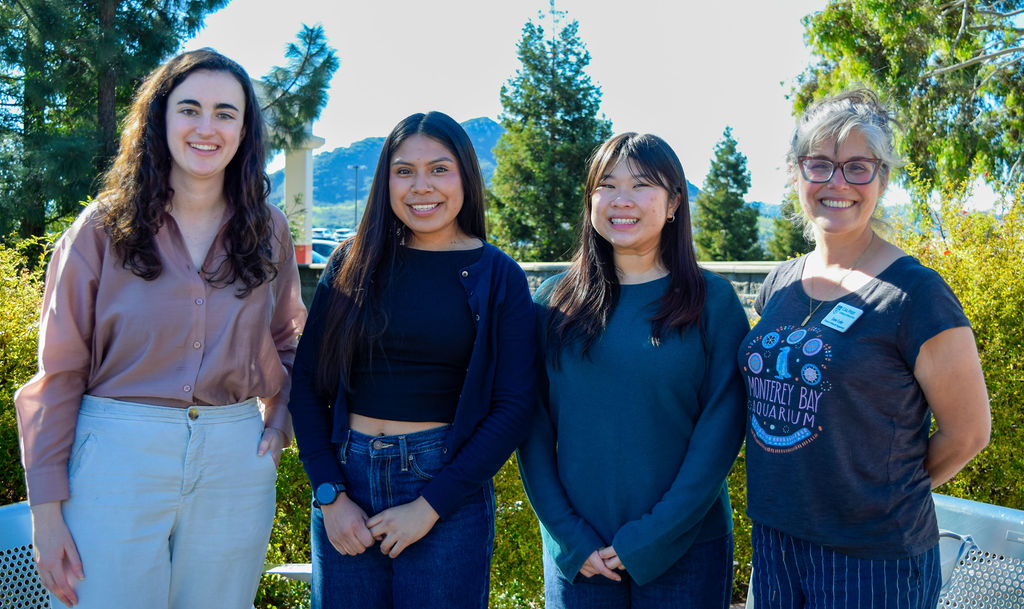
Engineering is not Neutral: Faculty Experiences Teaching Sociotechnical Lessons |
|
|
|
Kelly Hoang (she/her/hers) BEACoN Mentee Business Administration Emily Santos (she/her/hers) BEACoN Mentee Industrial Engineering Dr. Andrea Schuman (she/her/hers) BEACoN Mentor Computer Engineering Dr. John Oliver (he/him/his) BEACoN Mentor Computer Engineering Dr. Jane Lehr (she/they) Ethnic Studies BEACoN Mentor |
|
Abstract Sociotechnical education integrates social, human, and organizational factors within technology—addressing critical interactions between users and technical systems often overlooked in engineering classrooms. Engineering curriculum focuses on depoliticized technical skill sets that may not address implications of engineering products. This can limit students' ability to critically analyze problems and develop solutions that account for societal impact, ethical considerations, and technologies that meaningfully serve diverse communities. Our goals include encouraging students to think about which problems they prioritize, who they are designing for, and what expertise is included. We explore faculty's experiences teaching sociotechnical lessons in the Computer Engineering department. Kelly's Testimony I am truly grateful to have been given the opportunity to be a BEACoN mentee, especially as a first-generation college student. Collaborating closely with a co-researcher and several faculty members on a project I believe in has been one of the most meaningful experiences of my undergraduate career. I want to thank the faculty members on this project for guiding me, trusting me to contribute to the research, and supporting me in presenting at my first ASEE Zone IV Conference. Without BEACoN, I would have never seen my name on a published paper and that moment inspired me to continue growing as a scholar.
Emily's Testimony BEACoN has been extremely rewarding and enriching for my academic, professional, and personal growth. Collaborating closely with a co-researcher and several faculty members has strengthened my skills in research and communication. Over the past two quarters, I have developed and refined my critical thinking and research abilities. Attending the ASEE Zone IV Conference and presenting our published research was a valuable opportunity I gained through this program. Additionally, as a first-generation college student studying engineering, navigating new environments and complex topics can be challenging, but the support system within BEACoN has made the process far more approachable and encouraging. |
|
|
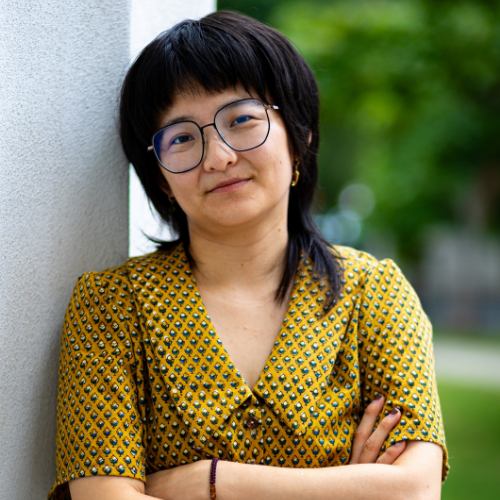
Guano, Graduates and Imperial Groundwork: Exporting Engineers and Transforming Environments |
|
|
|
Emma Ao (she/her/hers) BEACoN Mentee Anthropology and Geography Dr. Maggie Mang (she/her/hers) BEACoN Mentor Interdisciplinary Studies in Liberal Arts |
|
Abstract This project explores how American Polytechnics shaped transnational resource extraction. Joseph P. Davis, an alumni from Rensselaer Polytechnic Institute (RPI), was hired by the Peruvian government to survey guano deposits in the 1860s during the bloody guano wars. Analyzing Davis' digitized travel journals, the project reveals the commodification of land through technical expertise. His engineering field notes reveal equipment failures, surveying practices, and labor conditions. By establishing Davis' works within the broader history of guano extraction and the prominence of U.S. imperial expansion, this study shows how polytechnic training enables imperial reach through technical expertise and environmental transformation. Emma's Testimony Working with Dr. Mang on the BEACoN Project has been one of the most valuable experiences of my time at Cal poly. Dr. Mang taught me how to navigate both the RPI and Cal Poly archives online and in person, giving me a real understanding of how research works. I also learned how to use Tropy, search for information I need, and prepare for the symposium and design a research poster. Dr. Mang connected me with professionals in the field I hope to enter. This experience has left me prepared and excited about what the future has in store for me. |
|

|
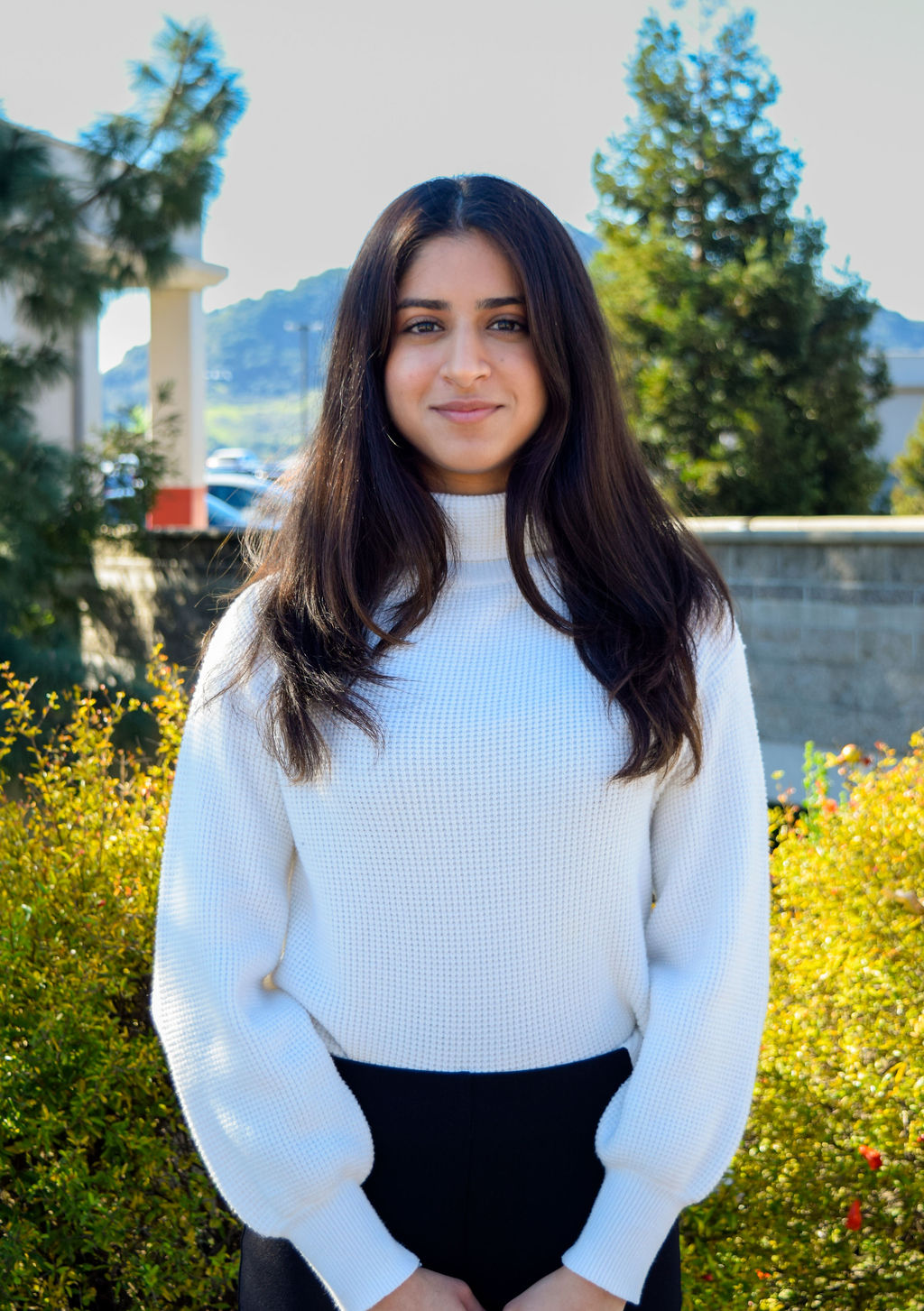
Trauma-Informed Computing and Security in a Privacy Class |
|
|
|
Saina Kakkar (she/her/hers) BEACoN Mentee Computer Science Dr. Kylie Parrotta (she/her/hers) BEACoN Mentor Social Sciences |
|
Abstract This project looks at Trauma-Informed Computing and Security in CSC 325, a privacy policy and technology class. I worked with student survey data to understand how students learned about trauma-informed computing and how they connected it to technology design. I analyzed both closed-ended answers and written responses from the class. The results show that many students connected trauma-informed computing to safety, privacy, empathy, user control, and reducing harm. This project is important because technology can affect people in serious ways, so future developers should think about users' experiences before building or changing technology. Saina's Testimony Working on this project has helped me see that computer science is not just about coding or technology. It is also about people and how technology can affect them. I worked on organizing and analyzing survey data from students, including both numbers and written responses. This helped me learn how to find patterns and explain what the data is showing. I also learned more about trauma-informed computing and why safety, privacy and user control matter. This research has made me more thoughtful about ethical technology and more confident working with data. |
|
|
What the "Hispanic Housing Crisis" says about Homeownership in the Neoliberal Order |
|
|
|
Edwin F. Villalobos (he/him) BEACoN Mentee History, Ethnic Studies Aron Ramirez (he/him/él) BEACoN Mentor History |
|
Abstract This project examines Latine homeownership between 1970 and 2000, challenging a narrative of progress from poverty to integration. Through historical scholarship, archiving, and oral interviews, this project situates rising Latine homeownership within changing housing markets, post-1973 policy shifts, and the growth of public-private relations. Edwin's Testimony My experience in Beacon was life changing in the best way possible. Getting the support necessary in order to best learn the skills which I will need in the next step in my career was integral to my growth as a Beacon Scholar. Under the supervision of Dr. Aron Ramirez, he taught me the most effective ways of researching and compiling said research. This research, overall, reignited my passion for academia once more. |
|
|
Hybrid Genres of Non-Parenthood: Technical, Expressive, and Activist Texts for Reproductive Justice |
|
|
|
Savannah Aguiar (she/hers) BEACoN Mentee English, Linguistics Minor, Certificate in Technical and Professional Communication Krista Speicher Sarraf (she/her/hers) BEACoN Mentor English |
|
Abstract This project endeavors to locate meaningful frameworks, foundational to reproductive justice, that address the subject of non-parenthood as a focus of Technical and Professional Communication. While challenging boundaries of traditional TPC genres, we constructed an archive of artifacts, their metadata, and analyses of how they change the way we approach non-parenthood from a TPC perspective. Using the archive, we generated directional research questions to inform scholars who hope to use these texts for further inquiry. We frame this project with knowledge of the inherent hybrid nature of conceptualizing a research area built upon expressions of deeply emotional human experiences. Savannah's Testimony Being selected for this BEACoN project under our mentor, Dr. Krista Speicher Sarraf, was incredibly formative for our final year as English undergraduate students. We dedicated our time to a topic that fulfilled and motivated us, and set the foundation for our goals moving into higher education. The BEACoN program offered a community of eager students looking to make a difference in their fields with their research. To learn from and alongside this group of scholars was an absolute privilege. |
|
|
Limits of Classification: Rethinking How Knowledge is Organized | Crosslisted under Robert E. Kennedy Library |
|
|
|
Mylina Megino (she/her) BEACoN Mentee Economics Kennedy Ray (she/her) BEACoN Mentee Graphic Design Kyle Tanaka (he/him/his) BEACoN Mentor Kennedy Library Jayme Yen (she/her/hers) BEACoN Mentor Art and Design |
|
Abstract Libraries and search engines are examples of networks usually understood as neutral spaces for accessing knowledge. However, these systems rely on metadata and classification structures rooted in historically Western, colonizer perspectives, which can obscure overlooked, alternative ways of knowing. This project aims to critique these networks as sites of power and introduce restorative metadata as a more inclusive approach. With our physical and digital exhibition, we hope visitors can critically reflect on how structures influence and limit the knowledge they encounter, and instead introduce better processes. Mylina's Testimony As a BEACoN Research Scholar, I've been able to explore unconventional perspectives beyond my primary study of Economics. Working with Professor Kyle Tanaka and Jayme Yen helped me better understand how metadata can be improved and how these insights can be communicated more accessibly to diverse audiences. This project continues to deepen my passions for advancing inclusive practices, particularly for marginalized communities, like my own, within a PWI setting. BEACON has been a valuable addition to my first year, a great example of Cal Poly's hands-on learning, and I would recommend it to anyone interested in research! Kennedy's Testimony Through the BEACoN Research Program I've been able to deeply explore how information is categorized or read across social, cultural and political spheres. This research has been eye-opening as a Graphic Design major whos primary responsibility is to understand how audiences assign meaning, and how that can help me communicate visually. With the guidance of Professor Kyle Tanaka and Jayme Yen, I've been able to understand how reparative metadata is essential for deconstructing western systems of categorization in order to improve the ways in which people gather information. |
|
|
Centering Staff and Faculty Voices: Focus Groups on Mental Health and Wellness Among Black, Latine/x, and AfroLatine/x Students |
|
|
|
Keylani Ascencio (she/her/ella) BEACoN Mentee Psychology, Minors in Ethnic Studies, Law and Society Sariah Francis (she/her) BEACoN Mentee Psychology Areliz Rosas Espinoza (she/her/ella) BEACoN Mentee Psychology, Minors in Child Development, Ethnic Studies, Spanish Leah Thomas (she/her/hers) BEACoN Mentor Psychology and Child Development Susana A. López (she/her/ella) BEACoN Mentor Psychology and Child Development |
|
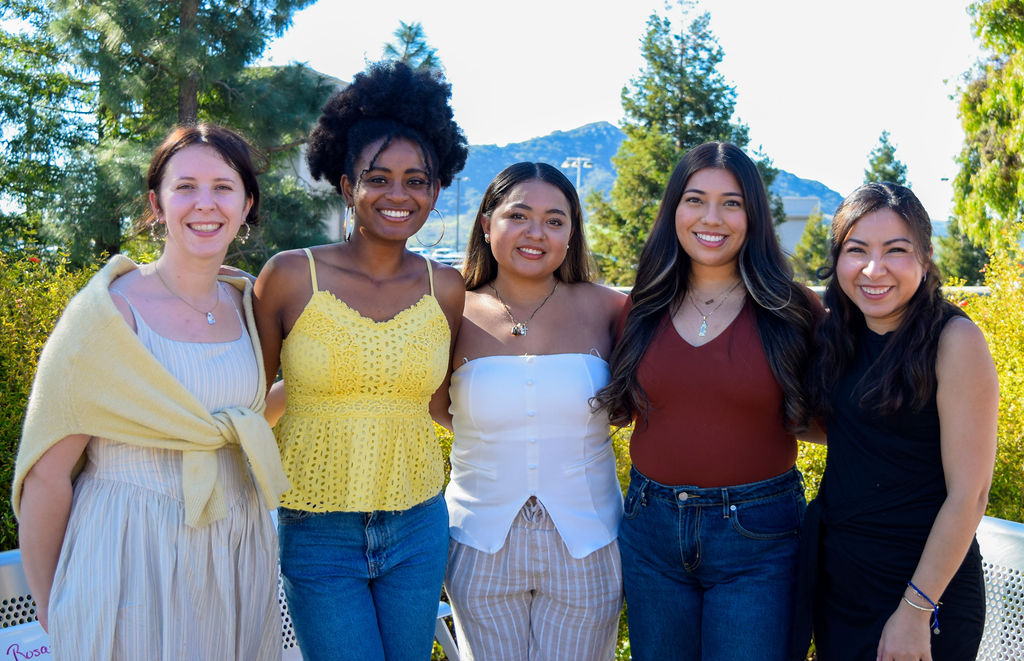
Abstract Students of color at Predominantly White Institutions (PWIs) often experience racialized stressors that harm mental health and belonging. This study explored faculty and staff perspectives on the wellness of Black, Latine/x, and Afro-Latine/x students at Cal Poly through focus groups. Themes revealed that support programs are underfunded and limited in growth opportunities for staff, faculty and staff play critical roles in student wellness, and intentional outreach and culturally responsive services help build trust. Participants emphasized expanding definitions of healing to include cultural events such as food and music, and community-centered practices. Findings underscore the need for culturally grounded mental health support at PWIs. Keylani's Testimony The BEACoN program has allowed me to participate in research alongside amazing people I am proud to call my mentors and team. Learning the ins and outs of qualitative research has been a career goal of mine, and through our project, I gained insight into the mental health experiences of Black, Afro-Latinx/e, and Latinx/e students like myself on this campus. As the daughter of hard-working immigrants, conversations about mental health are often dismissed; however, this experience gave me a safe space to address these topics with my fellow RAs and mentors while growing academically and personally throughout it. Areliz's Testimony The BEACoN program gave me an opportunity to enter my research gateway path. Ironically enough in the summer I was sitting there and wondering what my next pathway was and I thought research. I was then told about BEACoN and I applied with the hope any first-gen student had for something that looked unreachable. There I was looking at my email with shocker and tears in my eyes that I, Areliz got into research. The best part was that I got to work under my mentors whom I look up to so much and my partners who I got to grow to know and cherish as individuals. The BEACoN program allowed me to engage in research that resonated with me on a personal level. This experience built my practical research skills while also teaching me the importance of fostering environments where people feel safe to share their stories openly. Beyond shaping me as a student and researcher, BEACoN strengthened my commitment to championing community and belonging going forward. Sariah's Testimony The BEACoN program gave me the opportunity to be part of research that felt deeply personal and meaningful. As a Black student at a predominantly white institution, studying mental health and belonging among students of color made me realize how important it is for people to feel seen and supported. Through this experience, I gained hands-on research skills while also learning the value of creating spaces where people can share their experiences honestly. BEACoN helped me grow not only as a student and researcher, but also as someone who wants to continue advocating for community and belonging. |
|
|
Incarcerated Soul(s): Music, Performance, and Resistance in Twentieth and Twenty-First Century Carceral Spaces |
|
|
|
Jessica D. Zaninovich (she/her/hers) BEACoN Mentee Sociology Madison Mae William (she/her/hers) BEACoN Mentor Theatre and Dance |
|
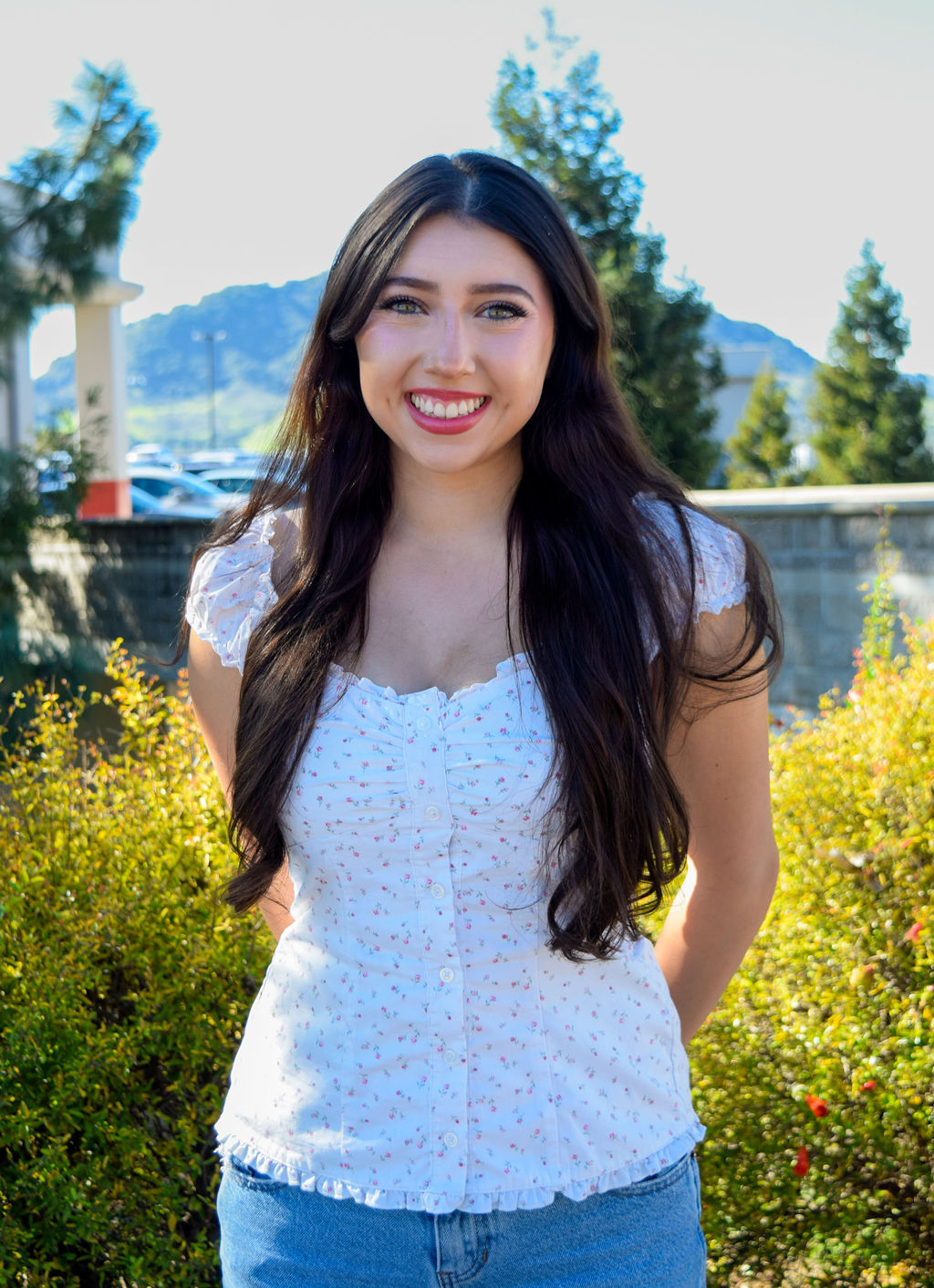
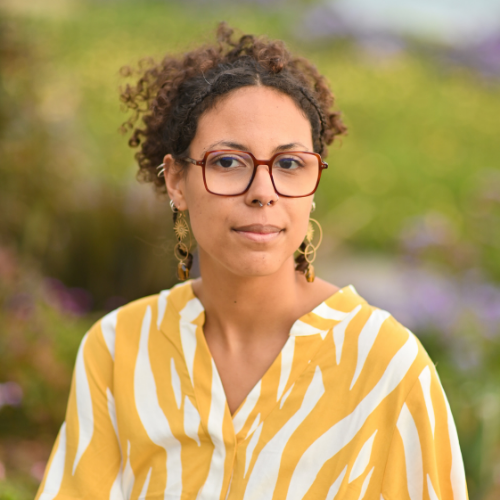
Abstract This study explores music and performance as forms of resistance within twentieth and twenty-first century American carceral spaces—not only examining how incarceration shapes what is/was performed, but how and why specific music and performance practices emerge under conditions of confinement. From Alan Lomax's Prison Song Recordings from Parchman Farm, to the rise of “prison gigs” by popular musicians in the 1960s and 70s, to the explosion of prison funk in the 1970s, this study intends to trace a history of how these embodied performances served to maintain cultural identity and community, foster creative expression and community, and resist conditions of extreme surveillance, violence, and control. Jessica's Testimony Dr. Williams has been a phenomenal advisor, she is so unbelievably helpful and understanding. I have learned so much from this research and it's so abundantly clear she is very passionate about what she does. I have had a great time with the BEACoN program, it has been a great way for me to learn so many new skills and I have even made friends. Doing this research has been so rewarding and I feel I have gained so much knowledge and experience. |
|
|
A Debate for the Future of the Natural World |
|
|
|
Ava Jimmerson (she/her) BEACoN Mentee Communication Studies & Political Science Double Major Hunter Larson (he/they) BEACoN Mentee Communication Studies John Patrick (he/him/his) BEACoN Mentor Communication Studies Victoria Zamora (she/they) BEACoN Mentor Communication Studies |
|
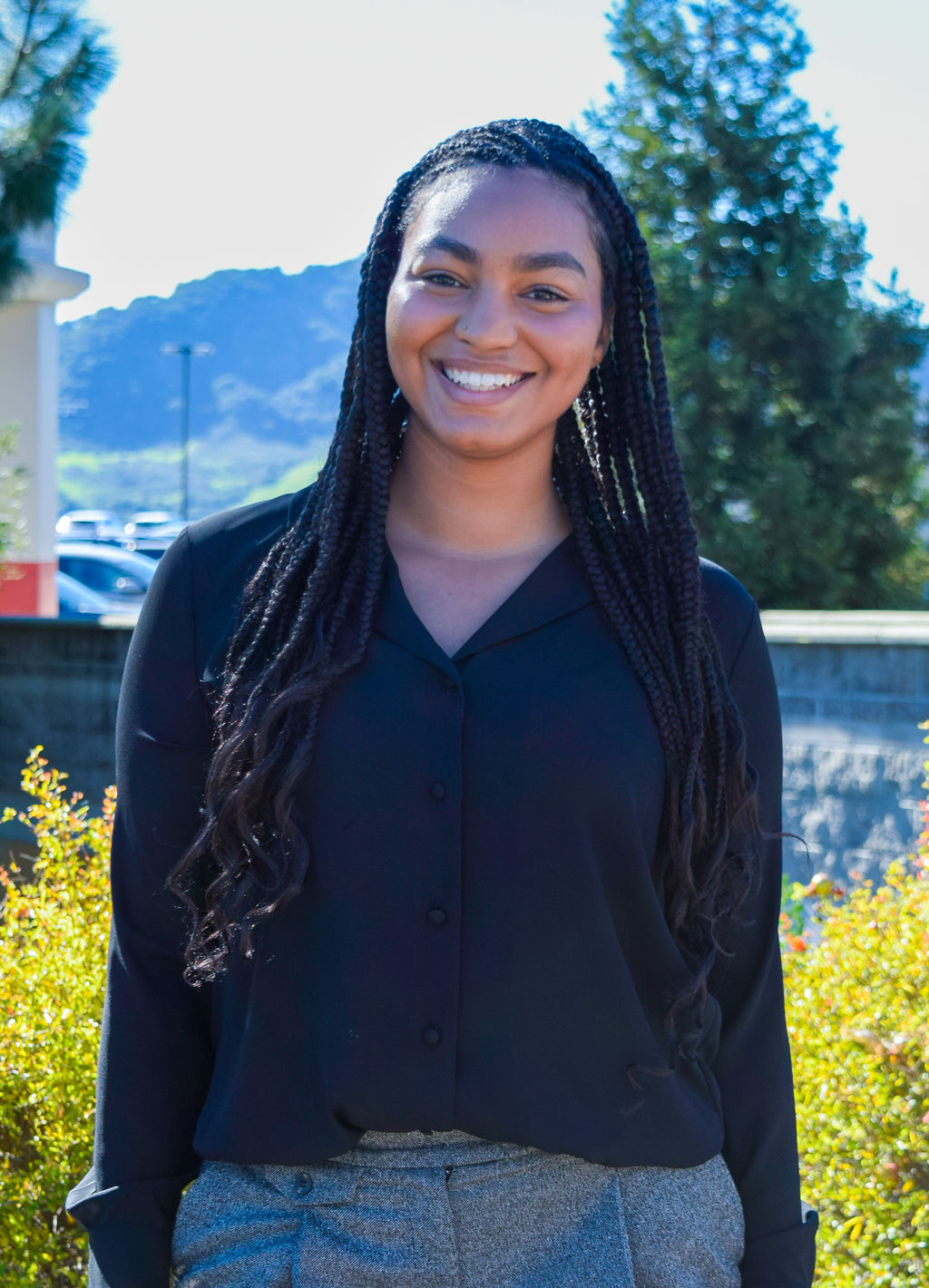
Abstract This project brought together two undergraduate communication studies students with the Sierra Sustainability Summit (SSS) to create inclusive, equity focused programming that supports accessibility in National Parks, in spite of limited funding. As BEACoN Scholars We worked alongside the SSS Director of Programming over the 2026 quarters to design and lead interactive sessions encouraging problem solving, respect of outdoor spaces, and informed advocacy. We produced materials, plans, and reflections on our work. Overall this project strengthened leadership and communication skills while creating practical programming that helps make public lands more welcoming and accessible for all. Ava's Testimony As a student project coordinator, this was my first time visiting a national park, which made the experience even more powerful. I usually think about communication and policy in the classroom, but this role pushed me to apply communication skills in a practical non-classroom setting. I reached out to potential speakers and judges, gave updates and discussed tasks, and interacted with partners and participants during the Summit. I'm thankful to have helped to make these spaces more accessible for students in my same position with lack of experience in National Parks but care for the policy that protects them. Hunter's Testimony This project connects to two of my greatest passions in life: the natural world and human connection. It creates an environment where community is built atop a love of learning, sustainability, and the beauty of our world. As a previous competitor, it was an honor to contribute by connecting the Summit with organizations dedicated to protecting Yosemite. I successfully forged connections between the SSS and nonprofit and governmental organizations that keep Yosemite thriving. Alongside the other assistant coordinators, I contacted speakers and created materials supporting safety protocols, check-in measures, participant assistance, and competition organization. I am deeply grateful for this incredible opportunity. |
|
|
Smarter Sales and Operations Planning in the Craft Brewing Industry |
|
|
|
Saanika Medishetty (she/her) BEACoN Mentee Business Administration, Information Systems, Minor in Computer Science Helene Johnson (she/her) BEACoN Mentee Industrial and Manufacturing Engineering Dr. Jill Speece (she/her/hers) BEACoN Mentor Industrial and Manufacturing Engineering Dr. Mohamed Awwad (he/him/his) BEACoN Mentor Industrial and Manufacturing Engineering |
|
Abstract This project developed a web-based Sales, Inventory, and Operations Planning application for craft breweries in collaboration with Central Coast Analytics and Societe Brewing. The app helps connect forecasted demand, inventory, brewing plans, and packaging plans into one planning workflow. Using historical operational data, the system generates demand forecasts, calculates safety stock, supports brewing decisions through material requirements planning logic, and translates production output into packaging recommendations. The project demonstrates how operations management concepts can be applied through a practical decision-support tool designed for small and mid-sized brewery operations. Saanika's Testimony Through BEACoN, I had the opportunity to grow both technically and professionally through an applied research project. I learned how to work with a new technology stack, strengthen my programming skills, and translate technical ideas into a functional application. The experience also taught me how to collaborate with industry stakeholders (Central Coast Analytics) and iterate based on feedback. Working through revisions helped me understand that building a useful tool is not just about writing code, but also about listening to users, understanding their needs, and improving the product over time. Helene's Testimony I am so grateful to have worked with my research group over the past two quarters! Taking on complex business operations research and software development was challenging, but the incredible, dedicated mentorship I received made it all possible. I am deeply grateful for that guidance, and for the opportunity to work so closely alongside Saanika as we learned how to write research papers, plan production, and communicate with clients. |
|
Bailey College of Science and Mathematics (BCSM)
|
Analysis of Expression of an mRNA Stability Regulatory Protein, Tristetraprolin (TTP), in Mouse Macrophages |
|
|
|
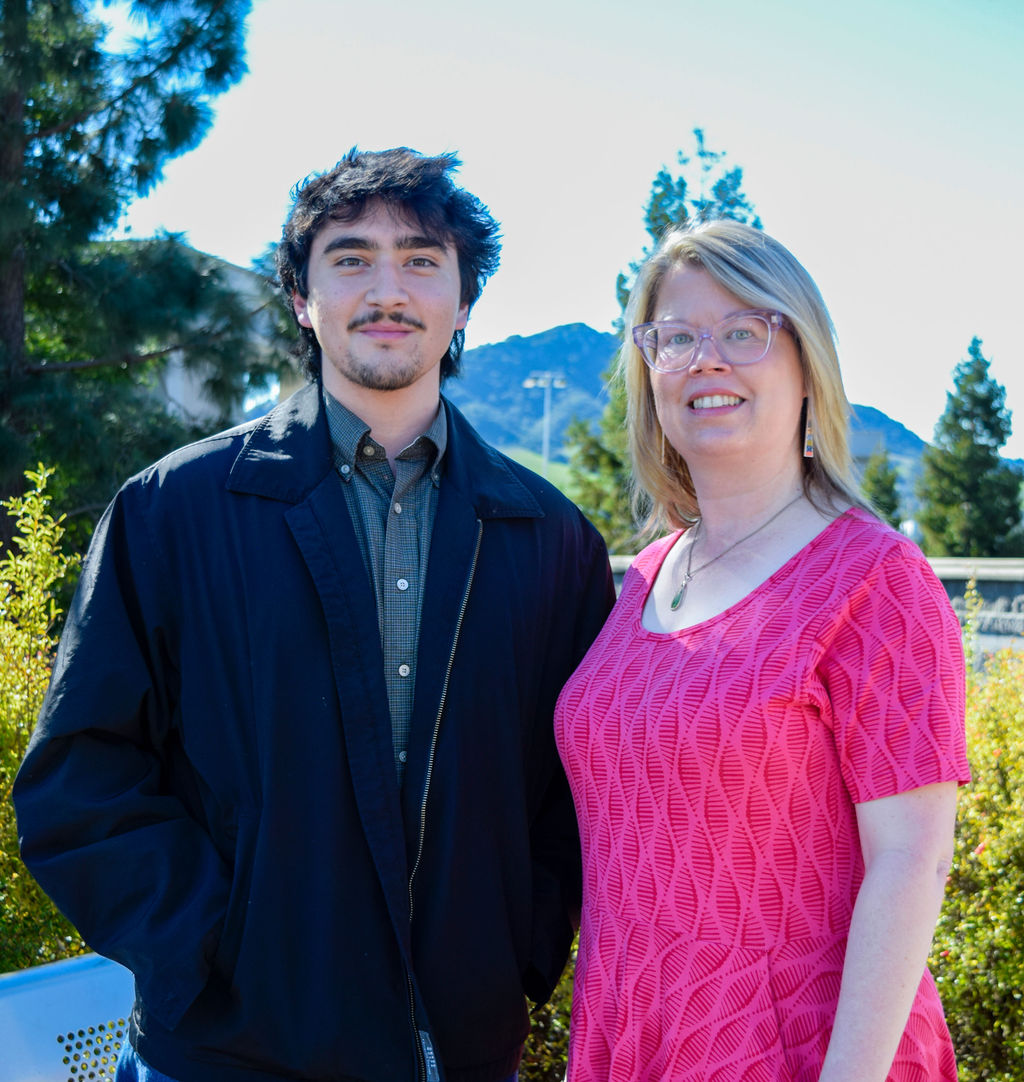
Abraham Zamora (he/him/his) BEACoN Mentee Biological Sciences Sandi Clement (she/her/hers) BEACoN Mentor Biological Sciences |
|
Abstract The protein tristetraprolin (TTP) regulates inflammation by targeting pro-inflammatory mRNAs1 for decay. TTP expression and activity is controlled through phosphorylation by the p38 MAPK/MK2 pathway2,3. Less is known about the process of dephosphorylation by phosphatases. This study uses Western blot analysis of protein extracts to examine the timing of TTP dephosphorylation in murine macrophages stimulated by lipopolysaccharide (LPS). |
|
|
Electrochemical Detection of Mood-Related Neurotransmitters: Dopamine Signatures on Modified Electrodes |
|
|
|
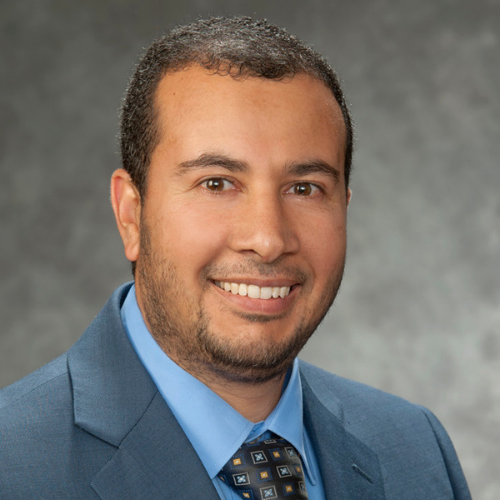
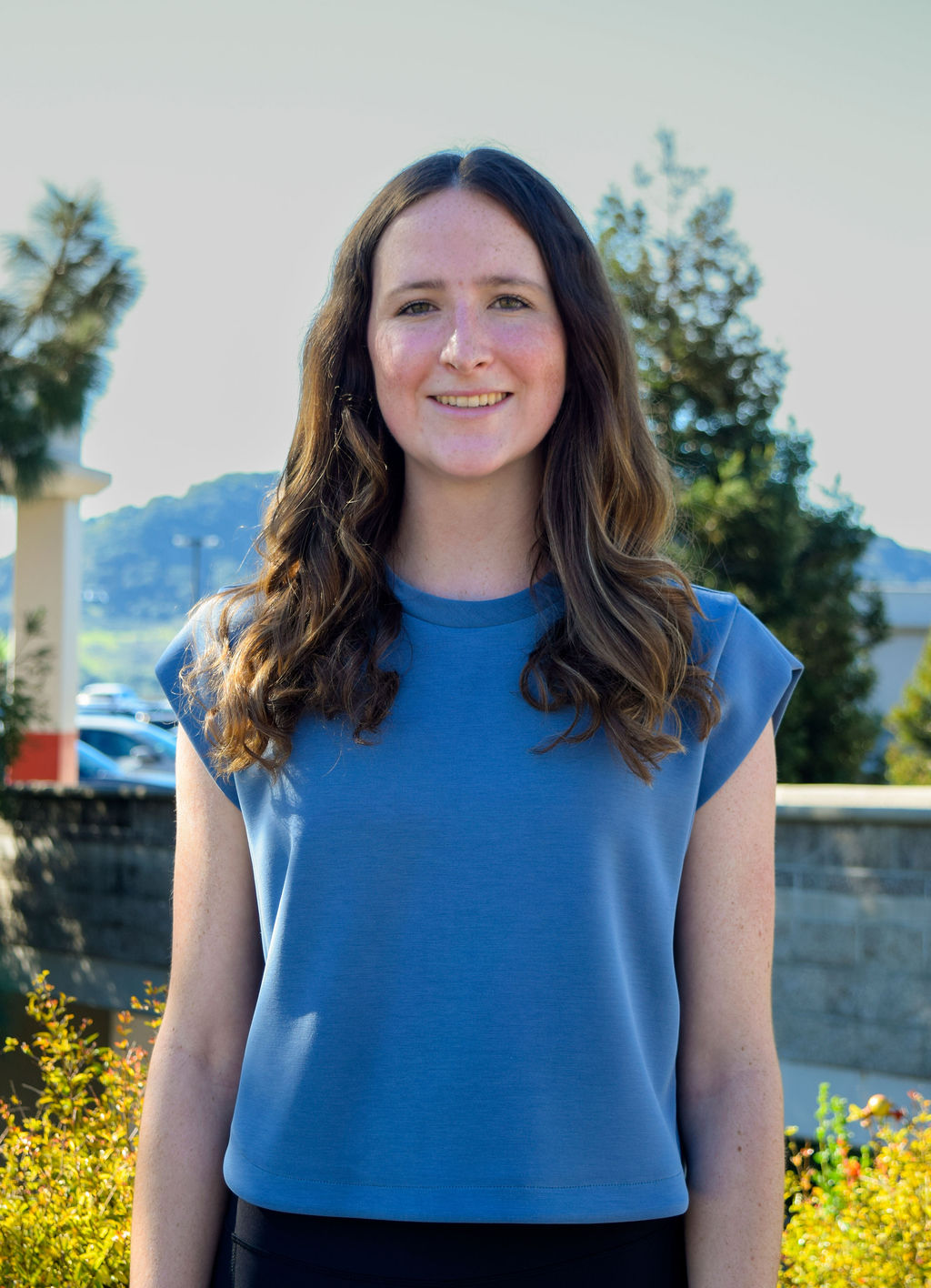
Claire Kuhlmann (she/her) BEACoN Mentee Biological Sciences, Minor in Science Communication Dr. Haitham Kalil (he/him/his) BEACoN Mentor Chemistry & Biochemistry |
|
Abstract Neurotransmitter imbalances, including dopamine dysregulation, play an important role in mood regulation and are associated with disorders such as depression, anxiety, and Parkinson's disease. However, current diagnostic methods rely largely on subjective behavioral observations. This project aims to develop a low-cost, highly sensitive electrochemical platform capable of detecting dopamine in biologically relevant environments. Electrode performance was evaluated in the presence of common interferents by comparing voltammograms and oxidation profiles of the interferents. Understanding electrode behavior in complex biological environments will support future electrode modifications aimed at improving sensitivity and specificity for potential in vivo dopamine detection applications. Claire's Testimony The BEACoN research program has been an outstanding opportunity, and I have truly grown so much as a researcher. I have developed skills in lab and in writing, made meaningful social and academic connections, and gained greater confidence in my own capabilities. With the support of Dr. Kalil, I was able to take my research all the way to Seattle, where I presented at the 249th Electrochemical Society Meeting. |
|
|
The Effects of Mating Harassment in Girardinus Metallicus Fish: Do Males Keep Females from Feeding? |
|
|
|
Pamela Deshayes (she/her/hers) BEACoN Mentee Animal Science, Minor in Entrepreneurship Gita R. Kolluru (she/her/hers) BEACoN Mentor Biological Sciences Department |
|
Abstract Eggs are energetically expensive to produce, whereas sperm are inexpensive. Therefore, male animals exhibit repeated, persistent mating attempts (“mating harassment”), whereas females are choosy, generating sexual conflict. Mating harassment reduces female foraging, a cost of mating for females. We therefore hypothesized that female foraging in G. metallicus fish would be reduced in the presence of males. Supporting this hypothesis, females that were followed more by males ate less. However, females that received more copulation attempts ate more, possibly because these females were of higher quality. Our results inform our understanding of how sexual conflict impacts female and male behavioral trade-offs. Pamela's Testimony As a first-generation and Latinx student, BEACoN has had an immense impact on my confidence as an academic. Working alongside Dr. Kolluru in the Cal Poly Fish Lab, I have gained applicable skills and experience in fish husbandry, experimental design, data collection, and data analysis. Being able to have control over what I was doing in the lab and working with other students allowed me to explore my own interests and develop a new appreciation for research. Also, as a 4th-year student preparing to graduate, this experience inspired me and gave me the resources to successfully pursue graduate school. |
|
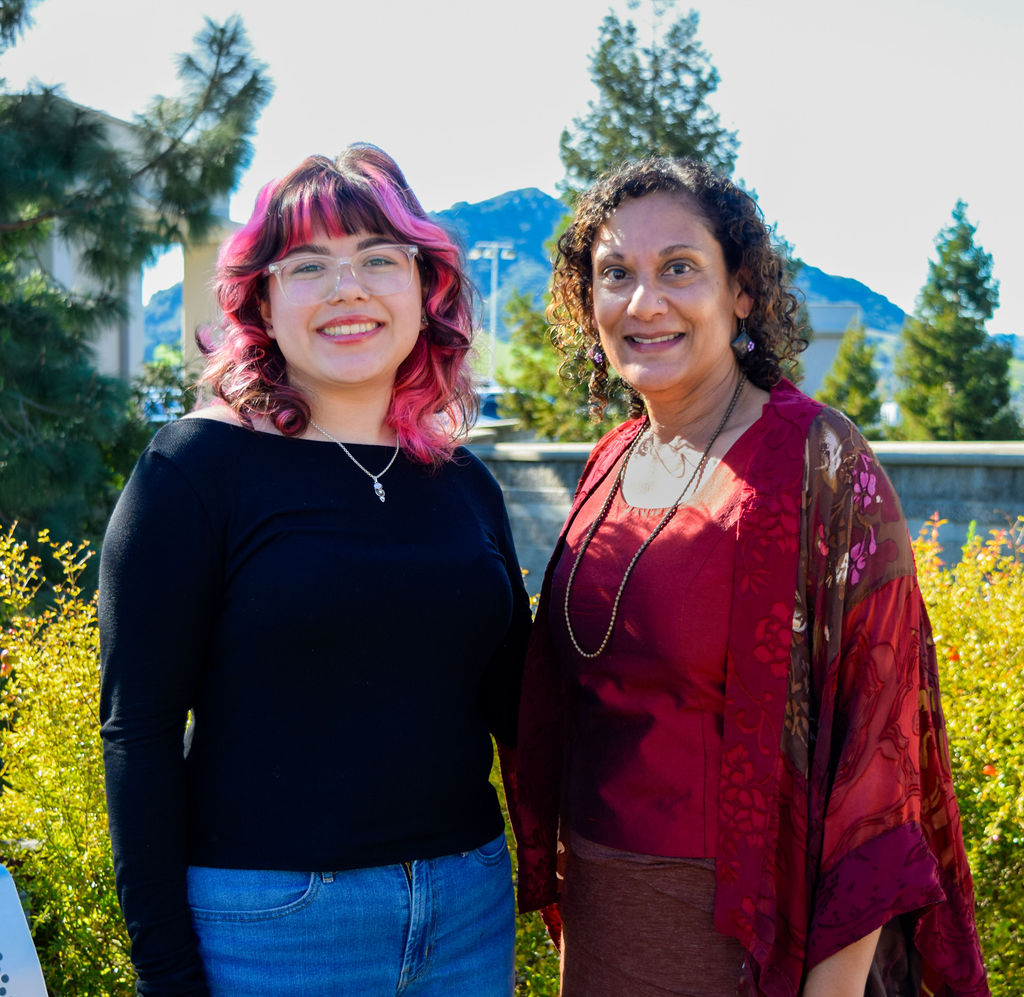
|
Trends in Pesticide Use in San Luis Obispo County from 2013–2023 |
|
|
|
Hermelinda Lopez (she/her/hers) BEACoN Mentee Public Health, Minor in Spanish Dr. Erika Meza (she/her/ella) BEACoN Mentor Kinesiology and Public Health |
|
Abstract California is among the highest consumers of pesticides globally, and while pesticide applications vary regionally, little research has examined long-term trends in pesticide use, particularly in San Luis Obispo County. This study extracted data from the California Department of Pesticide Regulation website from 2013 to 2023 to describe pesticide use patterns in San Luis Obispo County. Among previously identified “high-toxicity” pesticides, Mancozeb and Thiram consistently had the highest pounds applied in San Luis Obispo County. These findings highlight heterogeneity in pesticide use across California and the importance of monitoring pesticide use across different commodities and communities. Hermelinda's Testimony Being part of BEACoN has allowed me to strengthen the analytical skills I have learned in the classroom by applying them through hands on research. The program has broadened my understanding of navigating the different steps involved in conducting research. Working alongside Dr. Meza has been incredibly valuable, not only form an educational standpoint, but also in helping me explore the endless career possibilities available to me. She has also fostered an environment in where I feel welcomed in sharing my own experiences and providing me with the confidence that I to belong in the research community. |
|
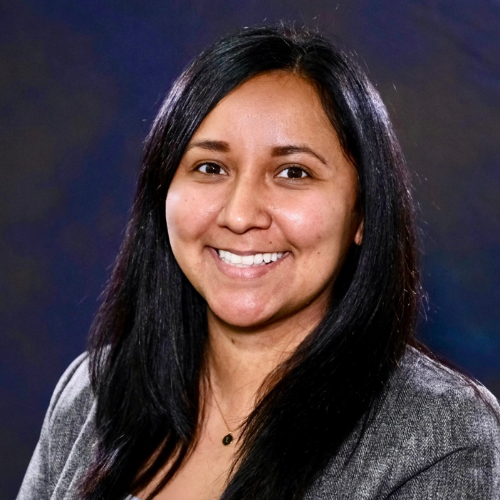
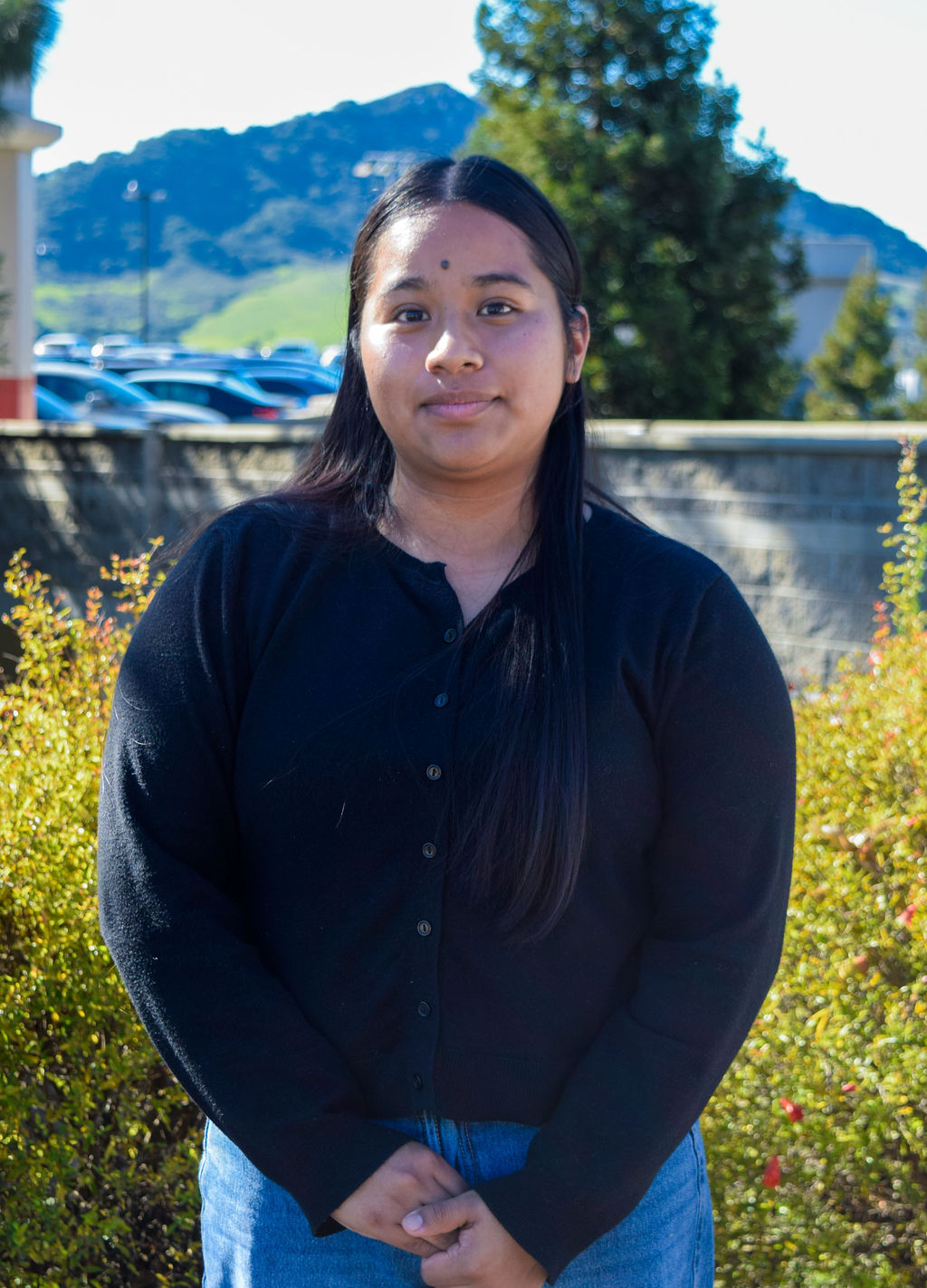
|
The Effects of Glyphosate on Short-Term Memory and Activity in Iberian Swine Model of Metabolic Dysfunction-Associated Steatotic Liver Disease |
|
|
|
Fernanda Sebastian (she/her) BEACoN Mentee Animal Science, Minor In Spanish Dr. Magdalena Maj (she/her/hers) BEACoN Mentor Biological Sciences |
|
Abstract Metabolic dysfunction-associated steatotic liver disease (MASLD) is the most common liver disease, and it is associated with hypercaloric diets. Glyphosate is a widely used herbicide, especially in California. However, the effect of chronic low-dose glyphosate exposure in MASLD and neurobehavior is unknown. This study was designed to evaluate the effect of glyphosate on cognitive function and activity in a diet-induced MASLD model. Iberian pigs were fed a high-fat, high-sugar diet with or without glyphosate supplementation for 8.5 months. Novel Object Recognition test was performed once a week to assess a short-term recognition memory, while postprandial activity was recorded twice a week. The video footage is being scored using BORIS software. No clear decline in recognition memory or activity level was observed between the two treatment groups. Fernanda's Testimony BEACoN provided me with the support necessary to gain more meaningful hands-on experience. As I apply to veterinary school this year, I see myself creating a confident, successful application thanks to the skills and knowledge I've gained from my mentor. As a first-generation immigrant student, I find this opportunity especially impactful, opening doors that once felt out of reach and helping me move forward on my path toward veterinary medicine. This opportunity brings me one step closer to becoming the veterinarian I aspire to be and to contributing to my community, especially by supporting individuals whose backgrounds reflect mine. |
|
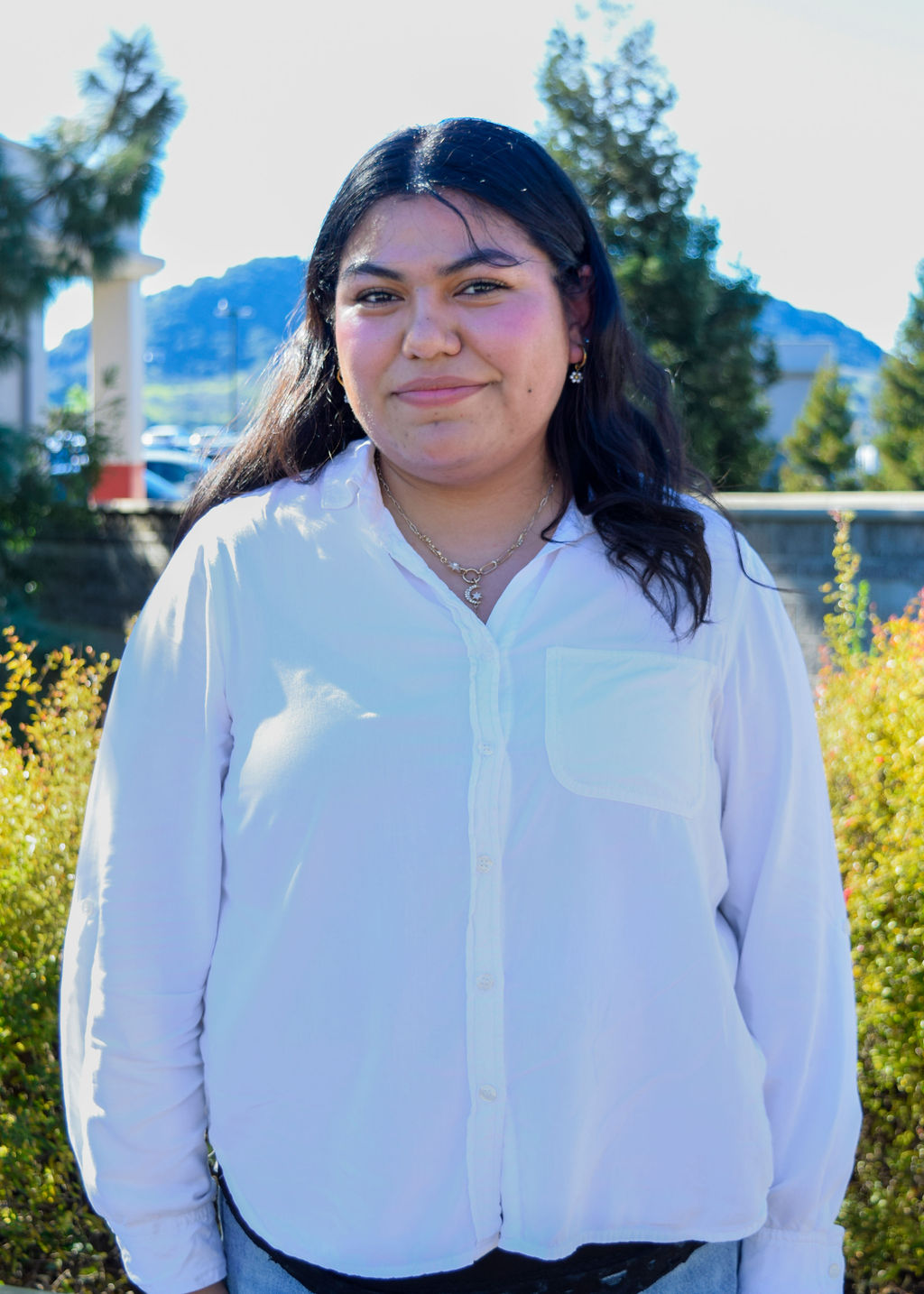
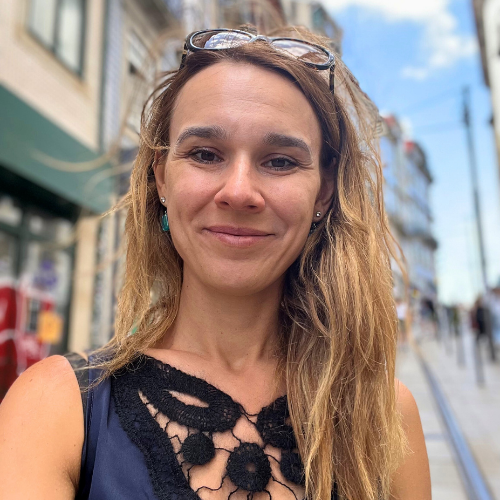
|
Guided by Movement: Indoor and Outdoor Exercise Experiences for Adults with Visual Impairments |
|
|
|
Ellie A. Atashkarian (she/her/hers) BEACoN Mentee Biology Dr. O'Hara (she/her/hers) BEACoN Mentor Kinesiology and Public Health |
|
Abstract The Guided by Movement study examines how outdoor and indoor adapted exercise environments such as cycling affect enjoyment, quality of life, socialization, physical and psychological well-being, exercise adherence and accessibility among adults with visual impairments. This research project builds on research showing that visual impairments do not prevent people from benefiting from physical activity. Instead, barriers such as social support, accessibility, safety and inclusive programming often limit participation. My current work with Dr. O'Hara involves identifying research gaps, reviewing literature and developing new study methods/strategies for future data collection comparing indoor and outdoor activities, such as tandem cycling and guided walking. Ellie's Testimony My BEACoN research experience has allowed me to grow as a student researcher. Through weekly meetings with Dr. O'Hara, I have learned how to organize literature, connect research articles to study methods, participant needs and real-world accessibility, and identify research gaps as we develop our proposed summer methods that are planned for the summer. As someone who is visually impaired and a former cross country & track athlete, I feel personally connected to this project. I am excited to contribute to research that can help develop more inclusive opportunities for people with visual impairments. |
|

|
Beyond English Only: Raising Bilingual Children During Prop 227 |
|
|
|
Jennifer Torres Arceo (she/her/ella) BEACoN Mentee Business Administration, Minors in Ethnic Studies & Real Property Development Olivia Obeso (she/her/ella) BEACoN Mentor School of Education |
|
Abstract California's Proposition 227 (1998) restricted bilingual education and promoted English-only instruction in public schools. Through oral histories and archival analysis, this project examines how families navigated raising bilingual children during this era. Newspaper headlines and public discourse from the time reflected support, confusion, and resistance surrounding Prop 227 and English-only education. Personal narratives from parents highlight the challenges of preserving home languages and cultural identity while facing pressure to conform to English-only expectations. Jennifer's Testimony My experience with BEACoN has been very meaningful because it gave me hands-on research experience for the first time. I learned how to conduct interviews with community members independently and work closely with my mentor and team. Dr. Obeso was always organized, supportive, and created a welcoming environment that made me feel comfortable asking questions and growing as a researcher. Through my project on bilingual education and the lasting effects of Proposition 227, I have gained confidence in my abilities and feel proud to contribute research that brings attention to how these policies and beliefs still impact students today. |
|
|
Impact of a Bilingual Science Education Program on Elementary Students: Views from Teachers and Parents |
|
|
|
Jessica Garcia-Tapia (she/her/hers) BEACoN Mentee Liberal Studies Citlali Luna (she/her/hers) BEACoN Mentee Psychology Dr. Perla Ramos Carranza (she/her/hers) BEACoN Mentor Liberal Studies and Biological Sciences |
|
Abstract Our research focuses on Nuestra Ciencia, a bilingual science education program at Cal Poly where undergraduate students teach microbiology in Spanish to elementary students. We collected surveys from 28 parents and teachers on their initial thoughts of the program and conducted 30-45 minute interviews with 6 teachers and parents for an in-depth perspective of the impact of doing science activities in Spanish. From a preliminary analysis, we found that teachers and parents felt the program helped students see themselves as scientists and support their interest in science through engaging hands-on activities, bilingual role models, and a focus on Spanish. Citlali's Testimony As a first-generation Latina, BEACoN has given me an endless amount of opportunities but most of all, it has given me a community of student researchers and faculty that have supported me throughout the year. I started working with Nuestra Ciencia last year as a research volunteer, and this year, I became a BEACoN mentee for the team. I have learned many new things and was able to pick up more responsibilities as a BEACoN mentee. I also got to present with them at the American Educational Research Association Conference. Ultimately, BEACon opened many new opportunities, and I am grateful for that. Jessica's Testimony BEACoN has given me an many opportunities but also a community. I started working with Nuestra Ciencia during last summer, for Frost Summer Undergraduate Research Program. I have been able to learn so many new things but I have also been able to meet other researchers and professors who have been able to help me learn and understand research. I also was able to present at American Educational Research Association Conference. I am grateful for all the new opportunities that BEACoN has open and I get to learn more about research. |
|
|
Incidence and Associated Risk Factors of Acute Kidney Injury in Agricultural Laborers on the Central Coast |
|
|
|
Antonio M. Bailon (he/him/his) BEACoN Mentee Kinesiology, Minor in Biological Sciences Jazmin Garcia Lopez (she/her/hers) BEACoN Mentee Biological Sciences, Minor in Bioinformatics Dr. Adam Seal (he/him) BEACoN Mentor Kinesiology and Public Health |
|
Abstract Agricultural workers experience an elevated risk for acute kidney injury (AKI) due to heat stress, dehydration, and physically demanding labor. Multiple AKIs potentially lead to chronic kidney disease; however, AKI incidence and its risk factors among California farmworkers are poorly recognized. Previous studies have measured urinary creatinine, a biomarker only detectable after injury has already occurred. In contrast, this study will evaluate early-detection urinary biomarkers of AKI and associated risk factors among agricultural laborers over the course of a work shift (TIMP-2, IGFBP-7). We hypothesize that AKI markers will increase post-shift and correlate with hydration, workload, and payment structure. Antonio's Testimony Participating in the BEACoN program at California Polytechnic State University truly transformed my undergraduate experience. The program gave me the support and stability to pursue both my research and my academics without sacrificing time or opportunity. More importantly, BEACoN let me work with a community of passionate, like-minded students and faculty who inspired and motivated me every day. Feeling supported by peers and mentors helped me grow in confidence as a researcher and believe in my potential. Because of BEACoN and my mentor, I now feel prepared and empowered to pursue a Master of Science degree beginning next year. Jazmin's Testimony As a first-generation Latina breaking continuous barriers, being a part of such an impactful program, such as BEACoN, has truly expanded my horizons. Throughout this experience with Dr. Seal, I acquired new skills that have laid a foundation for my career while maintaining connections that I know will last a lifetime. His mentorship has driven me to pursue a career in which I can help my community and drive my curiosity through lab research. Although my time as a scholar is coming to an end, having the continuous support of BEACoN will remain an important pillar of my professional growth. |
|
|
Sleep and Eating: The Effects of Sleep on Anxiety and Dietary Temptation |
|
|
|
Tony Gonzalez (he/him) BEACoN Mentee Kinesiology Selene Tobin (she/her/hers) BEACoN Mentor Kinesiology and Public Health |
|
Abstract Obesity is a major public health issue, affecting more than 2 in 5 Americans. Sleep is recognized as an important daily behavior that impacts physical and psychological health during weight loss interventions. Poor sleep is associated with increased anxiety and maladaptive eating behaviors, including dietary temptation. The purpose of this project was to examine whether sleep quality affected anxiety and dietary temptation during an online WL program. Participants completed ecological momentary assessment (EMA) surveys five times a day over 10 days at baseline and postintervention during a 3 month remotely delivered WL program. Results will help us understand the relationship between sleep, anxiety, and dietary temptation. Tony's Testimony Being introduced to research has been an incredible learning experience and a great opportunity to broaden my horizons. Working with Dr. Tobin helped me realize that research involves more than just data collecting. It requires critical thinking, patience, and curiosity. Although it was challenging at first, Dr. Tobin's encouragement and endless support pushed me to grow, improve my skills, and develop new ways of looking at problems and ideas. I am forever grateful for the experience and mentorship, which have strengthened both my confidence and skills. |
|
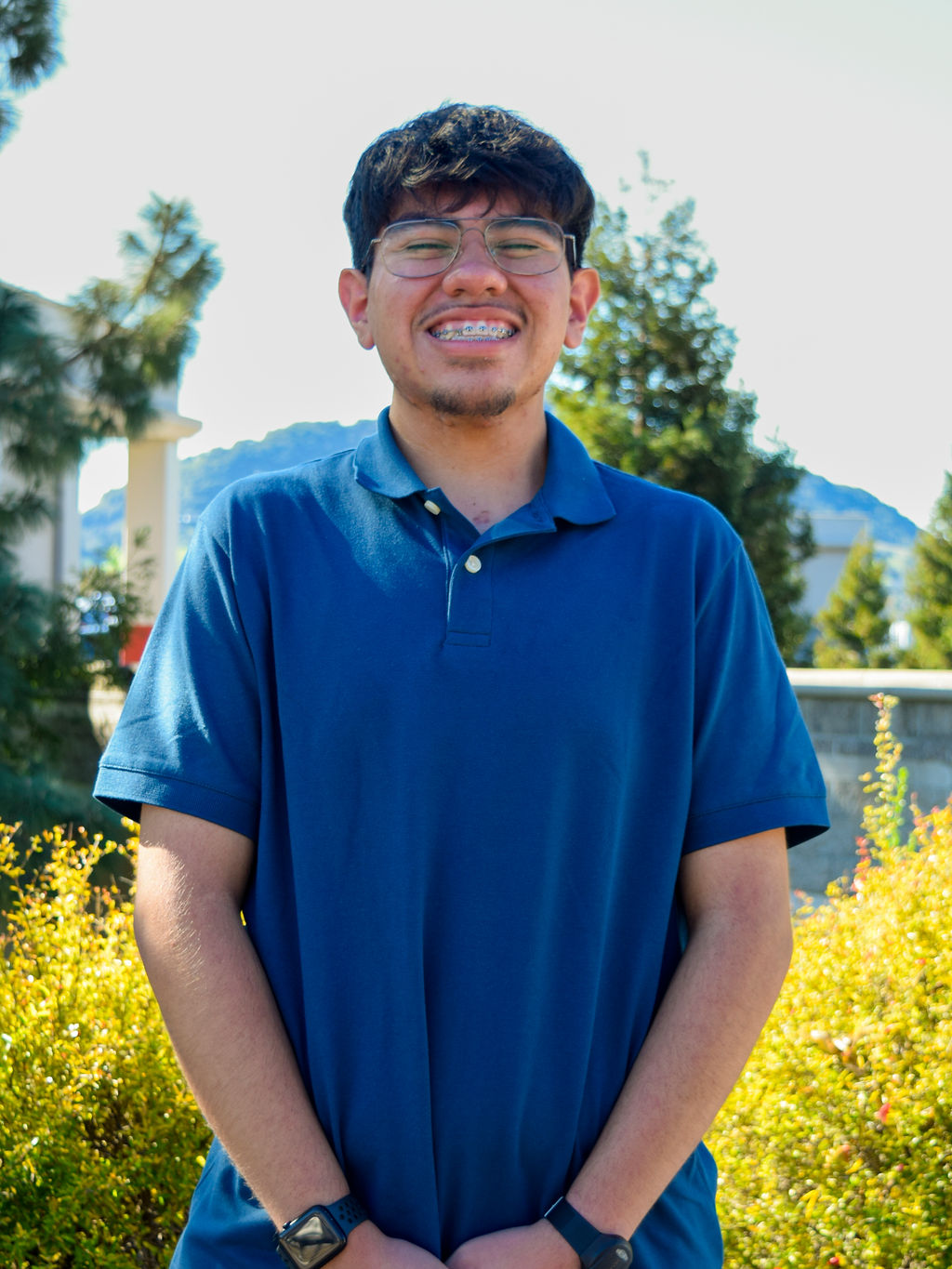
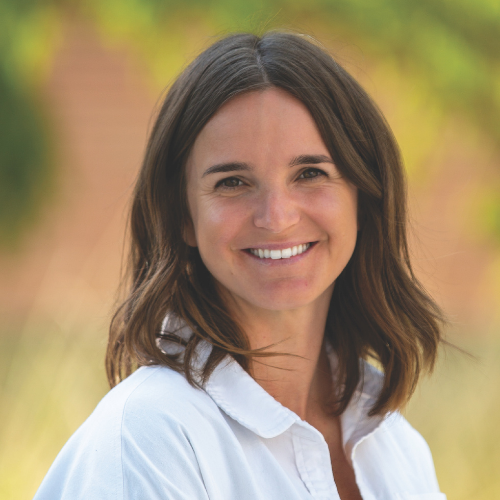
|
Association Between Food Insecurity on Maternal Feeding Practices |
|
|
|
Yaneli Alissa Alcantar (she/her/hers) BEACoN Mentee Biological Sciences Dr. Alison Ventura (she/her/hers) BEACoN Mentor Kinesiology and Public Health |
|
Abstract My research project explored the association between food insecurity and maternal feeding practices using data gathered from the iBaby Study. This study focused on the 9-month assessment of mother-infant dyads to capture the transition between milk feeding to solid-food feeding. Results showed that mothers experiencing marginal, low, or very low food security were significantly less likely to provide repeated exposure to new foods than mothers with high food security. Additionally, food-insecure mothers significantly scored higher on non-responsive feeding practices including persuasive feeding, parent-led feeding, and using food as a reward. Yaneli's Testimony My experience being able to do this research program with Dr. Ventura on the iBaby Study has been very enjoyable and productive. I have been a student research assistant since the fall quarter of my third year in 2024. Being able to further my involvement in this study has allowed me to connect the materials and procedures I was already familiar with to a research question that can be applied to the real world. I loved getting to work more closely with Dr. Ventura and getting to be a part of a very interesting and compelling study at Cal Poly! |
|
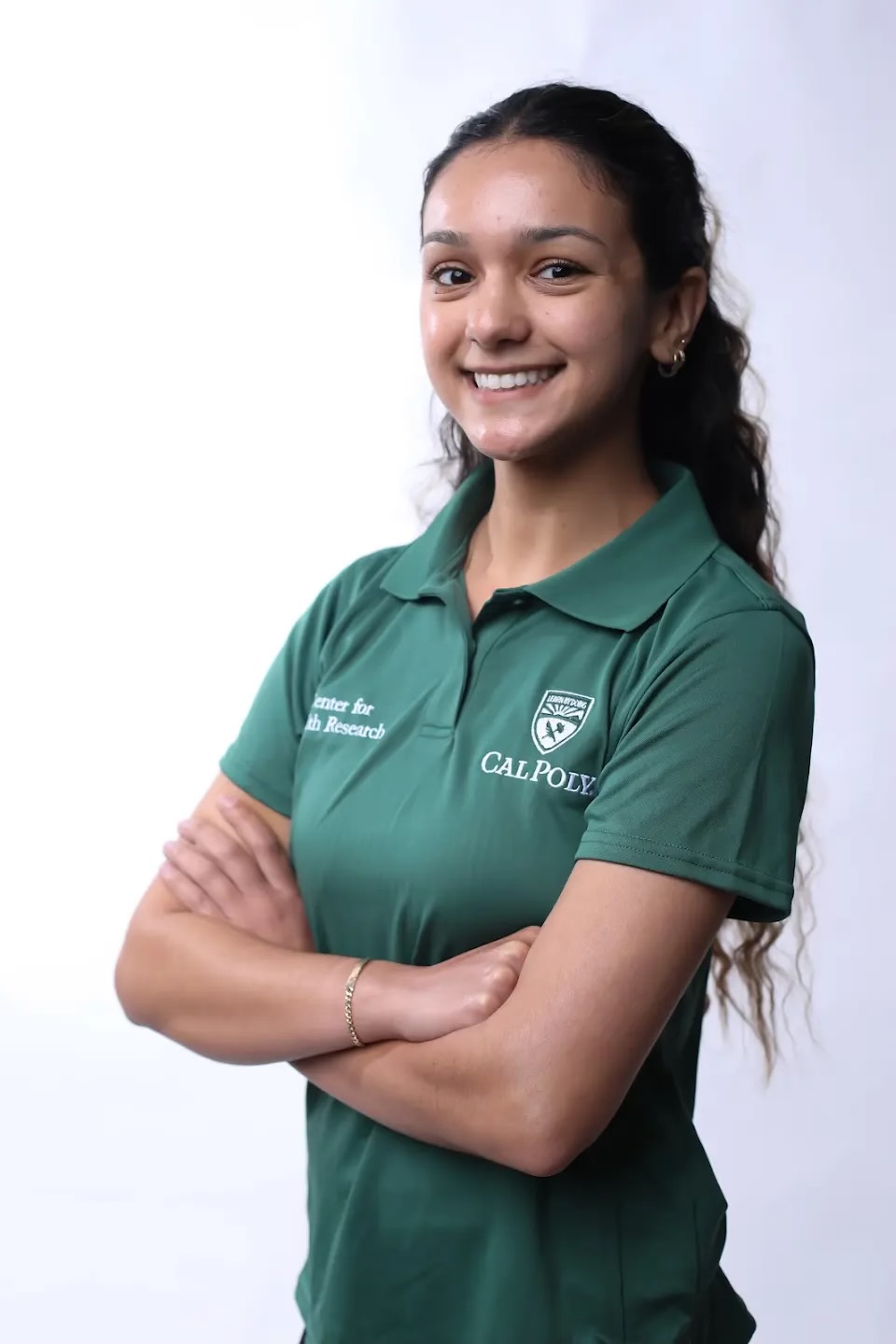
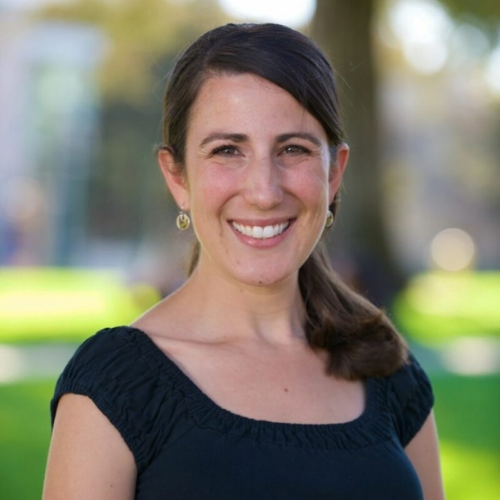
|
Associations Between Duration of Paid Leave and Infant Self-Regulation Skills at 6 Months |
|
|
|
Tri-An Pham (she/her/hers) BEACoN Mentee Psychology, Minor in Child Development Dr. Alison Ventura (she/her/hers) BEACoN Mentor Kinesiology and Public Health |
|
Abstract This present study investigates how the duration of paid leave during early infancy for mothers is associated with infant self-regulation skills at 6 months. We hypothesize that longer durations of paid maternal leave may be associated with better infant self-regulation at 6 months. Using data from the iBaby study, a longitudinal study looking for associations between mother's technology use and infant development, we found that paid leave and duration is not associated with sensitivity. We also found lower stress levels in mothers with paid leave, and moms who are home longer with their babies they have better effortful control. Tri-An's Testimony I had a great time working with Dr. Ventura. I joined an ongoing research project and worked with data intended to study the effects of technology on maternal breast feeding practices, using these insights to answer a question I was passionate about. I learned to use different softwares such as REDCap and Observer and learn how research projects are built from start to finish. Dr. Ventura offered me guidance throughout the entire process and always checked in on me personally! |
|
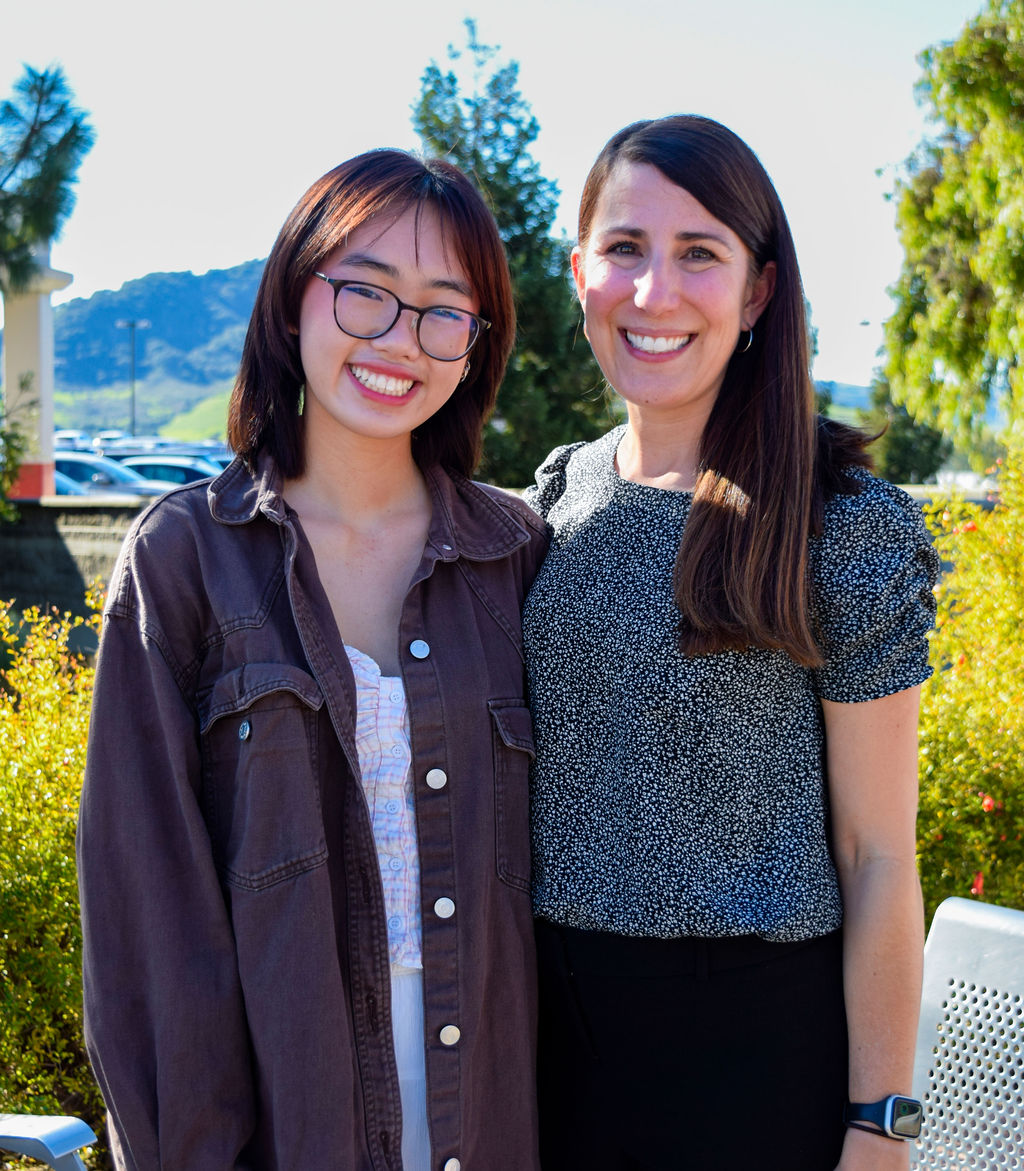
|
Probing the Surroundings of a Supermassive Black Hole |
|
|
|
Noemi Corona Calvario (she/her/hers) BEACoN Mentee Computer Science Lizvette Villafaña (she/her/ella) BEACoN Mentor Physics |
|
Abstract Active Galactic Nuclei (AGN) are luminous centers of galaxies powered by the accretion of matter onto supermassive black holes. A key component of AGN is the broad-line region (BLR), whose structure and dynamics can be studied by forward modeling reverberation mapping datasets. CARAMEL uses Bayesian statistics to find parameters that best reproduce the observed data. We present modeling results for PG 2209+184 using data from the Lick AGN Monitoring Project in 2016. Our results indicate that the emission from the BLR is consistent with a thick disk ($\theta_o=29.1^\circ{}^{+11.0}_{-8.4}$ viewed at an inclination of $\theta_i=30.2^\circ{}^{+8.7}_{-6.9}$, with a black hole mass of $\log_{10} ({M_{\text{BH}}}/M_\odot)=7.53^{+0.19}_{-0.20}$. Lizvette's Testimony BEACoN has easily been one of the most meaningful experiences I've had at Cal Poly. After joining a research project outside of my field, I quickly learned not to let self-doubt prevent me from following my curiosity. The mentorship I received through BEACoN made a lasting impact on me both professionally and personally. My mentor consistently encouraged me to believe in myself and my abilities. Coming from a similar background, I saw a lot of myself in her, which made her guidance especially meaningful. I'm incredibly grateful for the people I've met and the growth I've experienced through this opportunity. |
|
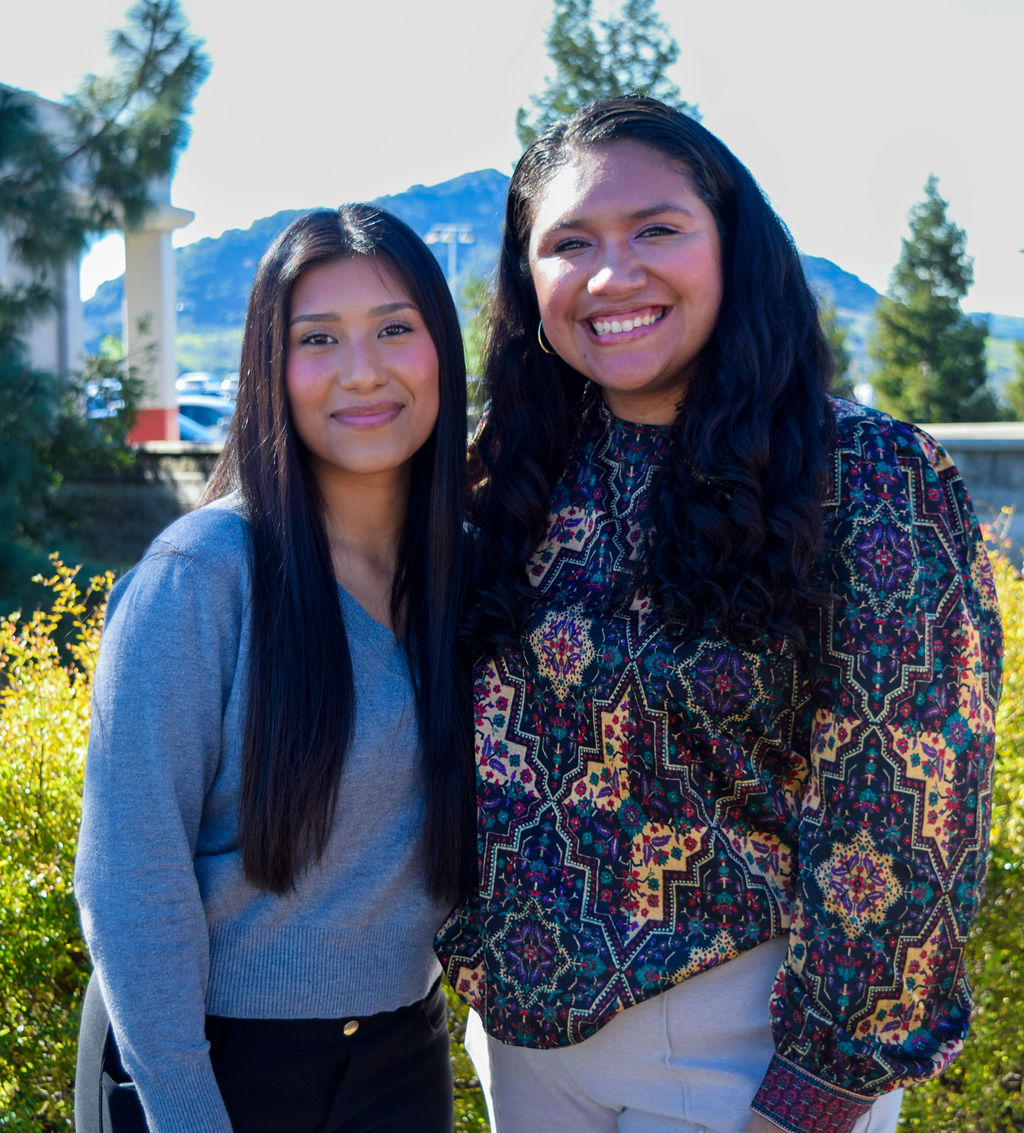
|
Trends in Particulate Matter (PM2.5) Levels from 2017 to 2023 Across California Counties |
|
|
|
Vanessa Puentes (she/her) BEACoN Mentee Public Health Dr. Erika Meza (she/her/ella) BEACoN Mentor Kinesiology and Public Health |
|
Abstract Particulate matter (PM2.5) consists of small particles that invade one's lungs and bloodstream, causing adverse health outcomes. While urbanization may increase PM2.5 levels in large California counties, little is known about smaller counties. We focus on PM2.5 levels in 58 California Counties from 2017-2023, using data from the Public Health Institute. We hypothesize an increase in PM2.5 levels. Results showed some counties with high PM2.5 levels while having low population sizes, indicating important health implications. Future work will look more closely at sources of PM2.5 across California Counties. Vanessa's Testimony BEACoN has broadened my research knowledge beyond my imagination. I had the amazing privilege of working with Dr. Meza and an amazing team. Her mentoring, along with our collaboration, pushed and strengthened my abilities. I improved my ability to analyze and break down research articles, create graphs and data tables within Excel, and use available data to support my findings. This BEACoN experience has even motivated me to continue research with Dr. Meza in the summer. This program was eye opening and has made me a better researcher, team player, and student. |
|

|
Sleep & Eating: The Effects of Sleep on Confidence in Weight Loss Goals and Dietary Lapse |
|
|
|
Hannah Miller (she/her) BEACoN Mentee Kinesiology, Minor in Spanish Selene Tobin (she/her/hers) BEACoN Mentor Kinesiology and Public Health |
|
Abstract Obesity is a major public health issue, affecting around 40% of Americans. Behavioral weight loss programs are an effective treatment. Success in these programs are contingent on eating and exercise decisions, which are both heavily impacted by mental state and sleep habits. The aim of this study is to understand the relationship between sleep, confidence, and dietary lapse using 10 days of Ecological Momentary Assessment (EMA) texts at baseline and post of a remotely delivered behavioral weight loss program. Hannah's Testimony My time in the BEACoN program has been incredibly educational and rewarding. It gave me the chance to begin my research experience in a supportive environment with an abundance of resources. Being able to work directly with my research mentor, Dr. Tobin, has been especially amazing. She has been a great guide to getting started in research and has allowed me to explore my interests in the field and design my own research question. I also really enjoyed the opportunities to connect with other students and faculty working in research. BEACoN has fostered my enthusiasm for pursuing research and I am so grateful to have been a part of it! |
|
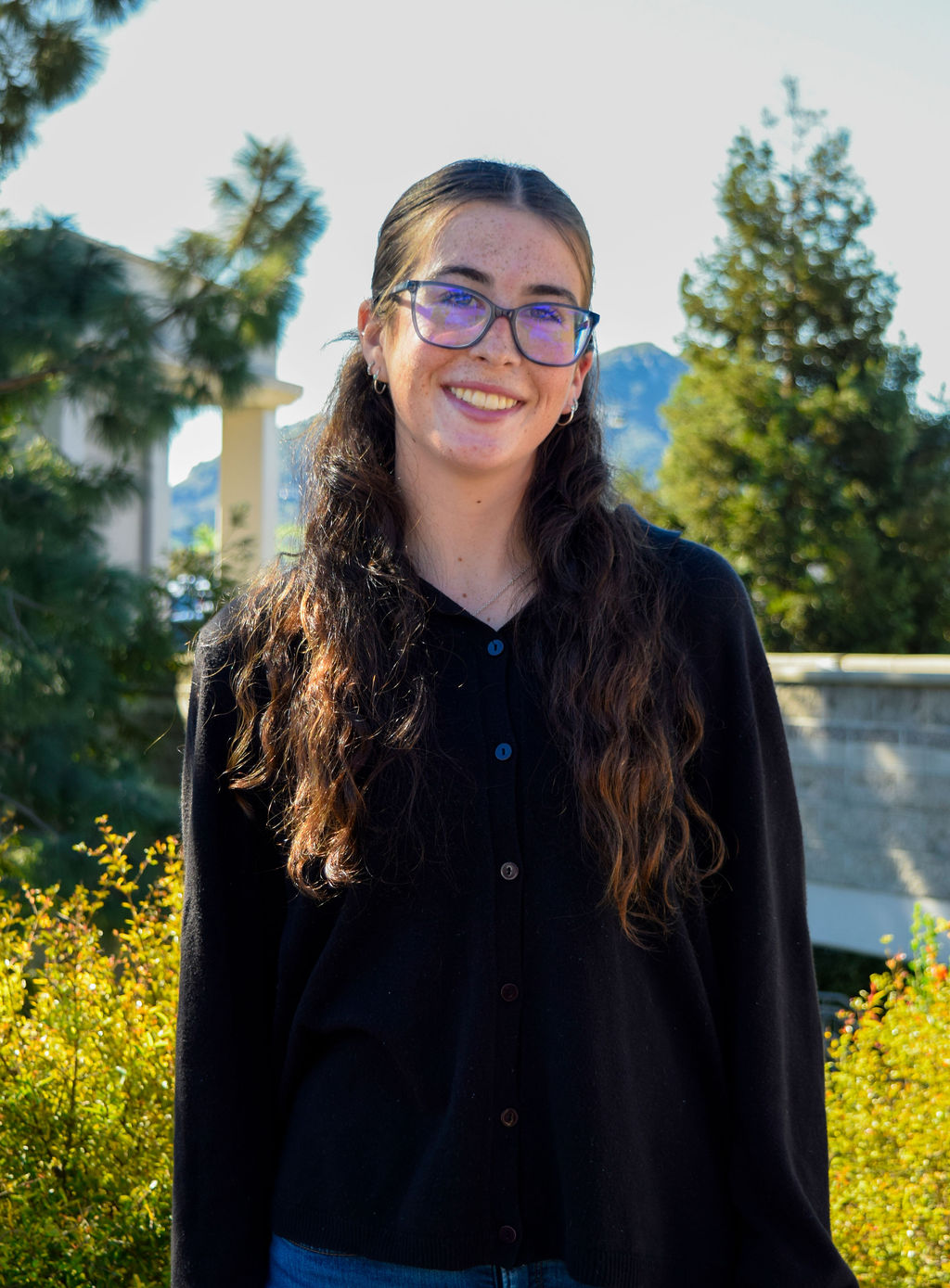
|
Exploring the Feasibility of Incorporating Generative AI into Campus Health Messaging |
|
|
|
Bowie Cowan (she/her/hers) BEACoN Mentee Public Health Katharine Jenna Santilena (she/her/hers) BEACoN Mentor Kinesiology and Public Health |
|
Abstract Nicotine pouch use is rising among college students. Generative artificial intelligence (AI) may help tailor campus health messaging; however, health educator perspectives of using AI within their work are unclear. This study examines the usability, feasibility, and likability of AI for nicotine prevention messaging. Phase 1 included focus groups with student peer educators (n=18) who used ChatGPT and Canva Pro AI to create flyers. A thematic analysis revealed focus groups indicated preference for human-created content. Phase 2 involves student intercept interviews comparing AI and human-generated flyers. Further research should explore the feasibility of other AI programs for health messaging. Bowie's Testimony BEACoN has been an incredibly rewarding experience that has connected me with passionate, like-minded people as well as providing me with valuable resources and opportunities for growth. Through hands-on research experience, including focus groups, survey collection and manuscript writing; I've gained skills and confidence that have given me a strong foundation for my professional career. I am so grateful to my mentor and for the BEACoN program for providing me with such opportunities! |
|
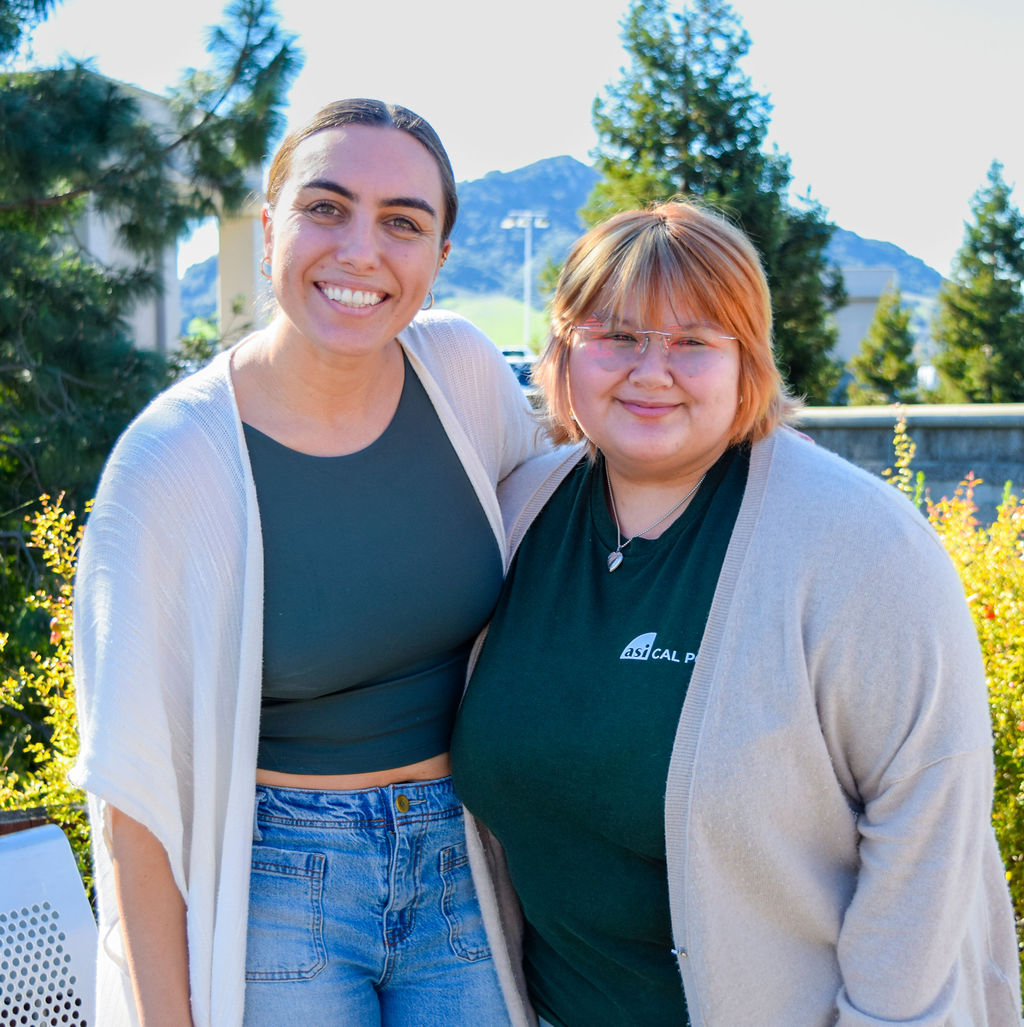
Robert E. Kennedy Library
|
Exploring Global Perspectives on User Experience: A Case Study of User Experience Practices Across Cultures and Academic Libraries |
|
|
|
Caitlyn Chailitilerd (she/her) BEACoN Mentee Graphic Communication with a concentration in User Experience Danielle Daugherty (she/her/hers) BEACoN Mentor Digital Experiences and Engagement Librarian |
|
Abstract This research project questions how United States-based professionals can redefine successful user experience (UX) by incorporating global perspectives and applying those insights within academic libraries. Focusing on the United States, Japan, Denmark, and Brazil, the study uses a two-phase approach: an online survey to gather broad insights and semi-structured interviews to explore emerging themes in depth. Findings reveal limited networking pathways for international practitioners, shared structural UX methodologies, and cultural factors that shape how UX is defined, implemented, and evaluated. These insights are synthesized into a preliminary framework for applying globally informed UX principles to improve U.S. academic library experiences. Caitlyn's Testimony Working on this research project with my advisor has been an enriching learning experience. I've gained valuable knowledge and seen meaningful progress since the start of the program. Although we encountered unforeseen challenges, we adapted quickly and achieved findings that furthered our project's progress. Through this process, I learned how to creatively solve problems, conduct research effectively, and explore topics closely aligned with my interests. It's been fascinating to examine our project deeply and better understand our target users' perspectives. Overall, I am excited to see how this work continues to develop beyond the BEACoN program in meaningful ways ahead. |
|
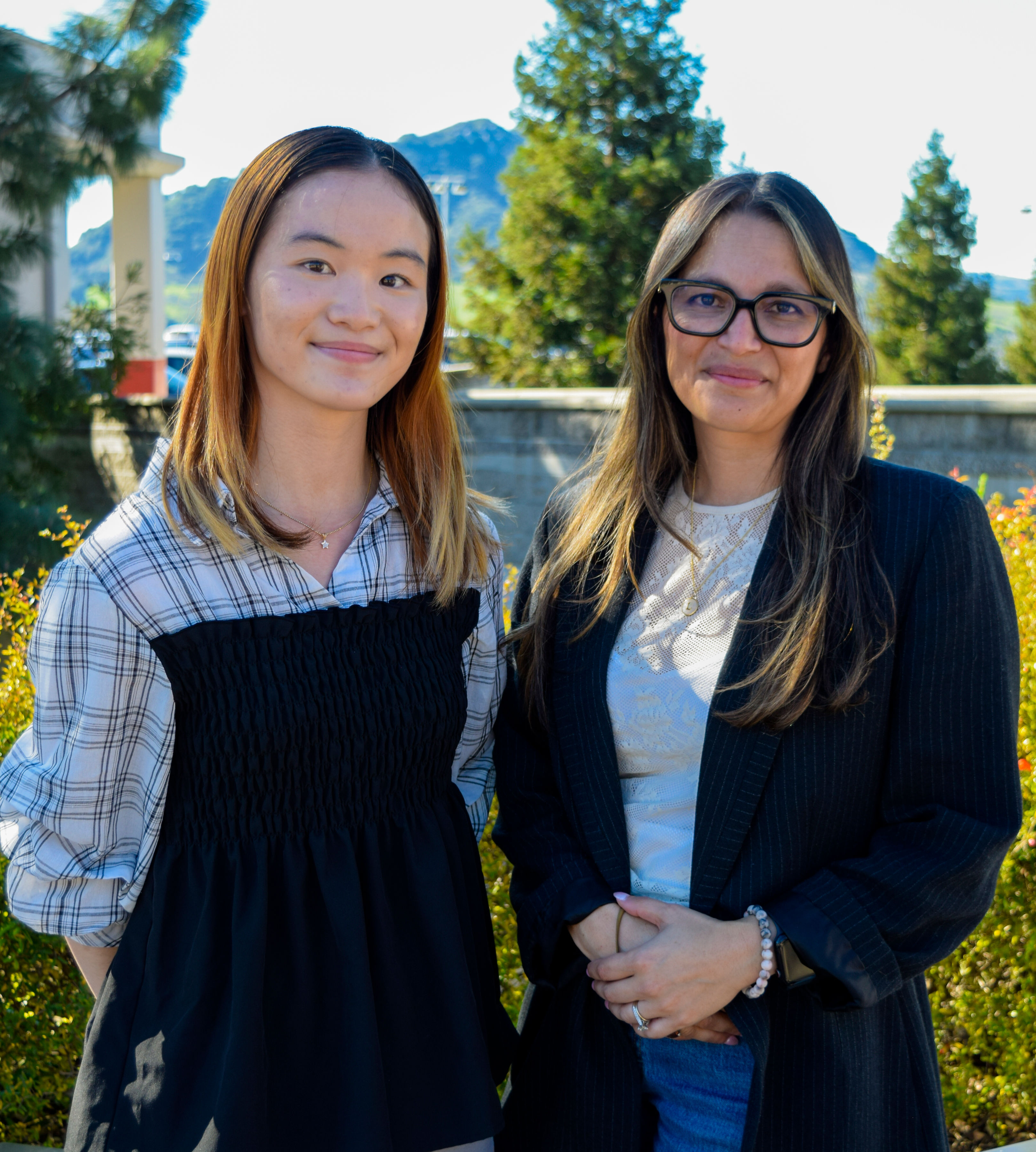
|
Supporting Neurodivergent Student Success in the Kennedy Library: Experiences, Barriers, & Recommendations for Improvement |
|
|
|
Anagha Kulkarni (any pronouns) BEACoN Mentee Graphic Communication Mercedes Rutherford-Patten (she/her/hers/they/them) BEACoN Mentor Academic Services, Robert E. Kennedy Library |
|
Abstract This project examines how neurodivergent students experience the spaces and services of the Robert E. Kennedy Library post-renovation. Using an anonymous survey and semi-structured interviews, it translates student perspectives into actionable recommendations for quiet zones, sensory-friendly environments, signage, and staff training. Notably, the study adopts a self-identification approach, allowing participants to identify as neurodivergent without formal diagnosis or disclosure. Key themes include sensory challenges, wayfinding difficulties, and the importance of ergonomics, environmental control, and low-stimulation spaces. This research contributes to neuro-inclusive design in higher education by centering lived experiences often excluded from diagnosis-based studies. Anagha's Testimony One of the most meaningful parts of my BEACoN experience has been leading a project focused on supporting neurodivergent students. As a low-income, neurodivergent woman of color at a PWI, I often felt unseen and like I didn't belong in college. This work has allowed me to help create meaningful change and become the kind of person I wish I had when I first entered college. Additionally, my mentor made me feel genuinely supported, understood, and valued. She always respected my needs and created an environment where I never felt judged for who I am. |
|
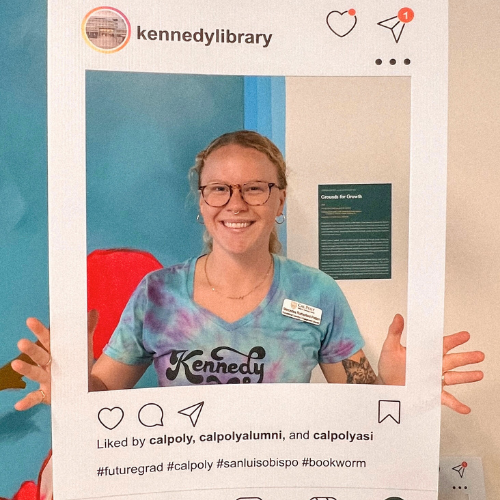
|
Limits of Classification: Rethinking How Knowledge is Organized | Crosslisted under College of Liberal Arts |
|
|
|
Mylina Megino (she/her) BEACoN Mentee Economics Kennedy Ray (she/her) BEACoN Mentee Graphic Design Kyle Tanaka (he/him/his) BEACoN Mentor Kennedy Library Jayme Yen (she/her/hers) BEACoN Mentor Art and Design |
|
Abstract Libraries and search engines are examples of networks usually understood as neutral spaces for accessing knowledge. However, these systems rely on metadata and classification structures rooted in historically Western, colonizer perspectives, which can obscure overlooked, alternative ways of knowing. This project aims to critique these networks as sites of power and introduce restorative metadata as a more inclusive approach. With our physical and digital exhibition, we hope visitors can critically reflect on how structures influence and limit the knowledge they encounter, and instead introduce better processes. Mylina's Testimony As a BEACoN Research Scholar, I've been able to explore unconventional perspectives beyond my primary study of Economics. Working with Professor Kyle Tanaka and Jayme Yen helped me better understand how metadata can be improved and how these insights can be communicated more accessibly to diverse audiences. This project continues to deepen my passions for advancing inclusive practices, particularly for marginalized communities, like my own, within a PWI setting. BEACON has been a valuable addition to my first year, a great example of Cal Poly's hands-on learning, and I would recommend it to anyone interested in research! Kennedy's Testimony Through the BEACoN Research Program I've been able to deeply explore how information is categorized or read across social, cultural and political spheres. This research has been eye-opening as a Graphic Design major whos primary responsibility is to understand how audiences assign meaning, and how that can help me communicate visually. With the guidance of Professor Kyle Tanaka and Jayme Yen, I've been able to understand how reparative metadata is essential for deconstructing western systems of categorization in order to improve the ways in which people gather information. |
|