Translate
2027 BEACoN Research Projects
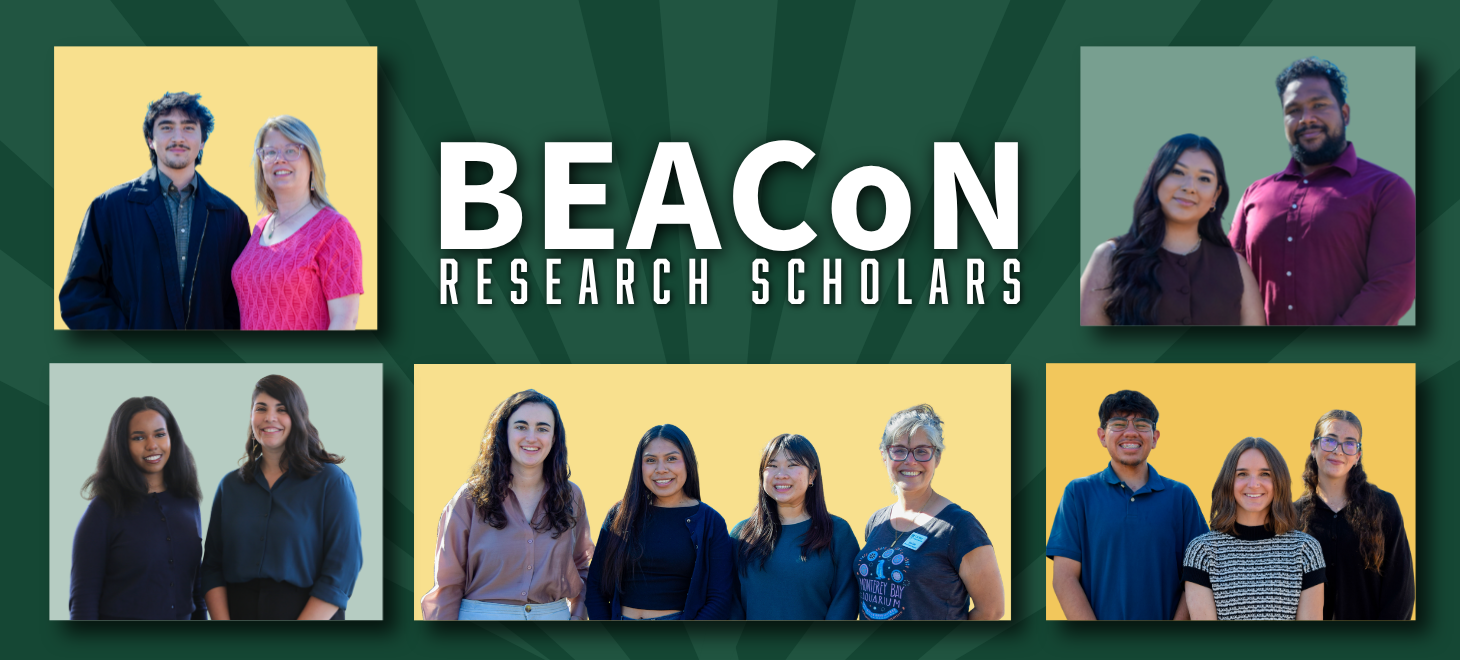
BEACoN Stands for Believe, Educate & Empower, Advocate, Collaborate, Nurture and is a program run by Culture and Institutional Excellence (CIX). Centering underrepresented students, but open to all undergraduates, BEACoN seeks to make research accessible, providing students with funded research opportunities working with faculty mentors. Selected students will work with their faculty mentors during the final 5 weeks of Fall semester, and all of Spring semester (~10 hrs/week) and receive a $4,000 financial aid award ($1,000 in Fall, $3,000 in Spring).
CIX hosts meetings and workshops that allow BEACoN Scholars to build community with one another. We also work with students to build professional development skills and provide them with a safe space to share ideas and experiences with their peers and mentors.
At the end of the year, the program concludes with the BEACoN Research Symposium, where scholars and their mentors present a poster of their research to the campus community and supporters to celebrate their achievements. For questions, contact beacon@calpoly.edu.
Timeline
September 21 — Applications Open
September 25 — BEACoN Booth in UU Plaza 11am-1pm
September 30 — BEACoN Booth in UU Plaza 12-1:30pm
October 1 — BEACoN Booth in UU Plaza 11am-1pm
October 2 — BEACoN Interest Mixer + Application Workshop [RSVP] in Bldg. 15 11am-1pm
October 5 — Applications Close
October 26 — BEACoN Applicant Selection
October 30 — BEACoN Kickoff in the Advanced Technologies Lab (Bldg. 007) 10am-1pm
November 2 — Fall Research Projects Begin
View Projects by College
College of Agriculture, Food and Environmental Sciences (CAFES)
Quantifying Soil Erosion to Aid Restoration Monitoring in Coastal Grasslands | Yamina Pressler
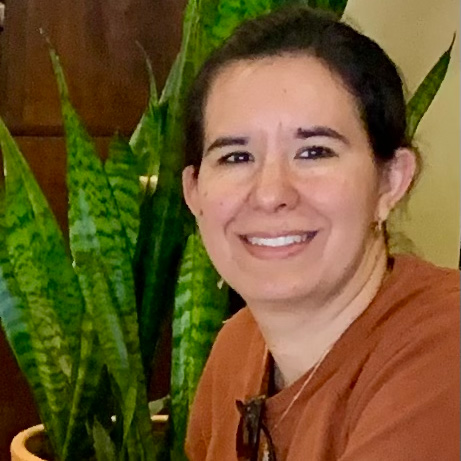
Making Sense of Phenomenon-Driven Instruction in Agriscience: Teacher Perspectives Across Levels of Self-Efficacy | Nicole Ray
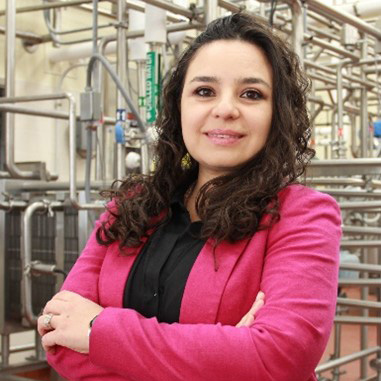
Creating Better Reduced-Lactose Mexican Fresh Cheese | Milena Ramirez-Rodrigues
College of Architecture and Environmental Design (CAED)
College of Engineering (CENG)
Who Feels Like an Engineer? A Quantitative Analysis of Engineering Identity and Sense of Belonging Across Academic Majors and Demographic Groups | Puneet Agarwal
Using Data Science and Network Analysis to Model an Engineering Curriculum | Megan Chan
Explaining Bounded-Suboptimal Search Through Heuristic Error Landscapes | Kirk Duran
Using Deep Learning Models to Reveal Insights into Understudied Diseases | Borislav Hristov
Interactive Building Energy Explorer: Evaluating Accessible Visualizations for Energy Literacy | Irene Humer
Support Structures for Equitable Student Success: Evaluating the Effectiveness of an Engineering Pre-Calculus Lab Course on First-Year Engineering Student Success | Nicole Johnson-Glauch
Designing Interactive Extended Reality Visualizations for Safety and Accessibility Guidance | Fahim Khan
Developing an Affordable Passive Thermosyphon Cooling System for Climate-Vulnerable Communities | Hyun Jin Kim
Hidden Connections: Exploring Ecological Networks Through Network Science | Theresa Migler
Engineered Tissue Models for Sex-Specific Variations in Cardiac Tissue Matrix Remodeling | Luke Perreault
AI-Enabled Human–Robot Collaboration through Brain–Computer Interfaces | Javier Gonzalez-Sanchez and Rafael Guerra Silva
Revolutionizing Engineering Departments: Computer Engineering's Breaking the Binary | Andrea Schuman, Jane Lehr, Lynne Slivovsky, Sachiko Matsumoto, John Oliver, Carlos Diaz Alvarenga, Bruce DeBuhl, and Andrew Danowitz
Cardiovascular Disease (CVD) Health Care Disparities and the Importance of Early Detection of CVD | Michael Whitt
College of Liberal Arts (CLA)
Neural and Physiological Effects of Parlay Bets in Sports | James Antony
Negotiating Race and Ethnicity in K-pop | Alison Cheung
The Dangerous Gatherings Project: Black Musical Performance, Public Memory, and Racial Violence | Dallas Donnell
Examining the Efficacy of a Public Mental Health Education and Suicide Prevention Program in Adolescents and Young Adults | Natasha Duell
Collaborative Curatorial Practice for Community-Based Mutual Aid | Elizabeth Folk and Marco Polo Juárez Cruz
Barriers to Civic Participation in San Luis Obispo County: Understanding Access, Representation and Community Engagement | Annie Aguiñiga Frew
"mah tongue is in mah friend’s mouf": Exploring Black Friendship at Cal Poly & Beyond | Maya Hislop
The Global AI Opportunity Gap: Access, Equity, and Environmental Cost Across Higher Education Systems | Alexa Loken
Advancing Today’s Movements by Learning from the Late 20th Century: The Life and Legacy of Merle Woo | Maggie Mang
California Heritage Virtual Museum – Community Input and User Experience (UX) Assessment | Elizabeth Minor
“Is Life Precious Here?” Relational Embodiment of Care as a Transformative Change Practice in Care Work Settings | Daniel Rodriguez
Creativity Within Reason: Developing a Tool to Probe Children’s Evaluation of Creative Ideas | Julie Vaisarova
Bailey College of Science and Mathematics (BCSM)
Postsecondary Pathways of the "Two or More Races" Population: A Critical Multiracial Spatial Analysis | Jacob Campbell
Breaking the Brakes: How the Loss of miR-34 Drives Cellular Aging and Cancer | Delaney Dann
A Derivatives-First Intervention in Calculus I: Improving Conceptual Understanding and Pass Rates Through Content Reordering | Saba Gerami
Developing New Methods to Detect Tiny Particles and Study Their Role in Host-Pathogen Interactions | Mallary Greenlee-Wacker
Using Mathematics, Artificial Intelligence, and Single-Cell Genomics to Understand Cell Fate Decisions | Meilin Huang
Building Community Capacity for Arts Education: Research, Relationship Building, and Advocacy | Crystal Mercado
Extreme Temperatures, Greenspace, and Brain Health among Older Adults in California. | Erika Meza
Fostering Transfer Student Belonging and Success | Rosie Ojeda
Development of cell-free expression systems toward to production of therapeutic proteins | Javin Oza
HPC for All: Making High-Performance Computing for Research Accessible at Cal Poly | Trevor Ruiz
Cultivating Connection: Campus Protective Factors That Foster Belonging, Well-Being, and Student Success | Rachel Smith
From Directed to Self-Determined Learning: Generative AI and Learner Agency | Andrea Somoza-Norton
Searching for New Physics Through the Higgs Boson Using Data From CERN's Large Hadron Collider | Jason Veatch
Probing the Surroundings of a Supermassive Black Hole | Lizvette Villafaña
Mathematical Modeling of Learning with AI Assistance and Digital Distraction | Tony Wong
Orfalea College of Business (OCOB)
Advancing Audio Material Accessibility for Postsecondary Students With ADHD, Dyslexia, and Dysgraphia | Benjamin Alexander
C-AI-R: Helping Students Build Career Agency, AI Fluency, and Responsible Reliance | Ashish Hingle and Yongcheng Zhan
The Global AI Opportunity Gap: Access, Equity, and Environmental Cost Across Higher Education Systems | Alexa Loken
AI-Enabled Human–Robot Collaboration through Brain–Computer Interfaces | Javier Gonzalez-Sanchez and Rafael Guerra Silva
College of Agriculture, Food and Environmental Sciences (CAFES)

|
Making Sense of Phenomenon-Driven Instruction in Agriscience: Teacher Perspectives Across Levels of Self-Efficacy |
|
|
|
Nicole Ray (she/her/hers) Agricultural Education and Communication |
|
Research Project Description This project will examine how secondary agriculture teachers develop and sustain confidence in using phenomenon-driven instruction in agriscience classrooms. Agriculture offers a powerful context for science learning because students can investigate real-world systems, local problems, and observable events connected to food, fiber, natural resources, animals, plants, and environmental systems. When implemented well, phenomenon-driven instruction can support culturally relevant, rigorous learning by connecting content to students' lived experiences, leveraging community and cultural assets, and helping students use their own questions and observations to make sense of complex agricultural and scientific ideas. However, many teachers need support moving from recognizing an interesting agricultural example to using a phenomenon to drive learning activities, sensemaking, and assessment. Understanding how teachers build confidence with this approach matters because phenomenon-driven instruction can make agriscience more relevant, support student curiosity, and connect classroom content to students' communities and future careers.
Research Scholar's role in the Project The BEACoN Research Scholar will lead, with support, key components of a mixed-methods follow-up study focused on agriculture teachers' confidence and implementation of phenomenon-driven instruction. The scholar will be expected to:
Skills the Research Scholar will Gain The BEACoN Research Scholar will gain applied social science research skills through a mixed-methods study of agriculture teachers' confidence and implementation of phenomenon-driven instruction. These skills are useful for graduate study, education, extension, nonprofit work, industry, program evaluation, and other careers that require evidence-based decision-making.
Through this project, the scholar will learn how social science research can be used to understand professional learning, improve educational programs, and support more relevant and rigorous learning experiences in agriscience classrooms.
Required Courses/Experience No prior research experience is required.
Preferred Courses/Experience Preferred experiences or coursework include:
Students do not need to be agriculture majors. A good fit would be a student who is curious about how people learn, how teachers develop confidence, and how research can be used to improve educational programs.
|
|

|
Creating Better Reduced-Lactose Mexican Fresh Cheese |
|
|
|
Milena Ramirez-Rodrigues (she/her/hers) Food Science and Nutrition
Carmen Licon-Cano (she/her/hers)
|
|
Research Project Description Lactose intolerance affects more than one-third of the U.S. population, creating a growing demand for dairy products that are easier to digest without compromising quality. At the same time, the dairy industry is seeking innovative processing technologies that improve product quality, extend shelf life, and reduce food waste. This project will investigate how reducing the lactose content of milk through diafiltration, an advanced membrane filtration technology, influences the composition, quality, flavor, and storage stability of Mexican fresh cheese. Because diafiltration removes lactose while concentrating proteins, it has the potential to produce a cheese with improved nutritional value and functional properties. However, these changes may also affect texture, flavor, and shelf life, making it essential to understand how the technology influences the final product before it can be adopted by the dairy industry.
Research Scholar's role in the Project The BEACoN Research Scholar will be actively involved in multiple stages of the project, from cheese manufacture to product evaluation and data interpretation. The student will assist with pilot-scale production of reduced-lactose Mexican fresh cheese using milk treatments with different lactose concentrations, including control milk, diafiltered milk, and lactose-free milk produced through enzymatic hydrolysis. During cheese manufacture, the student will help prepare milk treatments, monitor processing conditions, assist with coagulation, curd cutting, whey drainage, salting, molding, packaging, and refrigerated storage.
Skills the Research Scholar will Gain The BEACoN Research Scholar will develop a broad range of technical, analytical, and professional skills through hands-on participation in an applied food science research project. The student will gain experience in dairy processing by manufacturing pilot-scale Mexican fresh cheese and will learn laboratory techniques commonly used to evaluate food quality, including measurements of composition, pH, water activity, texture, color, and microbial quality. The student will also be introduced to analytical methods used to characterize volatile flavor compounds and will participate in sensory evaluation to assess consumer perception of cheese quality. These experiences will provide practical training in food chemistry, microbiology, and sensory science while exposing the student to the operation of pilot-scale food processing equipment and modern analytical instrumentation.
Required Courses/Experience Candidates should have an interest in food science, dairy products, and laboratory work, as well as proficiency in reading, writing, speaking, organization, and the ability to carefully follow laboratory protocols and work effectively as part of a research team.
Preferred Courses/Experience Preferred preparation includes coursework or experience in food science, dairy science, food chemistry, microbiology, sensory evaluation, statistics, or basic laboratory techniques.
|
|
College of Architecture and Environmental Design (CAED)
|
Toward Structure-Informed Design: An Open Source Platform for Form, Material, and Fabrication |
|
|
|
Hua Chai (he/him) Department of Architecture
|
|
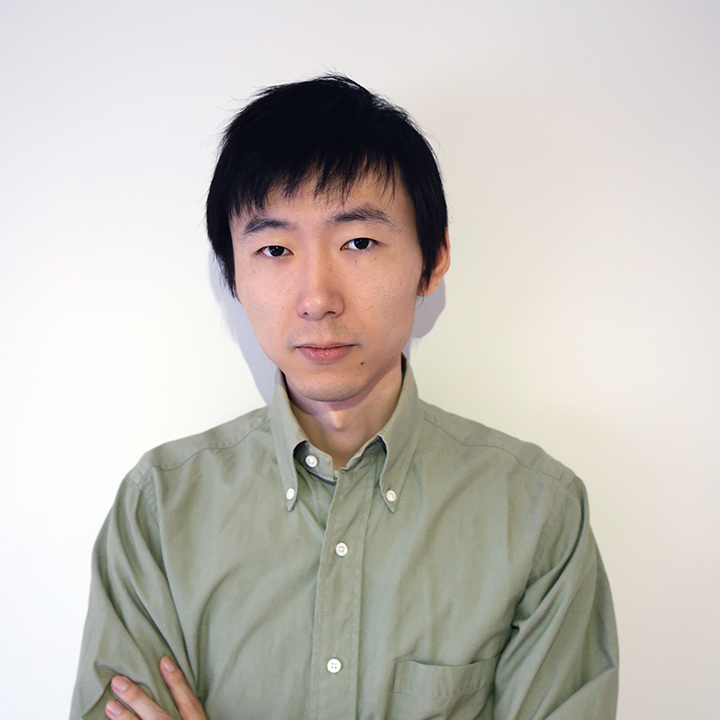
Research Project Description Every structure has to stand up, but the choices that decide how efficiently it does so are usually made late, after the shape is already locked in. This project starts from a different question: what if a designer could explore structurally efficient forms from the very first sketch, and immediately see how those forms could actually be built with real materials and real connections? We are developing a free, web-based tool that lets designers "find" efficient structural shapes using a visual, geometry-based method, then links those shapes directly to material choices and fabrication-ready details for tools like CNC routers, welders, and 3D printers. The goal is to bring form, material, and fabrication together from the start, instead of treating them as separate steps.
Research Scholar's role in the Project The BEACoN Research Scholar will be a hands-on contributor to the phases, including the design, fabrication, and structural testing of physical joint specimens, and the documentation of that work into a publicly shared catalog. Their involvement spans the full research cycle, from making things in the shop to interpreting data, and is structured to grow in independence over the year.
Skills the Research Scholar will Gain
Required Courses/Experience The project is a natural fit for students in Architecture (ARCH) or Architectural Engineering (ARCE), but is open to students from other majors, including Computer Science, Mechanical or Civil Engineering, or others, who are drawn to the making, testing, or computational sides of the work. Students who have completed a design studio, an introductory structures course, or any hands-on fabrication or shop experience will find some of the tasks familiar, and students with any programming or data experience may take on more of the dataset and platform-evaluation work. What matters most is genuine interest in structural design, digital fabrication, computation, or their overlap, along with reliability, curiosity, and a willingness to learn hands-on in shop and lab settings.
Preferred Courses/Experience
|
|
|
Drawing Collective Practice: Recovering Inclusive Histories of Participatory Urbanism |
|
|
|
Gonzalo José López Garrido (he/him) Architecture
|
|
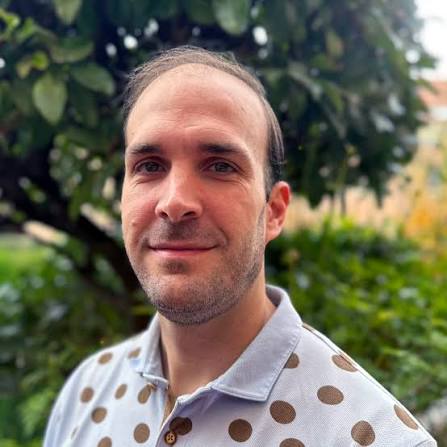
Research Project Description How can drawings help make participation more visible, inclusive, and actionable? "Drawing Collective Practice" explores how visual methods can be used to document, analyze, and communicate participatory design practices.
Research Scholar's role in the Project The BEACoN Research Scholar will work collaboratively with another undergraduate researcher supported through the CAED Teacher-Scholar Award.
Together, they will contribute to the project's visual and archival research while assuming complementary responsibilities. The BEACoN student will focus on archival research, literature review, interview preparation, transcription, and the development of diagrams and historical maps, while collaborating on the synthesis of research findings and preparation of materials for publication and public presentation.
Working within a small research team will expose the student to collaborative research practices, peer learning, and interdisciplinary workflows that mirror professional and academic research environments. By joining an active research project already under contract for publication, the student will gain first-hand experience of the complete research lifecycle—from archival investigation and visual analysis to manuscript development, editorial revision, and scholarly dissemination.
Skills the Research Scholar will Gain The student will gain experience in design-based research, archival research, qualitative analysis, and visual communication. They will learn how to organize and interpret historical material, synthesize interview content, and translate complex social and institutional processes into diagrams and maps. They will also develop skills in visual storytelling, research documentation, and critical analysis of participatory design practices.
In addition, the student will gain experience with research workflows such as source management, annotation, diagram iteration, and preparing material for public presentation. Depending on their background, they may use tools such as Adobe Illustrator, InDesign, Photoshop, GIS-based mapping platforms, or other visual production software. More broadly, the student will learn how design research can engage questions of equity, community agency, and inclusive knowledge production.
Required Courses/Experience No prior research experience is required. The student should have an interest in design, cities, representation, community engagement, or social equity in the built environment. They should be willing to work independently, participate in regular meetings, and develop visual and written research materials over time.
Preferred Courses/Experience Preferred experience includes coursework or interest in architecture, planning, landscape architecture, ethnic studies, geography, urban studies, history/theory, or design representation.
|
|
College of Engineering (CENG)
|
Who Feels Like an Engineer? A Quantitative Analysis of Engineering Identity and Sense of Belonging Across Academic Majors and Demographic Groups |
|
|
|
Puneet Agarwal (he/him/his) Industrial and Manufacturing Engineering |
|
Research Project Description Engineering is about more than solving technical problems, it is also about developing the confidence to see yourself as an engineer and feeling that you belong within the engineering community. Research has shown that students who develop a strong engineering identity and a sense of belonging are more likely to persist in their degree programs and pursue engineering careers. However, these experiences can vary across academic majors, class standing, gender, and other demographic backgrounds. This project investigates how engineering students experience identity and belonging, with the goal of understanding the factors that foster student success, retention, and inclusion across engineering disciplines.
Research Scholar's role in the Project The BEACoN Research Scholar will play an active role in this engineering education research project by investigating how engineering students develop a sense of engineering identity and belonging, and how these experiences vary across majors, academic levels, gender, race/ethnicity, and other demographic groups. The student will help clean and organize survey data, conduct descriptive and statistical analyses, create tables and data visualizations, and interpret research findings. The student will also analyze open-ended survey responses to identify themes related to belonging, inclusion, faculty support, peer relationships, student organizations, and departmental culture.
Skills the Research Scholar will Gain The BEACoN Research Scholar will develop a broad set of research, analytical, programming, and communication skills. The student will gain experience in:
Required Courses/Experience Applicants should have completed at least one undergraduate course in statistics, data analytics, programming (preferably Python), or a related quantitative subject. Students should have basic computer skills, be comfortable working with data, and demonstrate strong analytical thinking, attention to detail, and a willingness to learn new research methods and software. An interest in engineering education, data analysis, and writing a peer-reviewed research paper is required, as the student will actively contribute to the preparation of a journal manuscript.
Preferred Courses/Experience Preference will be given to students who have completed coursework in statistics, data science, machine learning, or data analytics. Experience using Python (e.g., Pandas, NumPy, Matplotlib, SciPy, and Statsmodels) for data analysis, as well as familiarity with statistical software (e.g., R, SPSS, or JMP), is desirable. Experience with survey research, qualitative data analysis, literature reviews, scientific writing, or data visualization is also beneficial.
|
|
|
Using Data Science and Network Analysis to Model an Engineering Curriculum |
|
|
|
Megan Chan (she/her/hers) Industrial and Manufacturing Engineering
|
|
Research Project Description Have you ever tried to plan your courses using a flowchart that doesn't match your reality? Maybe a required course was full, you came in with AP credits, or you switched majors — and suddenly the "official" four-year plan didn't fit. You're not alone: most students' actual paths through their degree look different from the path on paper, and those detours can cost real time and money. Yet universities have surprisingly few tools for seeing how students actually move through their programs, or for using that knowledge to help the next student.
Research Scholar's Role in the Project The BEACoN Research Scholar will take ownership of building a curriculum data pipeline and network representation for one Cal Poly degree program, progressing through four phases: (1) data extraction and standardization, (2) network construction, (3) visualization, and (4) documentation and dissemination. Phases 1–2 will occupy the final five weeks of fall semester; phases 3–4 will span spring semester.
Skills the Research Scholar will Gain Data management: The scholar will extract, clean, and standardize curricular data from public catalogs and schedules using tools such as the Python pandas library, learning reproducible data-preparation practices including documentation and version control (i.e., Git).
Required Courses/Experience Completion of at least one programming course, in any language — e.g., CSC 1001 (Fundamentals of Computer Science), CSC 1032 (Programming for Scientists and Engineers), or equivalent. Comfort writing and debugging basic scripts.
Preferred Courses/Experience Experience manipulating tabular data (e.g., data frames in Python or R), such as through IME 2212 (Introduction to Enterprise Analytics and Database Systems) or CSC 2600 (Computing with Data). Interest or coursework in networks, data visualization, human-computer interaction, or building interactive dashboards.
|
|

|
Explaining Bounded-Suboptimal Search Through Heuristic Error Landscapes |
|
|
|
Kirk Duran(he/him) Computer Science & Software Engineering |
|
Research Project Description Heuristic search algorithms are used in artificial intelligence to solve problems with many possible paths, such as puzzles, planning, navigation, scheduling, and robotics. These algorithms rely on heuristics, or educated guesses, to decide which paths are worth exploring. In this project, the student will create a detailed "heuristic error map" for the 3x3 sliding tile puzzle by comparing the Manhattan distance heuristic to the true optimal distance from each puzzle state to the goal. This map will help show when the heuristic is accurate, when it underestimates difficulty, and when it may mislead a search algorithm.
Research Scholar's role in the Project The BEACoN Research Scholar will help carry out the project's experimental workflow from setup through final presentation. The student will use Python to represent 3x3 sliding tile puzzle states, generate valid puzzle configurations, compute Manhattan distance values, and organize the true optimal distance to the goal for each state. The student will use these values to build a heuristic error dataset, where each puzzle state is labeled with its true distance, Manhattan distance, and heuristic error.
Skills the Research Scholar will Gain The BEACoN Research Scholar will gain practical research skills in artificial intelligence, algorithm analysis, experimental design, data analysis, and technical communication.
Required Courses/Experience Interest in artificial intelligence, algorithms, or problem solving
Preferred Courses/Experience Experience in artificial intelligence research
|
|

|
Using Deep Learning Models to Reveal Insights into Understudied Diseases |
|
|
|
Borislav Hristov (he/him/his) Computer Science and Software Engineering |
|
Research Project Description The rapid advancement of artificial intelligence and deep learning has dramatically reshaped the way biomedical research is conducted. Today, billion-parameter deep learning models are being trained to predict protein binding sites, identify functional genomic elements, and evaluate the efficacy of synthetic drugs. Yet, this technological progress has not been equitably distributed. Malaria, for example, is a mosquito-borne infectious disease caused by Plasmodium parasites and is responsible for more than half a million deaths each year, the vast majority of which occur in sub-Saharan Africa. Despite this burden, research on malaria remains underfunded, while many computational resources continue to be concentrated on medical challenges most relevant to North America and Europe.
Research Scholar's role in the Project The student will play a pivotal role in multiple phases throughout the entire research process. Their responsibilities will include:
This role will provide the student with valuable hands-on experience in the entire research cycle, from initial development and data collection to the presentation of results, thereby equipping them with essential skills for future research endeavors.
Skills the Research Scholar will Gain Undergraduate participants will gain hands-on experience in key areas of bioinformatics research, such as:
Through this project, students will gain practical expertise in programming and running large scale computational pipelines, working with massive biological datasets, and utilizing debugging tools in a supercomputer. By implementing and refining deep learning algorithms for modeling the effects of 3D DNA changes in disease, they will engage in effective research techniques. Furthermore, collaboration via GitHub and regular practice presentations will enhance their ability to work effectively in a team and communicate results clearly.
Required Courses/Experience
Students with experience in quantitative research methods, data analysis, or academic writing will be well-positioned to succeed, but I am also open to mentoring motivated students eager to develop these skills throughout the project. The scholar should also be comfortable engaging with academic literature, communicating thoughtfully, and working both independently and collaboratively.
Preferred Courses/Experience
Preferred coursework or gained experience in areas related to deep learning, artificial intelligence, bioinformatics and data analysis.
|
|
|
Interactive Building Energy Explorer: Evaluating Accessible Visualizations for Energy Literacy |
|
|
Irene Humer Computer Science and Software Engineering |
|
|
Research Project Description Buildings use energy in ways that are often difficult to see directly. Choices about insulation, windows, shading, foundation type, heating, cooling, and everyday use patterns can affect both indoor comfort and energy demand, but these relationships are often hidden behind technical models or engineering calculations. This project will develop and evaluate an Interactive Building Energy Explorer: a web-based visualization tool that helps students and non-expert users explore how building choices affect comfort, efficiency, and responsible energy use.
Research Scholar's role in the Project The BEACoN Research Scholar(s) will contribute to the design, implementation, testing, and evaluation of an interactive scientific-computing tool for energy literacy. The project has two major technical components: a simplified building-energy simulation model and an interactive web-based visualization interface.
Skills the Research Scholar will Gain The BEACoN Research Scholar(s) will gain experience in scientific computing, numerical modeling, web-based visualization, interface design, user-study design, data analysis, and research communication. Depending on the student’s role, one student may focus more deeply on the computational modeling side, while another may focus more deeply on the visualization and web-development side. If only one student is matched, the project will be scaled so that the student gains experience with a manageable combination of these skills.
Required Courses/Experience No prior research experience is required. The student should have completed at least one introductory programming course, or have equivalent experience with basic programming concepts such as variables, loops, functions, conditionals, and working with data. The student should also have an interest in computing, visualization, sustainability, scientific modeling, education, or public-facing technology, and a willingness to learn new technical skills. The project will include structured onboarding and can be adapted to the student’s preparation.
Preferred Courses/Experience Preferred but not required experiences include coursework or experience in Python, JavaScript, web development, data visualization, numerical methods, physics, engineering, environmental studies, sustainability, human-computer interaction, software engineering, or statistics. Coursework in data structures, scientific computing, object-oriented programming, front-end development, or human-centered design would be useful, but is not required. Experience with Jupyter notebooks, plotting libraries, surveys, usability testing, or basic heat-transfer and energy concepts would also be helpful.
|
|
|
Support Structures for Equitable Student Success: Evaluating the Effectiveness of an Engineering Pre-Calculus Lab Course on First-Year Engineering Student Success |
|
|
|
Nicole Johnson-Glauch (she/her/hers) Materials Engineering |
|
Research Project Description We invite you to join a project that helps Cal Poly support engineering students in their first year by evaluating the effectiveness of an Engineering Pre-Calculus Lab course (ENGR 2271) designed to support students enrolled in pre-calculus. Engineering programs are designed with the assumption that students will start in Calculus I. However, students enter with different levels of mathematics preparation. These differences in preparation can create additional barriers for students in their first year that may lead to delayed graduation, especially for first-generation students. To address these challenges, the College of Engineering developed ENGR 2271 to help students become more confident in math, develop self-regulated learning techniques to perform better in their first-year math courses, and increase their sense of belonging at Cal Poly.
BEACoN Scholar's role in the Project The student on this project will engage in all aspects of the research process, including:
Skills the BEACoN Scholar will Gain Students will gain the following skills:
Required Courses/Experience None
Preferred Courses/Experience The following are preferred:
|
|
|
Designing Interactive Extended Reality Visualizations for Safety and Accessibility Guidance |
|
|
|
Fahim Khan (He/him/his) Computer Science and Software Engineering |
|
Research Project Description Extended reality (XR), including augmented reality (AR) and mixed reality (MR), is transforming how people interact with digital information in the real world. Instead of looking at a phone screen, users can receive important information directly within their field of view through devices such as XR headsets (Such as Meta Quest 3) and wearable XR glasses. This project explores how artificial intelligence (AI) and computer vision can be combined with XR to create interactive visual guidance for real-world safety and accessibility applications.
Research Scholar's role in the Project The Research Scholar will participate in multiple stages of the research process. Their responsibilities will include:
Skills the Research Scholar will Gain
Required Courses/Experience This project is well suited for students interested in artificial intelligence, machine learning, computer vision, computer graphics, or extended reality. Previous research experience is not required.
Preferred Courses/Experience Coursework or project experience in one or more of the following areas is beneficial but not required:
Students who are excited about immersive technologies and AI applications are encouraged to apply, even if they have limited experience in these areas.
|
|
|
Developing an Affordable Passive Thermosyphon Cooling System for Climate-Vulnerable Communities |
|
|
|
Hyun Jin Kim (she/her/hers) Department of Mechanical Engineering
|
|
Research Project Description Extreme heat is one of California's most pressing and rapidly growing climate challenges, disproportionately impacting low-income households that often lack air conditioning or cannot afford its operation. As a result, many residents face unsafe indoor temperatures during prolonged heat waves and power outages. This project will develop an affordable, portable, and energy-efficient cooling system that provides safe indoor thermal conditions when conventional air conditioning is unavailable or fails. The proposed technology is based on a passive thermosyphon that transfers heat through the natural circulation of liquid and vapor, eliminating the need for a compressor—the most energy-intensive component of traditional cooling systems. Combined with a compact indoor heat exchanger and an outdoor water-cooled condenser, the system is designed to deliver approximately 4,000 BTU/hr of cooling while consuming minimal electricity, requiring only a small fan and low-power controls. The target performance is to maintain a 120 ft² room below 90°F and 50% relative humidity for up to 72 hours during power outages, or below 80°F and 60% relative humidity during primary air-conditioning failure. By achieving a coefficient of performance (COP) greater than 4 and a projected cost below $300, the system is intended to provide an accessible cooling solution for communities facing the greatest heat and energy burdens.
BEACoN Scholar's role in the Project The BEACoN Research Scholar will assist with the hands-on development and evaluation of the proposed passive thermosyphon cooling system. The student's primary responsibilities will include supporting prototype fabrication, such as assembling tube-fin evaporator and condenser components, reservoir systems, and related test hardware. The student will also help prepare the laboratory setup by installing thermocouples, humidity sensors, power meters, and data acquisition equipment. During testing, the student will run routine experiments under simulated heat-wave and air-conditioning failure conditions, monitor indoor temperature and humidity profiles, record system power consumption, and document transient cooling performance. The student will also organize experimental results, enter data into spreadsheets, generate basic plots, and assist with quality checks.
Skills the BEACoN Scholar will Gain Through this project, the BEACoN Research Scholar will develop foundational skills in thermal-fluid science, experimental research, instrumentation, and engineering data analysis. The student will learn how heat transfer, phase change, and gravity-driven fluid circulation are used in passive cooling systems. They will gain practical experience with laboratory methods such as sensor placement, calibration, uncertainty analysis, experimental repeatability, and safe operation of thermal systems. The student will also learn to use data acquisition tools, including thermocouples, humidity sensors, power measurement devices, and National Instruments hardware, while developing troubleshooting skills for wiring, signal quality, and equipment setup.
Required Courses/Experience Thermodynamics
Preferred Courses/Experience Heat Transfer
|
|
|
Hidden Connections: Exploring Ecological Networks Through Network Science |
|
|
|
Theresa Migler (she/hers) Computer Science and Software Engineering
|
|
Research Project Description Ecological systems are sustained by complex networks of interactions among species, and understanding these relationships is essential for addressing some of today's most pressing environmental challenges. Pollinator decline, biodiversity loss, invasive species, and climate change all have the potential to disrupt ecological communities in ways that are difficult to predict. Network science provides a powerful framework for studying these systems because it captures not only the presence of individual species but also the intricate web of interactions that underlie ecosystem stability and resilience. In this project, we will investigate three important classes of ecological interaction networks: Pollinator–Plant Networks, in which vertices represent plants and their pollinators and edges represent pollination interactions; Food Webs, in which vertices represent species and directed edges represent predator–prey relationships; and Host–Parasite Networks, in which vertices represent hosts and parasites and edges represent host–parasite interactions. By comparing these diverse ecological systems, students will explore how network structure influences ecosystem function and how different types of biological interactions give rise to common organizational principles.
BEACoN Scholar's role in the Project The undergraduate researcher will participate in all phases of the project, from an extensive review of the scientific literature to computational analysis and dissemination of results. During the first 5–10 weeks of the project, the student will immerse themselves in the current research literature on ecological interaction networks, reading and discussing seminal and recent papers on pollinator–plant networks, food webs, host–parasite networks, and network science methods. Through regular meetings with the faculty mentor, the student will develop an understanding of the major research questions, analytical techniques, and open challenges in the field. This foundation will enable the student to formulate meaningful research questions and place their work within the broader scientific context.
Skills the BEACoN Scholar will Gain The undergraduate researcher will develop skills in scientific literature review, computational programming, network analysis, data visualization, and scientific communication. Through the project, the student will gain experience conducting independent research, analyzing real-world ecological datasets, and presenting findings through written reports and poster presentations.
Required Courses/Experience CSC 248 or MATH 248 or the equivalent.
Preferred Courses/Experience CSC 349 (but the student could definitely take this course in the fall).
|
|
|
Engineered Tissue Models for Sex-Specific Variations in Cardiac Tissue Matrix Remodeling |
|
|
|
Luke Perreault (he/him/his) Biomedical Engineering |
|
Research Project Description There is a wealth of evidence that biological sex of study subjects such as cells, tissues, and animals can affect experimental results, and therefore sex cannot be ignored as a biological variable when designing a biomedical study. This is explicitly relevant in cardiac health and pathophysiology, with sex-related differences in cardiac structure, function, post-injury repair, and aging being reported in multiple clinical studies, animal models, and cell-based studies. Despite this evidence, and efforts by national entities like the National Institutes of Health and scientific organizations like the American Physiological Society to standardize sex as a biological variable (SABV) in biomedical research, there remains a longstanding bias towards using male-only models in cardiac research.
Research Scholar's role in the Project The BEACoN Research Scholar will contribute to both the experimental and educational goals of this project. Experimentally, the student will support isolation, expansion, and characterization of sex-specific cardiac fibroblasts from mice, which are necessary to culture physiologically-relevant engineered cardiac tissues. Further, the student will perform literature review and investigate methods to modify cardiac hydrogel (synthesized from either silk fibroin or fibrin) mechanics to mimic native cardiac tissue. The student will be trained in laboratory safety, biomaterial preparation, laboratory record keeping, and scientific literature review.
Skills the Research Scholar will Gain The research scholar will gain technical skills in biomaterials preparation and characterization, cell culture and analysis, biological assay development and implementation, statistical analysis, data management, and science communication. I emphasize development of data literacy and scientific writing skills like citation management, literature review, and reflection, and will encourage the student to arrange a time to work with library staff to start their data management and research for the project. While not an integral part of this research project, the student will engage with other members of my team working on cardiac tissue bioreactor development in my lab, and be encouraged to utilize R or Python-based coding for data analysis, statistics, and graph/figure generation: these experiences will provide valuable exposure to computational tools for biomedical research.
Required Courses/Experience BMED 2420
Preferred Courses/Experience An understanding of human biology consistent with AP Biology or an anatomy/physiology course at Cal Poly.
|
|
|
AI-Enabled Human–Robot Collaboration through Brain–Computer Interfaces |
|
|
|
Javier Gonzalez Sanchez (he/him) Computer Science and Software Engineering (CENG) Rafael Guerra Silva (he/him) |
|
Research Project Description Brain–computer interfaces (BCIs) and artificial intelligence (AI) are opening new possibilities for how humans and robots can work together. This project provides students with opportunities to collect electroencephalography (EEG) data (brainwave measurements) and explore its application to human–robot collaboration. Students will work with diverse commercial BCI devices to investigate how brain activity reflects user intent, attention, and cognitive workload, and how these signals can support more adaptive interactions between humans and robots in industrial and assistive settings.
BEACoN Scholar’s Role in the Project Students will be contributing to both the technical and experimental parts of the project. The student will help set up and use commercial brain–computer interface (BCI) devices, collect electroencephalography (EEG) data from study activities, and maintain organized records of device settings, participant tasks, and data collection procedures.
Skills the BEACoN Scholar will Gain Students will gain experience with methods commonly used in neurotechnology and AI research. This includes EEG data acquisition using commercial brain–computer interface devices, data organization and management, and the application of machine learning techniques to identify patterns related to user intent, attention, and cognitive workload.
Required Courses/Experiences Recommended preparation includes courses in (1) programming (Java, Python, or C/C++), (2) data structures.
Preferred Courses/Experiences It is a plus: (1) software engineering (familiarity with agile software development methods) and (2) computer networking (protocols, ports, etc.)
|
|

|
Revolutionizing Engineering Departments: Computer Engineering's Breaking the Binary |
|
|
|
Andrea Schuman(She/her) Jane Lehr (She/her), Lynne Slivovsky (She/her), Sachiko Matsumoto (She/her) Carlos Diaz Alvarenga (He/him), Bruce DeBruhl (He/him), Andrew Danowitz (He, him)
Computer Engineering |
|
Research Project Description This project is part of a larger research project called, "Breaking the Binary". Breaking the Binary is a revolutionary project will involve both students and faculty in a process of transforming the Computer Engineering (CPE) department at Cal Poly, San Luis Obispo, and potentially engineering education as a whole, through rejecting binaries or dualisms commonly used to create hierarchies in engineering thought and practice. The activities in this project ask faculty and students to actively engage in dismantling the binaries by identifying and breaking down oppressive norms. Instead, they will embrace a complex coexistence; develop new skills in co-creation of holistic learning experiences and inclusive cultures; and evolve personal and professional identities that are constantly challenged and often in flux. The work is based on a "Critical Collaborative Educational Change" model which maps individual and group change to critical consciousness, values and beliefs, actions, and collective well-being in order to break the binaries in our culture, policies, and curriculum. We are seeking colleagues to work on two projects of our overall Breaking the Binary grant.
Research Scholar's role in the Project We are looking for two (2) BEACoN Research Scholars to join an active engineering education research group with professors Andrea Schuman (CPE), Jane Lehr (ES/WGQS), John Oliver (CPE), Sachiko Matsumoto (CPE), Carlos Diaz Alvarenga (CPE), Lynne Slivovsky (CPE), and Andrew Danowitz (CPE). The project has collected IRB-approved qualitative and quantitative data from students and faculty 1. engaged in Computer Engineering courses with sociotechnical lesson threads and 2. Co-defining and experiencing the overall department change process. The next stage of the project is a student researcher continuing to analyze and disseminate data. They will have additional opportunities to prepare training materials for faculty to deliver sociotechnical content and a voice in the design of a unified sociotechnical curriculum. On the research side, students will gain experience in research methods and design, quantitative analysis, qualitative analysis, communication skills, and research paper writing. This will include learning about IRB processes, participating in additional literature review, developing qualitative and quantitative data analysis skills, contributing to research team meetings and meeting facilitation and finally co-author conference papers and/or journal articles.
Skills the Research Scholar will Gain This project will be an exceptional opportunity for a BEACoN Research Scholar to gain expertise in engineering education research. Anticipated skills our mentees will gain are related to: research methods and design, quantitative analysis, qualitative artifact and survey analysis, data presentation and data management, and written and oral communication. They will have the opportunity to develop skills and capacities related to leadership, self-efficacy, team collaboration, knowledge of personal strengths and assets, and confidence in their future career plans. We hope to be able to support them to attend and present their work at an engineering education conference.
Required Courses/Experience Applicants must have an open mind about exploring social issues such as racism, sexism, and other forms of discriminatory practices, biases, and inequalities that influence both society and the development, use, and impact of technology.
Preferred Courses/Experience Students with interest in qualitative or quantitative research methods
|
|
|
Cardiovascular Disease (CVD) Health Care Disparities and the Importance of Early Detection of CVD |
|
|
|
Michael Whitt (he/him/his) Biomedical Engineering |
|
Research Project Description Cardiovascular disease is the leading cause of death in the United States (US) and the world where health care disparities exist across gender and within communities of color. Some of the gender disparity facts include: 1) More women than men died because of cardiovascular disease between 1984 and 2011 and 2) Although the current gender disparity is that more men die of CVD, the number of deaths for both genders has been increasing since 2011. Additionally, recent data from the PANACHE (Pacific Islander, Native Hawaiian, and Asian American Cardiovascular Epidemiology) Study documents that Native Hawaiian and Pacific Islanders have the second highest cardiovascular death rate in the US, second only to African Americans.
BEACoN Scholar's role in the Project
Skills the BEACoN Scholar will Gain
Required Courses/Experience Combined experiences of a student currently taking at minimum 1st year public health courses and 1st year engineering courses.
Preferred Courses/Experience Combined experiences of a student currently taking at minimum 1st year public health courses and 1st year engineering courses.
|
|
College of Liberal Arts (CLA)
|
Neural and Physiological Effects of Parlay Bets in Sports |
|
|
|
James Antony (he/him/his) Psychology & Child Development |
|
Research Project Description In 2018, the US Supreme Court decided in Murphy vs. the NCAA to end a national ban on sports gambling. As a result, 38 states and Washington DC now allow sports gambling, including 33 online, and the proportion of individuals reporting addictive behavior related to sports exploded from 3% to 17% from 2018-2022. Sports gambling has similarly skyrocketed as a business, going from $4.9B to $121B from in wagers placed in 2017-2023. This is problematic for multiple reasons, including that sports gamblers place bets more frequently and have higher rates of problem gambling than other types, and sports gambling has been linked to adverse economic outcomes like higher credit card debts and overdraft fees. This bleak picture is worsened by online sportsbooks finding ways to massively increase their revenues by expanding the types of bets available to the bettor. Critically, parlays are bets that can be placed on any combination of game outcomes and/or propositions, in which one can win more money if two or more events all successfully occur. For instance, rather than just betting on the Celtics to win, one could combine that with a bet that LeBron James will score more than 30 points in the same game. Because both events are less likely to occur in combination, the betting platforms offer higher payouts for the same amount of money wagered, which seems appealing to the bettor; however, parlay bets also compound the negative expected value of individual bets, meaning that they result in even worse long-term outcomes for bettors. This is no secret to betting platforms, who have a much higher profit margin on parlay bets (18.2% versus 4.9% on traditional bets), and who now push them aggressively on users, resulting in a 65% increase in the total proportion of all bets since 2019 and now amounting to ~70% of all NFL and NBA bets.
BEACoN Scholar's role in the Project The BEACoN Scholar would be involved in the following:
Skills the BEACoN Scholar will Gain The scholar(s) will gain excellent hands-on skills in psychological and neuroscientific research methods, data entry and management, and computer programming. Regarding neuroscientific research methods (specifically, collecting and measuring brain activity), being able to directly set up EEG (and eyetracking) experiments is a rare opportunity for an undergraduate to gain hands-on access to complex measurements. Regarding data management, they will learn how to create basic file and data structures and how these interface with later analytical tools like computer coding, so that in any future project, they can arrange data according to how they will use it. Regarding computer programming, it will introduce them to basic if-then logic, loops, data cleaning, data filtering and selection, time-series functions like temporal filtering, down-sampling, time-frequency decompositions, and interpolation, and multivariate statistics like independent component analysis and multiple regression, and they will apply inferential statistics to make conclusions about their hypotheses. In total, the student(s) will learn how to transform complex, multivariate datasets into insights about mental function.
Required Courses/Experience Strong time management and organizational skills; initiative and eagerness to learn; an interest in cognitive neuroscience.
Preferred Courses/Experience Prior computer programming experience (MATLAB/Python/R) is preferred. Also, given that our stimuli will be basketball games, an interest in basketball is desired. Lastly, the BEACoN Scholar would ideally have some knowledge of psychology (e.g., PSY 2201, General Psychology, or AP Psychology from high school). Other preferred courses include Research Methods (PSY 2229), Cognition (PSY 3357), Cognitive Neuroscience (PSY 4480), Memory (PSY 4440), and Neuroscience (offered in BCSM).
|
|
|
Negotiating Race and Ethnicity in K-pop |
|
|
|
Alison Cheung (she/her) Communication Studies |
|
Research Project Description K-pop has become increasingly prominent in U.S. popular culture, and its global rise has transformed not only the music industry but also conversations about race, ethnicity, and representation. In particular, the emergence of panethnic and multiracial K-pop groups is reshaping notions of idols, music, and fashion. For instance, panethnic groups Blackpink and Katseye feature members from various Asian backgrounds, while groups such as Girlset and Blackswan include members from diverse racial and ethnic backgrounds. This project investigates the evolving landscape of K-pop and examines broader shifts in U.S. media and cultural production. By drawing from research on transnational media, popular culture, and rhetorical analysis, the project investigates how K-pop serves as a site where race and identity are continually negotiated.
BEACoN Scholar's role in the Project The BEACoN research scholar will play an integral role in the project by working with the mentor to identify K-pop groups for the media text, select artifacts for analysis, and conduct media criticism. They will create and apply concepts from an in-depth literature review by drawing from scholarship on media and cultural studies. The scholar will engage in humanistic inquiry and sharpen analytical and writing skills.
Skills the BEACoN Scholar will Gain Through this project, the scholar will develop the skills to 1) conduct media criticism, 2) engage with literature on race, ethnicity, and transnationalism, 3) organize cultural artifacts, 4) synthesize scholarly concepts and articles, and 5) strengthen their critical lens and analytical skills.
Required Courses/Experience Completion of Area 1 (1A, 1B, and 1C) and strong writing skills. Familiarity with K-pop is a plus, but detailed knowledge is not necessary.
Preferred Courses/Experience Prior coursework in popular culture or ethnic studies is welcome. Current enrollment in or completion of a rhetoric/criticism course in COMS such as Media Criticism, Rhetorical Criticism, or Race & Rhetoric is preferred.
|
|

|
The Dangerous Gatherings Project: Black Musical Performance, Public Memory, and Racial Violence |
|
|
|
Dallas Donnell (he/him/his) Ethnic Studies |
|
Research Project Description In 2012, 17-year-old Jordan Davis was shot and killed by a white motorist after an argument over the volume of rap music playing from his car. Eleven years later, 28-year-old O'Shae Sibley, a Black gay dancer, was murdered in a homophobic attack after voguing to Beyoncé outside a New York gas station. Separated by more than a decade, these tragedies raise a striking question: Why have Black musical performance and gathering repeatedly become flashpoints for racial violence in American life?
BEACoN Scholar's role in the Project The BEACoN Research Scholar will serve as an active collaborator throughout the research process. Responsibilities will include conducting archival research using newspaper databases and digital collections; locating, organizing, and evaluating primary and secondary sources; creating annotated bibliographies and research summaries; constructing historical timelines; identifying photographs and other visual materials; and helping organize digital research files.
Skills the BEACoN Scholar will Gain The BEACoN Research Scholar will gain experience with historical and archival research methods, including the use of digital newspaper databases, archival finding aids, government documents, photographs, oral histories, and legal records. They will learn how humanities scholars formulate research questions, evaluate primary sources, synthesize secondary scholarship, and organize long-term research projects using annotated bibliographies and citation management software.
Required Courses/Experience No prior research experience is required. Students should demonstrate:
Preferred Courses/Experience No specific major is required. Preferred qualifications include:
|
|
|
Examining the Efficacy of a Public Mental Health Education and Suicide Prevention Program in Adolescents and Young Adults |
|
|
|
Natasha Duell (she/her/hers) Psychology and Child Development |
|
Research Project Description The project is in collaboration with the Transitions-Mental Health Association (TMHA) of San Luis Obispo. Recent trends in the frequency of prolonged mental health challenges across all age groups have grown. Since 2015, signs of depression have grown by about 60%, and about 40% of people with depression older than 12 have received counseling in the last 12 months. Trends show that these numbers are especially high for adolescents, suggesting that age may be associated with different rates of depression (CDC 2025). Suicide and suicidal ideation are symptoms of poor mental health (Hofstra et al., 2019). Suicide prevention and mental health education have been shown to effectively prevent suicide completion (Hill et al., 2025).
BEACoN Scholar's role in the Project Students will be working with Transitions Mental Health Association (TMHA), a local non-profit aimed at reducing stigma surrounding mental health and providing free, equitable, and trauma-informed care to people across all age groups in San Luis Obispo and Northern Santa Barbara County. With the supervision of Dr. Duell, students will aid TMHA employees with entering survey data, developing research questions, conducting statistical analyses, and reporting/disseminating the results for grant-writing and funding purposes. Hours can be flexible to accommodate other student demands.
Skills the BEACoN Scholar will Gain Students will gain hands-on experience in doing mental health research within the non-profit world with practical and immediate relevance and impact. Students will learn how to design a research study using secondary (already-collected) data, organize and analyze longitudinal data in Excel and SPSS using syntax (coding). Students will also be exposed to the ins and outs of non-profit work and see the immediate relevance of research to designing programs and writing grants to acquire funds for such programs. This experience will be a truly interdisciplinary and cross-industry collaboration.
Required Courses/Experience
Preferred Courses/Experience Developmental psychology course (especially any coursework related to adolescent development)
|
|
|
Collaborative Curatorial Practice for Community-Based Mutual Aid |
|
|
|
Elizabeth Folk (she/her) Art and Design Marco Polo Juárez Cruz (he/him) Art and Design |
|
Research Project Description Over the course of this project, the student researcher(s) will assist in the research, curation, and production of a community art event featuring an evening of social justice–focused performance and video art. The event will also include a silent art auction benefiting UndocuFund, raising mutual aid funds for Central Coast families impacted by immigration enforcement. Artists will be selected through an open call to present emerging local artists alongside those with established careers, creating opportunities for networking, mentorship, and artistic exchange. The project will work closely with local arts and community organizers in Santa Maria, including Allan Hancock College faculty and Alan Hancock to Cal Poly transfer alumni, one of whom will serve as a co-curator, to cultivate cross-campus dialogue and broaden access to exhibition opportunities for students and artists across the Central Coast.
BEACoN Scholar's role in the Project The student researcher(s) will participate in all phases of the project, including researching community-engaged curatorial practices, developing the open call, conducting artist outreach, communicating with participating artists and community partners, assisting with artwork selection, and supporting exhibition planning and installation. They will also help document the curatorial process, collect and analyze feedback from artists and attendees, and reflect on how collaborative exhibition-making can foster community engagement, mentorship, and mutual aid. The student researcher(s) will present their research findings through the BEACoN Research Symposium and contribute to project documentation that can inform future cross-campus collaborations.
Skills the BEACoN Scholar will Gain Collaborative research methods, visual and material research, exhibition and dissemination practices, qualitative analysis, project management, creative problem-solving, professional communication, documentation and digital asset management, professional development
Required Courses/Experience
Preferred Courses/Experience
|
|
|
Barriers to Civic Participation in San Luis Obispo County: Understanding Access, Representation and Community Engagement |
|
|
|
Annie Aguiñiga Frew (She/her) Political Science |
|
Research Project Description Civic participation is a cornerstone of democratic governance, yet many residents face barriers that limit their ability to engage in local decision-making processes. While traditional measures of participation often focus on voting, meaningful civic engagement also includes attending public meetings, serving on boards and commissions, participating in community organizations, contacting elected officials, and contributing to local policy discussions. Grounded in community-based and participatory research principles, this mixed methods research project seeks to better understand the factors that encourage or inhibit civic participation among residents of San Luis Obispo County, with particular attention to busy working families, young adults, renters, low-income residents, and historically underrepresented populations. By centering community voices and lived experiences, the project aims to better understand how residents perceive opportunities for participation and identify barriers that may limit engagement. Through surveys and community focus groups or interviews, the project will examine how factors such as time constraints, access to information, trust in government, feelings of efficacy, representation, and community belonging influence participation.
BEACoN Scholar's role in the Project The student researcher will be involved throughout the research process, including conducting literature reviews, assisting with survey and interview protocol development, IRB application submission, recruiting participants, collecting data, coding qualitative interviews, conducting preliminary analyses, and helping prepare presentations and reports. Students will gain hands-on experience in community-based participatory research, mixed methods research design, data analysis, and public-facing dissemination of findings. The project is designed to provide mentorship in community based research in a way that benefits the local San Luis Obispo community.
Skills the BEACoN Scholar will Gain The research scholar will gain skills in mixed methods research design, quantitative and qualitative analysis, participatory and community based research, policy analysis, public presentations and writing accessible reports for various audiences.
Required Courses/Experience There are no specific course prerequisites required for this position. However, students should have a strong interest in civic engagement, public policy, local government, community-based research, and/or issues related to participation. The student should also be willing to engage respectfully with community members, work collaboratively, and participate in all stages of the research process.
Preferred Courses/Experience Preferred experiences include prior coursework in research methods, political science, public policy, ethnic studies, sociology, or related fields. Students who have taken POLS 112 or another course focused on American, California, local, or state government would be especially well prepared for this project. A working knowledge of local and state government, civic participation, community engagement, or policy advocacy would also be helpful. Prior experience with surveys, interviews, focus groups, qualitative coding, data analysis, or community outreach is welcome but not required.
|
|
|
"mah tongue is in mah friend’s mouf": Exploring Black Friendship at Cal Poly & Beyond |
|
|
|
Maya Hislop (she/her/her's) English |
|
Research Project Description In her foundational 1937 novel, Their Eyes Were Watching God, Zora Neale Hurston uses Black female friendship to frame the story of Janie, a Black woman coming of age in the early 1900s Southern United States. Janie returns to town after years away and begins to tell her old friend Phoeby the story of her travels. Before beginning, Phoeby warns that Janie must be prepared to tell the entire story to the townspeople lest they make up their own stories. Janie, however, has no interest and requests that Phoeby serve as medium, "You can tell ‘em what Ah say if you wants to. Dat’s just de same as me ‘cause mah tongue is in mah friend’s mouf" (38). Scholars often cite this moment as a pivotal representation of the power and necessity of Black female friendship as a strategy for surviving white supremacy and patriarchy. For Black women, friendship can function as a form of resistance not only against white supremacist violence, but also to survive gender-based and other forms of intracommunal violence. Phoeby’s agreement to serve as Janie’s proxy is an agreement to defend her from the ageist and sexist lies the townspeople have already begun to spin about her. Since Hurston’s novel, many other contemporary Black artists (writers, TV/film producers, content creators, etc.) have turned to Black friendship as a medium through which to explore a number of themes key to Black life. Black friendship on the college campus has garnered a special kind of attention in TV and film as seen on classic series like A Different World as well as a more recent series like Insecure. In this research project, we will investigate a few key questions: What does an in-depth analysis of the contemporary representations of Black friendship tell us about its continued status as a tool of resistance? Has the role of Black friendship changed from the early 1900s to today? If so, how? Additionally, how might students and faculty work together to better understand the role of Black friendship at a predominantly white institution like Cal Poly? What complexities and nuances of Black friendship in its lived embodiment do the media representations fail to capture? How do other points of identity outside of race (class, ethnicity, gender, sex/sexuality, ability, etc.) work or not work within Black friendship? Not only will it be key to think about friendships between Black people here, but it will also be important to consider cross-cultural/cross-racial friendships in which Black people participate.
BEACoN Scholar's role in the Project The student will be expected to work as a collaborator on nearly every vital stage of the research project: careful reading/watching and note-taking of literature, film, and television, survey creation and advertising, small group discussion facilitation, participating in one-on-one meetings to discuss data, the formulation and writing of a conference presentation, journal article or equivalent. Skills the BEACoN Scholar will Gain The BEACoN Research Scholar will gain skills around literature review, various forms of data collection (involving media and interview participants), data management, and qualitative analysis. This project is a combination of methodologies from a variety of disciplines: literature/film studies, Black studies, Black feminist studies, and sociology.
Required Courses/Experience The BEACoN Research Scholar must have some advanced ability in the areas of reading comprehension, analysis, and writing. The scholar must have taken at least one introductory level course that involved critical race studies or ethnic studies (ideally Black Studies or African American Studies was at the center) and one advanced course that involved critical race studies or ethnic studies. I’m making a distinction between courses involving race and an introductory or advanced Ethnic Studies course because there are several courses in other departments in which race/ethnicity are central to the course that could qualify. The BEACoN Research Scholar must also have some experience with creating a survey, running a small group discussion, presenting in front of others and/or they have taken a sociology or psychology course in which such data collection methods were discussed.
Preferred Courses/Experience It is preferred that the BEACoN Research Scholar has experience (either lived or other) with the African diaspora in some way. The BEACoN Research Scholar preferably has taken courses or done their own independent research that center other points of identity outside of race: gender and/or queer studies, disability studies, etc. It is preferred that the Scholar be a first or second year so that this project may be one that can continue over a few years, possibly culminating in their senior project. It is preferred that the Scholar have a major in the College of Liberal Arts, most useful may be English, History, Ethnic Studies, Sociology, Psychology, Gender/Queer Studies, Political Science or Art and Design. It is preferred that the Scholar has undertaken their own research project or a project involving the finding and implementation of secondary source material prior to this one (in high school and/or at Cal Poly).
|
|
|
The Global AI Opportunity Gap: Access, Equity, and Environmental Cost Across Higher Education Systems |
|
|
|
Alexa Loken (she/her) Industrial Technology, Packaging and Entrepreneurship (OCOB); Management, Human Resources, and Information Systems (OCOB); and Communications (CLA) |
|
Research Project Description As AI tools become as foundational as the internet, a critical question emerges around who actually gets to benefit, and who pays the price. This research project investigates the growing gap between universities and countries that are meaningfully preparing students to engage with AI and those that are not. Using publicly available data- university course catalogs, national education policy documents, international reports, and sustainability assessments- the student researcher will compare how institutions in the United States, Singapore, Thailand, and Kenya are building AI literacy across their student populations, with reference to emerging EU regulatory frameworks. These four countries represent a deliberate spectrum: from a national mandate requiring all students to develop AI skills (Singapore), to a teaching-focused university system navigating institutional variation without a national standard (U.S.), to emerging economies with strong aspirations but significant infrastructure and access barriers (Thailand, Kenya). The project asks: which students and institutions are gaining genuine AI readiness, and which are being left behind? And critically, how does that answer change for students at under-resourced institutions, in low-income communities, or in countries with limited digital infrastructure?
BEACoN Scholar's role in the Project The BEACoN Research Scholar will serve as co-investigator across two semesters of structured, phased research. In Fall semester (5 weeks, November- December), the student will: conduct a systematic literature review of AI literacy frameworks from UNESCO, Stanford HAI, and WCET; build a scoring rubric across five institutional dimensions (AI courses offered, institutional policy, equity/access initiatives, faculty support, and career readiness integration); begin primary data collection on U.S. institutions using public course catalogs and policy documents; and draft an annotated bibliography and project methodology document.
Skills the BEACoN Scholar will Gain
Required Courses/Experience No specific courses required. Student should demonstrate: genuine curiosity about technology/AI, equity, sustainability, and/or global issues; reading and synthesizing written sources in English; and basic proficiency with digital tools like Google Suite
Preferred Courses/Experience Coursework in communications, business, environmental studies, international studies, political science, sociology, or a related field preferred. As is:
|
|
|
Advancing Today's Movements by Learning from the Late 20th Century: The Life and Legacy of Merle Woo |
|
|
|
Maggie Mang Interdisciplinary Studies in Liberal Arts (ISLA) |
|
Research Project Description This BEACoN project will focus on researching, organizing, and analyzing relevant archival materials to support a public exhibition around the release of the first in-depth zine about the life and work of activist Merle Woo (1941-present). Born and raised in the Bay Area, Merle is a Chinese-Korean American, lesbian, socialist feminist organizer, and educator whose essay ‘Letter to Ma' was published in the seminal 1981 women of color anthology, "This Bridge Called My Back." As a student, Merle participated in the Third World Liberation Front strikes at San Francisco State University (SFSU) and later was one of the first generation of educators to teach at UC Berkeley in the newly formed Asian American studies program. As a member of Radical Women and the Freedom Socialist Party, she ran for Governor of California as an independent candidate in 1990. She co-founded Unbound Feet, a feminist Asian American literary and performance collective. Yet despite her life's work and immense contributions to Asian American history, knowledge of Merle is still unknown, even within Asian American curriculum.
BEACoN Scholar’s Role in the Project The priority for the BEACoN Research Scholar is to focus on best practices on making accessible publicly facing exhibits and teaching materials based upon pre-existing research and historiography. The student Research Scholar is expected to:
Skills the BEACoN Scholar will Gain The BEACoN Research Scholar will gain and/or strengthen the following skills:
Required Courses/Experiences
Preferred Courses/Experiences
|
|
|
California Heritage Virtual Museum – Community Input and User Experience (UX) Assessment |
|
|
|
Elizabeth Minor (she/hers) Social Sciences |
|
Research Project Description The mission of the California Heritage Virtual Museum is to preserve and share California's heritage and history, broadly defined; to celebrate the state's diverse histories and communities; and to enable public audiences to make connections between the past and the present. Museums throughout the State of California hold artifacts that can tell multi-layered and engaging stories about our past, but many do not have the resources or platform to share this cultural heritage with wide public audiences. Small, local museums also hold important collections that are overlooked due to their limited hours of operation and small staff. Underrepresented community groups have perspectives and histories that enrich public conceptions of California heritage. Created for public audiences, the virtual museum will also be of use for California educators, especially in 4th grade California history curricula. Participating in the Digital California Heritage Lab, student research assistants will take ownership of developing 3D capture workflows, managing collaborative relationships with museums and community stakeholder groups, and designing UX assessment research.
BEACoN Scholar’s Role in the Project The BEACoN Research Scholar will act as the lead in the student research group to design the next iteration of the Digital California Heritage Lab's User Experience (UX) assessment program. The Scholar will create a plan for assessing the Virtual Museum prototype using surveys, interview questions, A/B testing, and user observations. The Scholar will research and identify potential diverse community collaborators in the San Luis Obispo area, contact them, and perform UX testing with them. In the process of UX assessment, the student will also gather input from potential community collaborators including: perspectives on what should be included in the museum as ‘California Heritage', leads on museum/historical society/archive collections that should be 3D modeled, assessment of accessibility of the virtual galleries for visitors of diverse backgrounds/ages/abilities, and advisory input on ethics of representing cultural heritage in digital form. The Scholar will perform mixed-methods data analysis and create data visualizations of the results, with assistance from the Digital California Heritage Lab research group. The final outcome will be an action plan for the future development of the Virtual Museum that represents diverse community input.
Skills the BEACoN Scholar will Gain
Required Courses/Experiences
Preferred Courses/Experiences
|
|
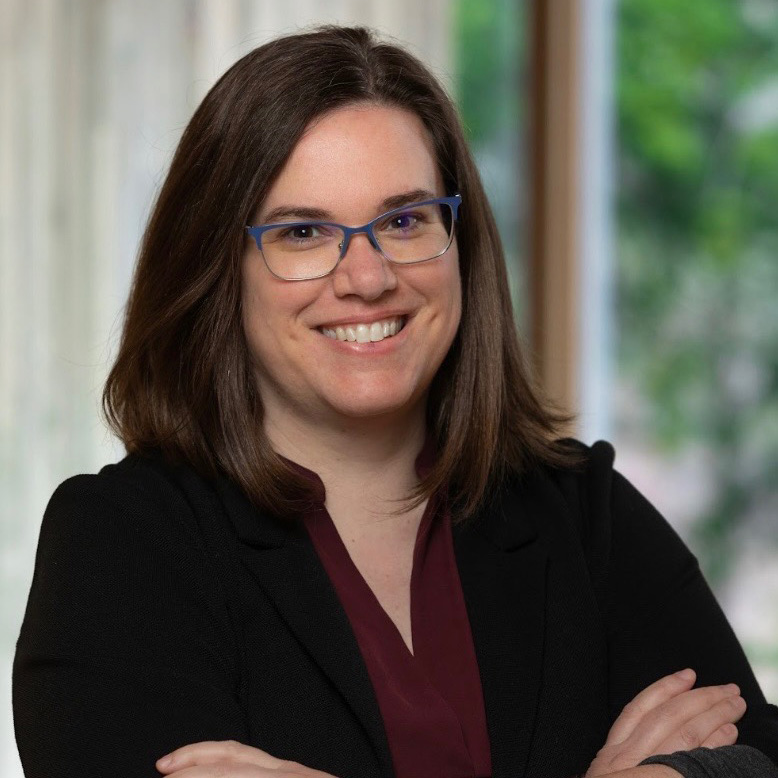
|
"Is Life Precious Here?" Relational Embodiment of Care as a Transformative Change Practice in Care Work Settings |
|
|
|
Daniel Rodriguez (he/they) Psychology & Child Development |
|
Research Project Description Embodying care practices is essential for transformative change, meaning efforts that collectively address the systemic roots of social issues (Kivell et al., 2022). Many transformative change actors identify themselves as organizers or care workers. Though impactful, transformative work can be demanding, sometimes leading to burnout and decreased engagement in organizing (Hayes & Kaba, 2023). Yet co-creating a culture of care within social change contexts may plant seeds of equity that blossom into sustainable transformative change work and the embodiment of just futures. We will analyze ~15 interviews with care workers, using a critical and relational approach to consensus qualitative research (Braun & Clarke, 2013; Hill et al., 2012), examining how participants integrate care-based practices, embodying the relational world we strive toward (Tebes & Thai, 2018).
BEACoN Scholar’s Role in the Project
Skills the BEACoN Scholar will Gain
Required Courses/Experiences
Preferred Courses/Experiences
|
|
|
Creativity Within Reason: Developing a Tool to Probe Children's Evaluation of Creative Ideas |
|
|
|
Julie Vaisarova (she/her) Psychology and Child Development
|
|
Research Project Description Having innovative ideas that make it out of the creator's mind into the world requires not just generating out-of-the-box possibilities but also taking a step back to reflect and assess whether these ideas will truly be effective. However, our understanding of how this aspect of creative thinking develops in early childhood remains unclear due to a lack of child-appropriate measures. This project will aim to validate a newly developed measure of 4- to 7-year-old children's capacity for evaluating creative ideas – the Object Evaluation Task. Rather than asking children to brainstorm many ideas, as in the divergent thinking tasks that are commonly used to study children's creativity, the Object Evaluation Task will ask children to choose from four different tools to solve an everyday problem. The extent to which children successfully select the tool that best fits the physical constraints of the problem will help us assess their capacity pause, reflect, and evaluate each possible solution. The Object Evaluation Task is meant to be a methodological tool that can support future research probing how interactions between children's developing cognitive skills and the social contexts they inhabit give rise to creativity across early childhood. A better understanding of these mechanisms has the potential to help caregivers, teachers, and early childhood programs target their strategies for nurturing creativity.
BEACoN Scholar’s Role in the Project The BEACoN Research Scholar will join a collaborative team of student researchers and contribute to the following aspects of this ongoing project:
The BEACoN scholar will also read relevant empirical articles and participate in regular lab meetings, during which we discuss current research, reflect on project progress, and give each other feedback (e.g., on upcoming presentations). There will be opportunities to lead a team discussion and/or share work for feedback (e.g., prior to the BEACoN symposium).
Skills the BEACoN Scholar will Gain The BEACoN scholar will gain hands-on experience with the process of conducting empirical, quantitative research in developmental psychology. They will…
Required Courses/Experiences
Preferred Courses/Experiences
|
|

Bailey College of Science and Mathematics (BCSM)
|
Postsecondary Pathways of the "Two or More Races" Population: A Critical Multiracial Spatial Analysis |
|
|
|
Jacob Campbell (he/him) Higher Education Counseling and Student Affairs |
|
Research Project Description This project is rooted in Critical Race Spatial Analysis and Critical Multiracial Theory, which collectively consider how geography compounds educational inequities impacting multiracial college students. The 2000 U.S. Census was the first to allow respondents to self-report more than one race, and the "Two or More Races" category has since served as a proxy for the nation’s multiracial population. As of 2010, "Two or More Races" has been a required category in federal reporting to the U.S. Department of Education’s Integrated Postsecondary Education Data System (IPEDS). However, limited quantitative research exists mapping the educational trajectories of college students in the "Two or More Races" category. Thus, the purpose of this project is visualize national trends in "Two or More Races" college access, enrollment, and outcomes using publicly available datasets.
BEACoN Scholar’s Role in the Project The BEACoN Research Scholar will play a pivotal role in expanding a pilot data visualization dashboard, scaling from one state to nationwide. With intentional training and ongoing mentorship, the primary expectations of the BEACoN Research Scholar include:
Skills the BEACoN Scholar will Gain
Required Courses/Experiences No prior coursework is required for this role, but applicants should have an interest in educational equity and multiracial students.
Preferred Courses/Experiences Some experience with Excel and/or Tableau preferred.
|
|

|
Breaking the Brakes: How the Loss of miR-34 Drives Cellular Aging and Cancer |
|
|
|
Delaney Dann (she/her/hers) Biological Sciences |
|
Research Project Description For decades, scientists believed that genetic information flowed in a clean, linear path: DNA makes RNA, and RNA makes protein. This view was revolutionized by the discovery of microRNAs, tiny molecules that do not code for any protein themselves but instead act like volume knobs capable of quietly tuning hundreds of genes at once. Among these, miR-34 stands out as a critical regulator of cellular growth, activated by the tumor-suppressor gene p53. In cancer cells, miR-34 is switched on to silence a network of genes that would otherwise drive unchecked cellular growth. When miR-34 is lost or silenced, a common feature of multiple human cancers, these molecular guardrails disappear and dangerous cancer-promoting genes run rampant, allowing damaged cells to bypass critical safety checks and multiply unchecked. The therapeutic potential of miR-34 has not gone unnoticed, as clinical trials have tested miR-34 mimics in patients with advanced cancers, reflecting the broader promise of microRNA-based medicine. However, these efforts have also revealed that manipulating miR-34 in a living system is far more complex than anticipated, underscoring the need for deeper mechanistic understanding of how and when miR-34 acts.
BEACoN Scholar’s Role in the Project The BEACoN Research Scholar will be an active contributor to every stage of this project, performing experiments, collecting and analyzing data, and presenting their findings. In Fall semester, the Scholar will focus on building foundational skills in the lab: learning to maintain and handle C. elegans cultures, identifying life stages under the microscope, synchronization of life stages, and practicing RNA isolations to develop the technical consistency this protocol requires.
Skills the BEACoN Scholar will Gain The BEACoN Research Scholar will develop a strong and transferable foundation in molecular biology techniques used daily in academic, clinical, and industry research settings. On the organismal side, the Scholar will become proficient in C. elegans culture and handling, including staging animals by developmental age under the microscope. Further, RNA isolation from a small multicellular organism is technically demanding, requiring strict attention to contamination prevention and sample quality, and mastering it is itself a meaningful accomplishment. The Scholar will learn cDNA synthesis and quantitative PCR, including the principles behind primer design, reaction optimization, and the use of reference genes to normalize expression data across samples. These techniques are among the most widely used in modern biological and biomedical research and are directly applicable to graduate school, medical research, biotechnology, and clinical laboratory careers.
Required Courses/Experiences Curiousity is the most important qualitiy to bring to this project as well as an interest in genetics and/or molecular biology. Course experience of BIO 161 (1161) or equivalent required.
Preferred Courses/Experiences BIO 351 (3351) Principles of Genetics preferred.
|
|
|
A Derivatives-First Intervention in Calculus I: Improving Conceptual Understanding and Pass Rates Through Content Reordering |
|
|
|
Saba Gerami (she/her) Mathematics |
|
Research Project Description The research objective of this project is to test whether reordering Calculus I content—teaching derivatives before limits—improves student conceptual understanding and pass rates. Calculus I is a critical gateway course for STEM majors, yet it remains a significant barrier to student success nationwide. Students come to the course with a wide range of mathematical preparedness and struggle with the rapid progression of the content, finding it difficult to develop procedural fluency while simultaneously understanding how these concepts build upon and connect to one another. To potentially address these issues, this project proposes a simple yet potentially transformative pedagogical intervention: reordering Calculus I content by teaching derivatives first, then using limits as a conceptual tool to define and deepen understanding of derivatives, and closing the course with applications of derivatives and integrals. Through a quasi-experimental study conducted over Fall 2026 and Spring 2027, this project will compare student outcomes in two business-as-usual versus two reordered sections, all taught by the same instructor. A student researcher will help revise course materials, design and analyze assessments, and share findings at national conferences. By comparing knowledge-test gains, exam performance, and pass rates across the two approaches, as well as analyzing students' own reflections on their experience, the project aims to improve student success at Cal Poly while contributing empirical evidence to the national conversation on evidence-based calculus instruction.
BEACoN Scholar’s Role in the Project This project provides comprehensive research experience for one (or two) undergraduate student researcher who will contribute to all phases of the study—from curriculum and assessment development through data analysis and dissemination. As a co-researcher, the student will exemplify Cal Poly’s learn-by-doing model in the following ways:
Skills the BEACoN Scholar will Gain Through this comprehensive experience, the student will develop expertise in education research methodology and in both quantitative and qualitative data collection and analysis. On the quantitative side, the scholar will learn to clean and manage datasets and to run statistical comparisons of student outcomes (such as pre- and post-test gains and exam performance across sections). On the qualitative side, they will learn to code open-ended student reflections—systematically labeling responses to identify recurring themes—and to build codebooks and calculate intercoder reliability, a measure of how consistently two researchers apply the same codes, which establishes the trustworthiness of the analysis. The scholar will also gain experience in academic writing and presentation, aiding the faculty mentor in co-authoring conference proposals and journal articles. Specifically, they will learn to write abstracts, conduct literature reviews, prepare and present research posters at conferences, prepare materials for conference submissions, and submit research for publication. Together, these skills position the student for future opportunities in research, graduate programs, or related careers.
Required Courses/Experiences Calculus 1 and 2
Preferred Courses/Experiences None
|
|
|
Developing New Methods to Detect Tiny Particles and Study Their Role in Host-Pathogen Interactions |
|
|
|
Mallary Greenlee-Wacker (she/her) Biological Sciences |
|
Research Project Description In a protective immune response, white blood cells recognize and destroy bacteria, promoting a return to homeostasis. However, problems arise when bacteria evade the immune system or when the immune system unintentionally damages host tissues. Neutrophils are the first type of white blood cell to arrive at the site of a bacterial infection and are critical for host defense. Like all cell types, they release extracellular vesicles (EVs), tiny membrane bound particles that carry proteins, lipids, and other molecules out of the cell. We recently discovered that EVs released by neutrophils following bacterial challenge promote blood clotting, suggesting that they may contribute to the coagulation abnormalities that prevent blood flow and damage healthy tissues and organs. However, because EVs are approximately 150 nm in diameter, they are difficult to detect and distinguish from background debris using standard laboratory methods.
BEACoN Scholar’s Role in the Project The BEACoN Research Scholar will work with our research team to develop and optimize a method for detecting extracellular vesicles by flow cytometry. The student will read and discuss primary literature, analyze proteomic datasets to identify candidate extracellular vesicle markers, isolate neutrophils and EVs, optimize fluorescent antibody and membrane dye staining, and perform flow cytometry experiments. The student will maintain an electronic laboratory notebook, organize and graph data, and participate in weekly discussions to interpret results and plan follow up experiments. As the project progresses, the student will take increasing ownership of experiments, present research updates during lab meetings, and prepare a poster for presentation at the BEACoN Research Symposium.
Skills the BEACoN Scholar will Gain The BEACoN Research Scholar will gain experience in biotechnology methods, experimental design, data management, data analysis, scientific communication, and professionalism. Required Courses/Experiences BIO 161/BIO 1151 (or equivalent) is required.
Preferred Courses/Experiences No prior research experience is necessary. An interest in cell biology, immunology, microbiology, or human health is encouraged.
|
|

|
Using Mathematics, Artificial Intelligence, and Single-Cell Genomics to Understand Cell Fate Decisions |
|
|
|
Meilin Huang Chemistry and Biochemistry |
|
Research Project Description Every cell in the human body contains essentially the same DNA, yet cells develop into many different types, such as neurons, muscle cells, or immune cells. Understanding how cells make these decisions is one of the central questions in modern biology and has important applications in regenerative medicine, cancer research, and developmental biology. Recent advances in single-cell genomics allow scientists to measure the activity of thousands of genes in individual cells, creating exciting opportunities to understand how cells change over time. This project seeks to establish a research collaboration between Cal Poly and Dr. Jianhua Xing's laboratory at the University of Pittsburgh, which develops computational methods for studying cellular dynamics using single-cell genomic data.
BEACoN Scholar’s Role in the Project The BEACoN Research Scholar will become an active member of an interdisciplinary research team. Responsibilities may include reviewing scientific literature, learning existing software, analyzing publicly available datasets, benchmarking methods, testing workflows, generating figures, documenting analyses, reproducing published results, and, if appropriate, exploring extensions to existing computational methods.
Skills the BEACoN Scholar will Gain The student will gain experience in computational biology, bioinformatics, data analysis, and scientific computing. Specific skills may include Python programming, analysis of single-cell genomics data, data visualization, version control, scientific literature review, statistical interpretation of computational results, and effective scientific communication. The student will also learn how mathematics, machine learning, and systems biology are integrated to investigate complex biological questions and will develop experience working within an interdisciplinary research environment.
Required Courses/Experiences No prior research experience is required. Students should have completed at least one introductory course in biology, chemistry, computer science, mathematics, or statistics and should be willing to learn computational tools. Curiosity, motivation, and a willingness to learn are essential.
Preferred Courses/Experiences Coursework or experience in biochemistry, molecular biology, genetics, bioinformatics, computer science, data science, applied mathematics, statistics, or Python programming is preferred but not required. Prior research experience is beneficial but not necessary.
|
|
|
Building Community Capacity for Arts Education: Research, Relationship Building, and Advocacy |
|
|
|
Crystal Mercado (She/Her/Ella) Liberal Studies |
|
Research Project Description This project explores how community-engaged and arts-based research can strengthen local arts education by documenting existing opportunities, identifying gaps, and fostering stronger connections among the people and organizations that support creative learning. Building on research initiated through the FROST Undergraduate Research Program, this work examines the current arts education landscape across San Luis Obispo County and neighboring communities while exploring how schools, artists, cultural organizations, and community members work together to create meaningful arts experiences for young people. Although California has expanded funding for arts education through initiatives such as Proposition 28, many communities continue to face challenges related to staffing, coordination, communication, and equitable access.
BEACoN Scholar’s Role in the Project As part of this project, the BEACoN Research Scholar will help investigate the current arts education landscape across San Luis Obispo County and neighboring communities while building relationships with educators, artists, administrators, parents, and community organizations. Together, we will analyze publicly available arts education data, conduct interviews and community conversations, explore arts-based research methods, and identify opportunities to strengthen collaboration across schools and community partners. The goal is to better understand the region's arts education ecosystem and help lay the foundation for a regional Arts Education Planning Team that can support long-term advocacy, collaboration, and equitable access to high-quality arts education.
Skills the BEACoN Scholar will GainThe BEACoN Research Scholar will gain experience in community-engaged and qualitative research methods, including document analysis, stakeholder mapping, interview preparation, community outreach, qualitative data organization, and thematic analysis. The scholar will also learn how to synthesize information from public datasets, district arts plans, and community conversations to better understand local arts education systems. In addition, students will develop skills in professional communication, relationship-building, project management, and arts-based research while contributing ideas, asking critical questions, and helping shape the direction of the research throughout the project.
Required Courses/Experiences LS270/LS2370
Preferred Courses/Experiences No specific coursework is required. Experience with qualitative research, data organization, community engagement, advocacy, education, or the arts is helpful but not necessary. The ideal candidate is curious, self-motivated, and comfortable communicating with new people, whether through email, phone calls, or in-person conversations. Because this project involves building relationships with community partners, students should be willing to take initiative, ask thoughtful questions, engage professionally with stakeholders, and contribute ideas throughout the research process.
|
|
|
Extreme Temperatures, Greenspace, and Brain Health among Older Adults in California. |
|
|
|
Erika Meza (she/her) Kinesiology and Public Health |
|
Research Project Description Research shows that extreme temperatures, such as heat waves, are becoming more prevalent and negatively impact public health. Extreme heat exposure is linked to higher cardiovascular morbidity and mortality, such as myocardial infarction, stroke, and sudden cardiac death, especially in older adults. Extreme temperatures may trigger dehydration, electrolyte imbalances, and stress on the heart, and affect blood pressure, all of which are related to brain health and cognition. Research on temperature and cognition is limited and inconsistent; some studies show worse cognitive performance with heat and cold, others show no effect. Most studies focus on short-term exposure and cross-sectional assessments; long-term effects and studies in diverse racial and ethnic groups are lacking.
BEACoN Scholar’s Role in the Project The BEACoN research scholar’s primary responsibilities will include: 1) identifying relevant peer-reviewed research papers, 2) developing a thorough literature review of recent studies on extreme heat and brain health, 3) developing abstracts, flow charts, and figures to illustrate our statistical findings, and 4) synthesizing results to produce a final report and/or presentation.
Skills the BEACoN Scholar will Gain Literature search and evidence gathering. Students will learn how to identify relevant peer-reviewed research, use academic databases, assess whether studies are appropriate for the research question, and organize sources for a literature review.
Required Courses/Experiences Applied Epidemiology (HLTH 318)
Preferred Courses/Experiences Research Methods (HLTH 402)
|
|
|
Fostering Transfer Student Belonging and Success |
|
|
|
Rosie Ojeda (she/her/hers/ella) Liberal Studies |
|
Research Project Description Transfer students face a unique set of both challenges and opportunities as they integrate into four-year universities (Bustillos, 2017; Shaw & Chin-Newman, 2019). This project will investigate the experiences of transfer students at Cal Poly. This project builds from the Frost SURP conducted in 2025 in the Liberal Studies Department. This BEACON project will have a broader scope and investigate the experiences of transfer students across Cal Poly. The researcher will build partnerships with campus supports, such as the Transfer Center, to recruit participants. The researcher will create and distribute electronic surveys, interview participants, analyze survey and interview data, and ultimately make recommendations to support transfer students to Cal Poly faculty, staff, and administration.
BEACoN Scholar’s Role in the Project The BEACoN research scholar will be expected to meet with campus supports to build partnerships to streamline the research and recruit participants. The researcher will create and distribute online surveys and analyze data from these surveys. They will also contact alumni and interested survey participants to invite them to interview which includes setting up interview times. The researcher will interview participants in person or via webcam and record the interview. The interview audio will be transcribed and then analyzed for themes. This research project also includes adding to the literature review which means the researcher will read and summarize research studies. Ultimately, the researcher will make present the findings as recommendations for supporting transfer students to Cal Poly faculty, staff, and administrators.
Skills the BEACoN Scholar will Gain The BEACoN research scholar will gain many skills. One skill will be time management due to the extensive nature of the research. Additional skills the researcher will gain are collaboration and outreach experience due to needing to work with, or at least consult, existing supports for transfer students. Additionally, the BEACoN research scholar will become familiar with qualitative research. This includes managing data and ensuring its privacy, conducting qualitative analyses, and becoming familiar with the Institutional Review Board (IRB) process.
Required Courses/Experiences None
Preferred Courses/Experiences Ideally the BEACON research scholar will be a Cal Poly transfer student
|
|
|
Development of cell-free expression systems toward to production of therapeutic proteins |
|
|
|
Javin Oza Chemistry & Biochemistry |
|
Research Project Description Some of the most promising new medicines and diagnostic tests begin with a protein "binder," a small, custom-built protein that functions like an antibody to latch onto a specific target such as a cancer marker, a virus, or a toxin, with the precision of a key fitting a lock. Te research project creates these binders using cell-free expression, a biotechnology that harnesses the genetic code to produce proteins directly in a test tube, without relying on living cells. The challenge this project tackles is stability. The most useful binders are held together internally by chemical bridges called disulfide bonds, which act like molecular staples that lock a small protein into a rigid, durable shape so it can grip its target tightly and survive heat, long-term storage, and the environment inside the human body. Forming these staples in the right positions requires special chemical conditions that standard cell-free systems cannot support, and overcoming that limitation is what makes designing disulfide-bonded binders both difficult and exciting.
BEACoN Scholar’s Role in the Project The Research Scholar will focus primarily on hands-on laboratory work, taking computationally designed binder candidates and bringing them to life at the bench. The scholar will begin by reading background literature on cell-free expression, disulfide stabilization, and protein binders to build a foundation for the work. Working from a panel of AI-designed binders provided by the lab, the scholar will then learn and run cell-free expression reactions to produce these proteins, and will help prepare the disulfide-compatible cell extract that powers the system. A central part of the role is optimizing the oxidizing conditions that drive disulfide bonds to form correctly, testing how changes to the reaction affect whether a binder folds into its proper shape. The scholar will characterize their proteins using techniques such as gel electrophoresis and fluorescence-based detection, check how much soluble, properly folded protein is produced, and run binding assays to test whether each binder recognizes its intended target. The scholar will record and analyze results and use them to guide the next round of experiments, gaining direct experience in the build-and-test cycle at the heart of protein engineering. Throughout, the scholar will meet regularly with the mentor for guidance and feedback, and will present their findings as a research poster at the BEACoN Symposium, with the potential to contribute to a student-authored publication.
Skills the BEACoN Scholar will Gain By the end of the project, the Research Scholar will have developed a strong set of laboratory and analytical skills that are valuable across biotechnology, medicine, and research:
Required Courses/Experiences No prior research experience is required. The most important qualifications are curiosity, reliability, and genuine enthusiasm for hands-on laboratory work. Students should have completed introductory chemistry and biology coursework and be comfortable learning new bench techniques with guidance.
Preferred Courses/Experiences Coursework in biochemistry and organic chemistry are helpful, as is any prior laboratory experience, including course labs. Comfort with careful, repetitive bench work and a methodical approach to experiments will serve a student well in this project. Students who are excited by protein engineering, synthetic biology, or the idea of building new medicines and diagnostics will find this project especially rewarding.
|
|
|
HPC for All: Making High-Performance Computing for Research Accessible at Cal Poly |
|
|
|
Trevor Ruiz (he/him) Statistics |
|
Research Project Description Have you ever hit "run" on a big analysis and then waited hours for your laptop to finish — or wished you could run a hundred versions of a simulation at once? Researchers solve this using high-performance computing (HPC): powerful shared computing clusters that run large jobs far faster than any single machine. In Fall 2025, Cal Poly gained access to an HPC cluster hosted by SDSU called Tide (https://tide.sdsu.edu), but the tools it relies on (Docker and Kubernetes, technologies used in both research and industry) have a steep learning curve and aren't taught in most coursework. This project's goal is to change that by identifying where compute-intensive needs exist among Cal Poly students and researchers and making HPC resources accessible and easy to use through teaching materials and a workshop built around tailored use cases. Part of what makes this project matter is access — making sure powerful research computing is within reach for any interested student, not just those who already know it exists or have the research mentorship to support their use of these tools.
BEACoN Scholar’s Role in the Project The student will be an active collaborator in further developing a foundation I've already put in place: an initial set of teaching materials (a conceptual guide, a reference cheat sheet, and working end-to-end examples in R and Python) and several candidate use cases the scholar can use as starting points. The scholar will extend and improve this core infrastructure and direction with a focus on making the initial materials more broadly accessible. Their work will fall into four areas outlined below.
Throughout, the scholar will manage their work with version control (Git/GitHub), collaborate with me through regular code review, and bring their own ideas and perspective to shape the direction of the work.
Skills the BEACoN Scholar will Gain The scholar will develop transferrable technical, research, and teaching skills. On the technical and research side, this includes: high-performance computing tools and workflows that enable researchers to run large-scale tasks across powerful shared clusters rather than on isolated machines; industry-standard technologies for packaging and running such work (Docker and Kubernetes); and project management skills including professional methods for managing reproducible code and workflows. These skills are in rapidly growing demand across research and industry. On the teaching side, this includes: technical writing; instructional design; classroom and time management; and public-speaking experience. On the research side, the scholar will gain a concrete understanding of how computational infrastructure supports research across disciplines, and will have opportunities to extend the work into direct research support for other students and faculty, potentially leading to downstream collaborations.
Required Courses/Experiences Interests in teaching and statistical or scientific/research computing. Experience with a high-level computing language, preferably R or python. If demonstrated through coursework: DATA/STAT 1810 (formerly STAT331), Statistical Computing with R; or, for non-Statistics majors, CSC 1001 (formerly CSC 101), Fundamentals of Computer Science, and CSC 2001 (formerly CSC 202) Data Structures, which together demonstrate comparable programming experience.
Preferred Courses/Experiences Any combination of past or planned advanced computing or statistical coursework (e.g., STAT431, CSC349, CS364), experience with Git and GitHub, mentored or independent research experience, or teaching/tutoring experience.
|
|
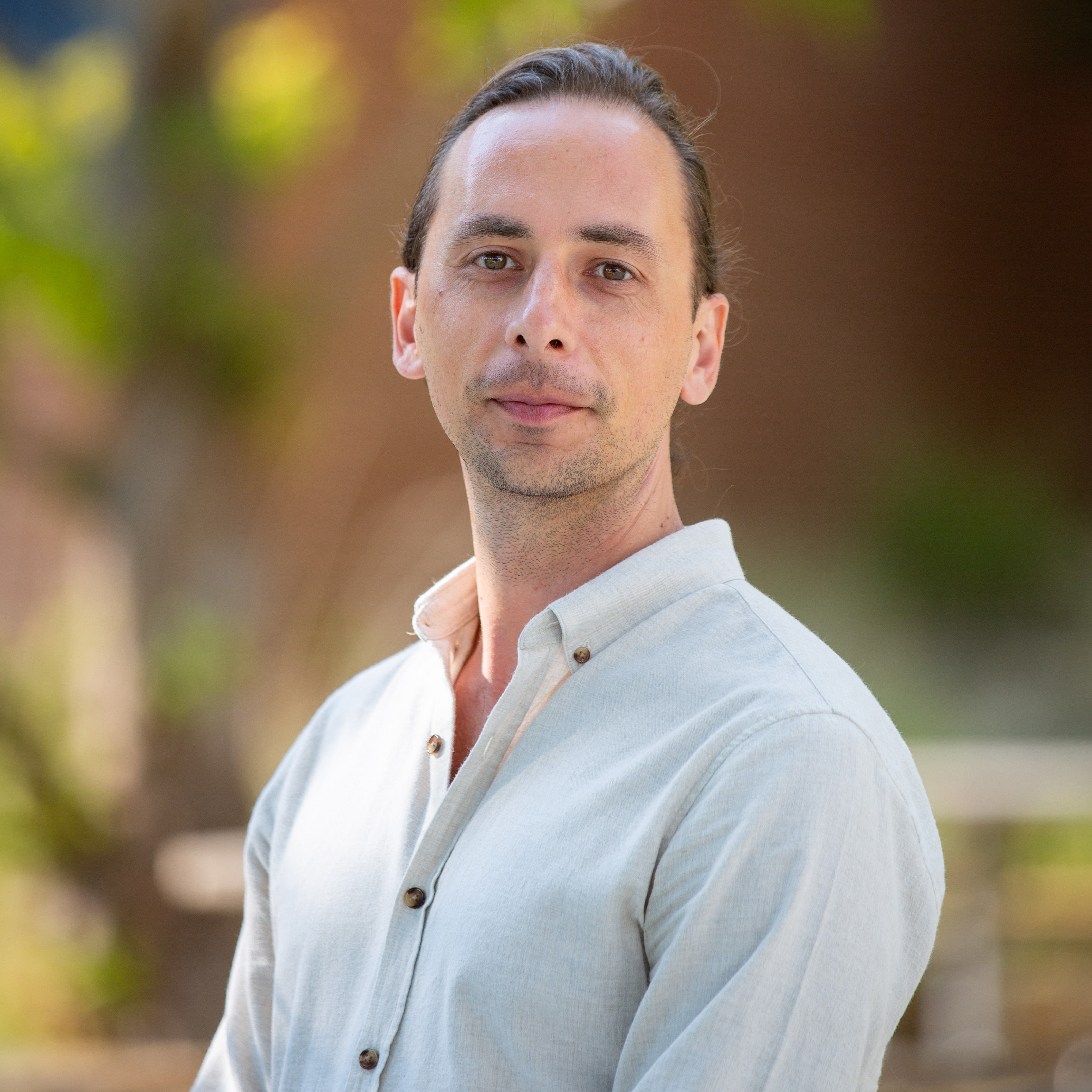
|
Cultivating Connection: Campus Protective Factors That Foster Belonging, Well-Being, and Student Success |
|
|
|
Rachel Smith (she/her) School of Education |
|
Research Project Description In 2023, the U.S. Surgeon General identified loneliness and social isolation as urgent public health concerns, emphasizing that social connection is essential to health, well-being, and community life. This project applies that national conversation to the college experience by asking: What helps students build meaningful connections and a sense of belonging on campus?
BEACoN Scholar’s Role in the Project The BEACoN Research Scholar will be actively involved in multiple stages of the research process. Early in the project, the student will help review literature on loneliness, social connection, student belonging, well-being, retention, and identity in higher education. The student scholar will also complete human subjects research training and participate in developing the interview protocol.
Skills the BEACoN Scholar will Gain The BEACoN Research Scholar will gain foundational skills in qualitative research and applied higher education research. These skills will include conducting a literature review, developing research questions, understanding research ethics, preparing IRB materials, creating interview questions, recruiting participants, managing qualitative data, and participating in thematic analysis.
Required Courses/Experiences No specific prior research experience or coursework is required. The project is designed to be accessible to students who are new to research and interested in learning through mentorship.
Preferred Courses/Experiences Preferred experiences include coursework or interest in areas such as psychology, education, sociology, ethnic studies, gender and sexuality studies, or related fields. Prior experience with qualitative research, interviewing, literature reviews, student leadership, peer mentoring, campus programs, cultural organizations, residence life, advising, or student support work would be helpful but is not required.
|
|
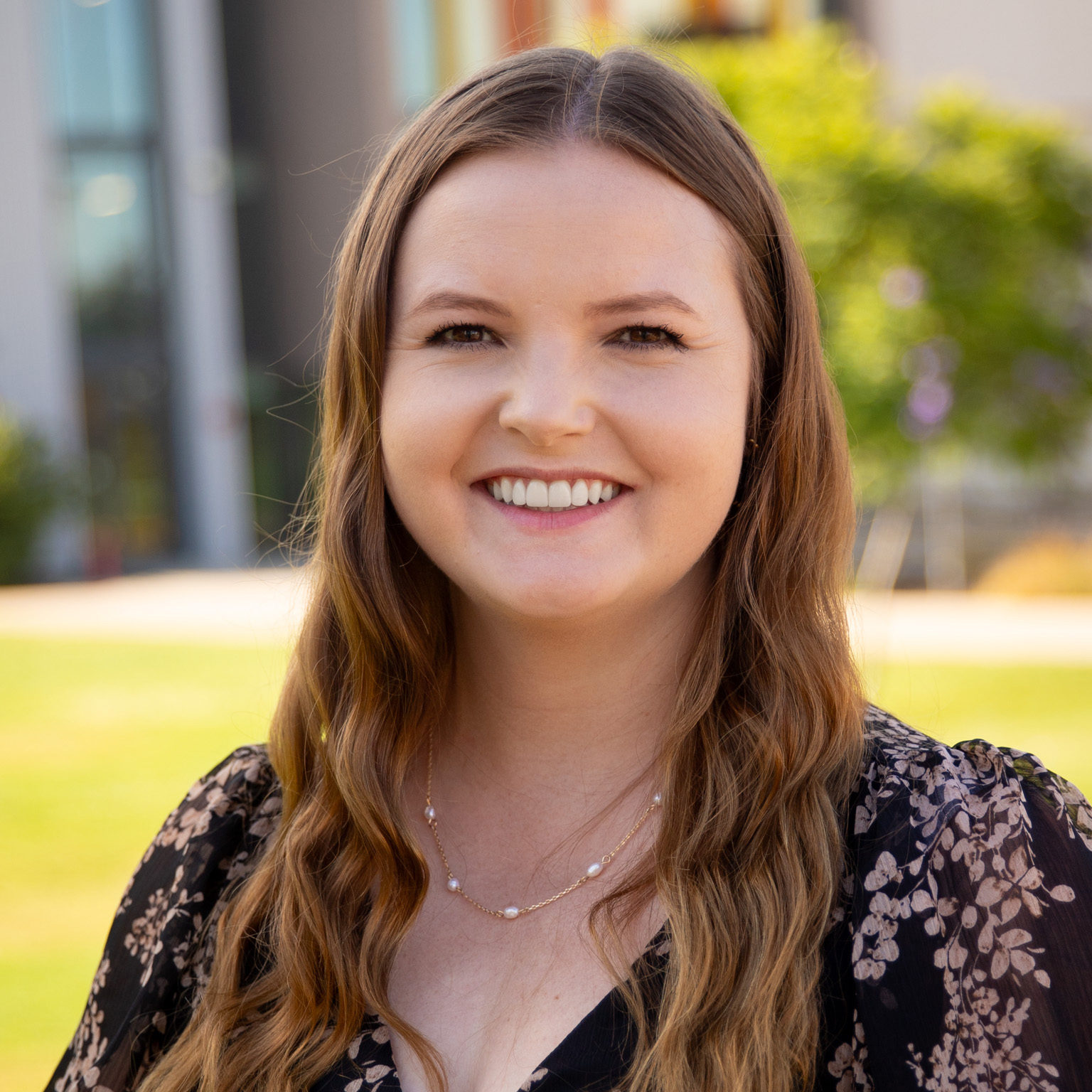
|
From Directed to Self-Determined Learning: Generative AI and Learner Agency |
|
|
|
Andrea Somoza-Norton (she/her/hers/ella) School of Education, Educational Leadership and Administration Program |
|
Research Project Description Generative artificial intelligence is changing how students learn, complete academic work, and make decisions about their own learning. This project will examine how AI can support students as they move from instructor-directed learning toward greater independence and self-determined learning. Using the pedagogy–andragogy–heutagogy continuum, we will study how graduate students use AI to clarify concepts, plan learning activities, evaluate information, solve educational problems, reflect on their progress, and design their own learning pathways.
BEACoN Scholar’s Role in the Project The BEACoN Research Scholar will work closely with the faculty mentor throughout the research process and will serve as an active member of the research team. The scholar will begin by completing required human-subjects research training and reviewing literature on generative artificial intelligence, learner agency, pedagogy, andragogy, and heutagogy. The student will help organize the literature, identify key concepts, refine survey and reflection questions, and contribute to the development of a qualitative coding framework.
Skills the BEACoN Scholar will Gain The BEACoN Research Scholar will gain hands-on experience in mixed-methods educational research. The student will complete CITI certification in human-subjects research and learn procedures for informed consent, confidentiality, secure data storage, participant coding, and preparation of a de-identified dataset.
Required Courses/Experiences No prior research experience or specific coursework is required. Applicants should have an interest in education, artificial intelligence, learning, equity, psychology, social science, or related areas. The scholar should be dependable, organized, able to maintain confidentiality, and willing to learn research methods, data management, introductory statistics, and qualitative analysis.
Preferred Courses/Experiences Preferred qualifications include coursework or experience in education, psychology, sociology, data science, statistics, research methods, artificial intelligence, or related fields. Familiarity with surveys, spreadsheets, qualitative coding, or basic statistical analysis would be helpful but is not required.
|
|
|
We Must Ensure Physical Activity Promotion, Exercise Science, and Sport Science Research is Generalizable, Transferable, and Socially Just: A Comprehensive and Cross-sectional Study to Examine whether Journal Submission Guidelines in Kinesiology Contain Statements and Reporting Policies that Support Diversity, Equity and Inclusion in Kinesiology Research and Scholarship |
|
|
|
Jafra Thomas (he, him, they, them) Department of Kinesiology and Public Health |
|
Research Project Description To be generalizable, research should use representative samples or address similar factors common to subgroups of people (Drisko, 2025, Research on Social Work Practice). To be transferable, research findings or insights should sensitize readers to ways concepts or trends can be used to understand, critique, and creatively address a problem or topic (Drisko, 2025, Research on Social Work Practice). To be socially just, research practices and interpretation of results should mitigate against systemic factors which limit access, equity, and inclusion within research environments, as well as within settings which results might be applied (Harrison Jr. et al., 2021, Quest). In general however, social injustices persist in kinesiology research (and other areas of study)—despite the benign intentions of researchers, reviewers, and journal editors. There remains serious concern of whether findings or insights, published in kinesiology journals (and other areas of study), are generalizable or transferable (D’Lauro et al., 2022, British Journal of Sports Medicine). For example, French and Cardinal (2021) analyzed the characteristics of participants reported in 200 research articles published in the, Recreational Sports Journal, between 2005 and 2019. Only 1% of articles reported sampling individuals with a disability or investigating ways disability may intersect with participation in recreational sport programs or activities. Percentages, however, were marginally better concerning race-ethnicity or gender. Researcher inattention to issues of under- or no representation, and systemic barriers to participating in kinesiology research, reinforces invisibility and marginalization in sport, physical activity promotion programs, and therapeutic exercise services (Position Stand on Inclusion in Exercise Science; Navalta et al., 2024, International Journal of Exercise Science). We must ensure kinesiology research is socially just and generates findings that are generalizable and transferable. To do this, we must better understand the extent kinesiology journal submission guidelines support diversity, equity, and inclusion in kinesiology research and scholarship. This topic is under-investigated. The pilot research that led to the present project might be the first such study (Thomas et al., in press, International Journal of Exercise Science). BEACoN Scholar’s Role in the Project
Skills the BEACoN Scholar will Gain
Required Courses/Experiences
Preferred Courses/Experiences
|
|
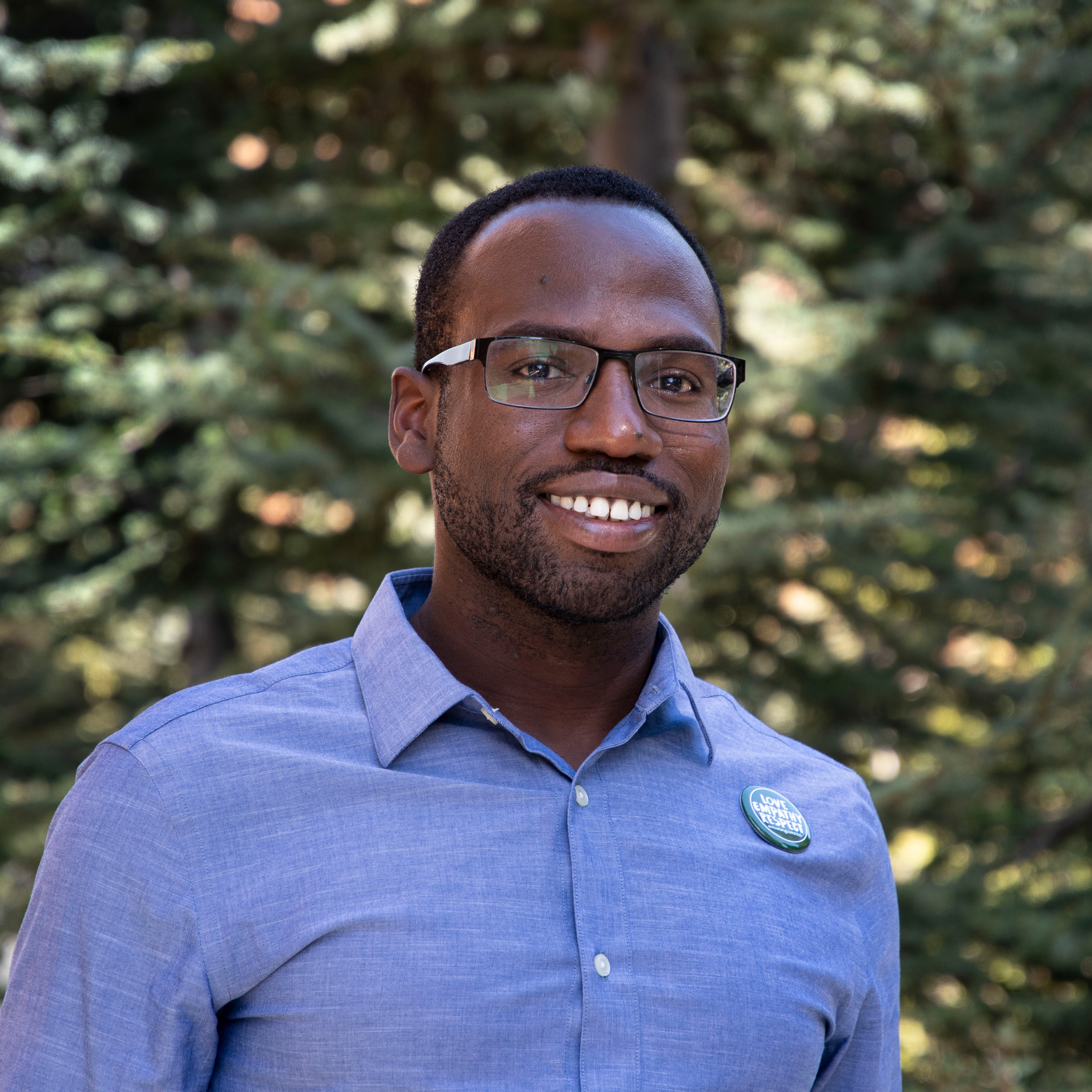
|
Searching for New Physics Through the Higgs Boson Using Data From CERN's Large Hadron Collider |
|
|
|
Jason Veatch (he/him) Physics |
|
Research Project Description The Standard Model of particle physics is one of the most successful scientific theories ever developed, accurately describing the known fundamental particles that make up our universe and their interactions. Despite its remarkable success, the Standard Model leaves many fundamental questions unanswered, including the nature of dark matter, the origin of the matter-antimatter asymmetry in the universe, how gravity fits into our understanding of fundamental forces, and whether additional fundamental particles or forces remain to be discovered. One of the most promising ways to search for new physics is by studying the Higgs boson, which was discovered at CERN's Large Hadron Collider in 2012.
BEACoN Scholar’s Role in the Project The BEACoN Research Scholar's specific role will be determined based on their interests, prior coursework, programming experience, and professional goals. This flexibility allows students with different backgrounds and strengths to make meaningful contributions while continuing to develop new skills throughout the project.
Skills the BEACoN Scholar will Gain The specific technical skills the BEACoN Research Scholar develops will depend on the aspect of the project to which they are matched. All students, however, will gain experience with authentic scientific research and will develop transferable research and professional skills, including:
Depending on their research project, students will also develop specialized technical skills.
Phenomenology
Scientific Software Development
These technical and professional skills are broadly transferable to graduate study and careers in physics, data science, software engineering, scientific computing, engineering, and other quantitative disciplines.
Required Courses/Experiences Because students will be matched to different aspects of the research program based on their background and interests, the required preparation depends on the specific project. In general, students should have:
For students working on experimental particle physics or phenomenology projects, successful completion of a Modern Physics course (or equivalent background in quantum mechanics and special relativity) is required.
Preferred Courses/Experiences Preferred preparation depends on the specific research direction to which the student is matched.
Phenomenology
Scientific Software Development
|
|

|
Probing the Surroundings of a Supermassive Black Hole |
|
|
|
Lizvette Villafaña (she/her/ella) Physics |
|
Research Project Description Supermassive black holes and their host galaxies seem to grow together. To explore this connection, we study the region of fast-moving, glowing gas that orbits close to the black hole. Although black holes themselves emit no light, the material surrounding them becomes extremely hot and bright as it falls inward. When that light varies in brightness, the nearby gas responds with a delayed "echo." From those echoes, we can determine how far the gas is from the black hole and use gravity to estimate the black hole's mass. However, we can't capture these environments in direct images, and the echoes alone don't reveal the structure or motion of the nearby orbiting gas.
BEACoN Scholar’s Role in the Project During the Fall semester, the student will focus on developing familiarity with the literature, data structure, and modeling code using a pre-modeled dataset. In the Spring, the student will begin applying the code to the new data and preparing a poster presentation for the Bailey College of Science and Mathematics Student Research Conference and the BEACoN Research Symposium.
Skills the BEACoN Scholar will Gain Through this project, the student will gain hands-on experience in computational astrophysics research, data analysis, and scientific communication. From a technical standpoint, the student will develop or improve their coding skills in Python and will be introduced to Bayesian inference, a powerful statistical method used for forward modeling across a wide range of fields, including finance, healthcare, sports analytics, and many more. Required Courses/Experiences
Preferred Courses/Experiences
|
|
|
Mathematical Modeling of Learning with AI Assistance and Digital Distraction |
|
|
Tony Wong (he/him/his) Mathematics Department |
|
|
Research Project Description When stepping into a library, you will find many students studying with their laptops and phones on, likely chatting with AI tools. This naturally raises the question: do chatbots help us learn better? To master a concept, our minds search for that "clicking" moment when everything finally makes sense. With time, we usually move forward to a fuller understanding, though we may occasionally become confused, forget what we learned, hence take a step backward in our learning progress. Learning is a process with an uncertain timeline. We often do not know how long it will take to reach mastery. While chatbots can demystify our questions in seconds, they may also interrupt our focus, tempt us to read answers without fully digesting them or thinking critically, and even lead us to wrong ideas through hallucinations or imprecise explanations. Can we use mathematics to understand how learning is facilitated, or obstructed, by the use of AI?
BEACoN Scholar’s Role in the Project
Skills the BEACoN Scholar will Gain
Overall, this project will provide a unique experience for the scholar, who will apply stochastic modeling, analysis and scientific computing to a timely problem: how AI tools may influence learning. This project is particular suitable for BEACoN because the mathematical pre-requisite is relatively mild, while the research question is interdisciplinary and relevant to equity in learning.
Required Courses/Experiences Linear algebra (MATH 206/1151)
Preferred Courses/Experiences Basic probability (STAT 305/2610)
|
|
Orfalea College of Business (OCOB)
|
Advancing Audio Material Accessibility for Postsecondary Students With ADHD, Dyslexia, and Dysgraphia |
|
|
|
Benjamin Alexander (he/him) Management, Human Resources, and Information Systems |
|
Research Project Description This project evaluates an audio learning system that uses generative AI to make voice the primary channel for engaging with recorded content and integrates playback with a knowledge system. The central research question is whether voice-mediated, AI-supported interaction reduces extraneous cognitive load and supports comprehension relative to conventional workflows, and whether those effects are more pronounced for students with ADHD, dyslexia, and dysgraphia.
BEACoN Scholar’s Role in the Project
Skills the BEACoN Scholar will Gain The Scholar will build a foundation in empirical social-science research methods:
Required Courses/Experiences
Preferred Courses/Experiences
|
|
|
C-AI-R: Helping Students Build Career Agency, AI Fluency, and Responsible Reliance |
|
|
|
Ashish Hingle (he/him) Management, Human Resources, and Information Systems Yongcheng Zhan (he/him) Management, Human Resources, and Information Systems |
|
Research Project Description Generative AI is changing much of the college experience, including how students prepare for internships, jobs, and early-career work. Students are increasingly using generative AI to explore career possibilities and develop materials for internship and job applications. However, as with other uses of generative AI, students need structured guidance to understand how AI can support their career preparation and readiness without replacing their own judgment, reflection, or authentic representation of their skills. This project will design and pilot C-AI-R: Career Agency, AI Fluency, and Responsible Reliance, a guided career readiness workshop that supports students use of AI to reflect on career goals, improve career materials, identify skill gaps, and make responsible decisions about AI-generated recommendations. Rather than replacing career services, faculty advising, college-level professional development programs, or other institutional resources, C-AI-R is designed to supplement those resources by giving students an additional guided space to explore job search recommendations with responsible AI guardrails, all while providing a space for students to build their AI literacy.
BEACoN Scholar’s Role in the Project The 2 BEACoN Research Scholars will be integral members of the research team and will be heavily involved in all aspects of the project. Specifically, they will contribute to both the design and evaluation of the C-AI-R workshop model, and analysis of the workshop outcomes. The scholars will help refine the C-AI-R model, review related research on AI-enabled career readiness, responsible AI use, student equity, and career development, and assist with developing student-facing workshop materials.
Skills the BEACoN Scholar will Gain The BEACoN Research Scholars will gain experience with design science research, human-centered evaluation, survey development, responsible AI use, and student-centered career readiness research. The scholars will learn how to connect theory, measurement, and workshop design by helping operationalize the C-AI-R model and evaluate how students use an AI-enabled career preparation system. The scholars will also be part of project management decisions, and will need to manage many aspects of the research pipeline which can need to be ordered and organized to meet deadlines.
Required Courses/Experiences Students should have an interest in student career readiness, responsible AI use, technology design, education, equity, or access to opportunity. Students should feel comfortable using spreadsheets. Scholars should be willing to take ownership of project responsibilities, learn new tools, communicate regularly, engage thoughtfully with student data, and contribute to both design and research tasks. No specific prior research experience is required.
Preferred Courses/Experiences Experience with any of the following would be helpful but is not required: human-computer interaction (courses or research on how people interact with technology), information systems, implementing workshops in education contexts, data analysis and statistics, AI tools, career development, and resume or portfolio development. Familiarity with tools such as survey platforms, and dashboards would be useful.
|
|
|
The Global AI Opportunity Gap: Access, Equity, and Environmental Cost Across Higher Education Systems |
|
|
|
Alexa Loken (she/her) Industrial Technology, Packaging and Entrepreneurship (OCOB); Management, Human Resources, and Information Systems (OCOB); and Communications (CLA) |
|
Research Project Description As AI tools become as foundational as the internet, a critical question emerges around who actually gets to benefit, and who pays the price. This research project investigates the growing gap between universities and countries that are meaningfully preparing students to engage with AI and those that are not. Using publicly available data- university course catalogs, national education policy documents, international reports, and sustainability assessments- the student researcher will compare how institutions in the United States, Singapore, Thailand, and Kenya are building AI literacy across their student populations, with reference to emerging EU regulatory frameworks. These four countries represent a deliberate spectrum: from a national mandate requiring all students to develop AI skills (Singapore), to a teaching-focused university system navigating institutional variation without a national standard (U.S.), to emerging economies with strong aspirations but significant infrastructure and access barriers (Thailand, Kenya). The project asks: which students and institutions are gaining genuine AI readiness, and which are being left behind? And critically, how does that answer change for students at under-resourced institutions, in low-income communities, or in countries with limited digital infrastructure?
BEACoN Scholar's role in the Project The BEACoN Research Scholar will serve as co-investigator across two semesters of structured, phased research. In Fall semester (5 weeks, November- December), the student will: conduct a systematic literature review of AI literacy frameworks from UNESCO, Stanford HAI, and WCET; build a scoring rubric across five institutional dimensions (AI courses offered, institutional policy, equity/access initiatives, faculty support, and career readiness integration); begin primary data collection on U.S. institutions using public course catalogs and policy documents; and draft an annotated bibliography and project methodology document.
Skills the BEACoN Scholar will Gain Systematic literature review: Identifying, evaluating, and synthesizing peer-reviewed research, institutional reports, and international policy documents- a foundational research competency across disciplines
Required Courses/Experience No specific courses required. Student should demonstrate: genuine curiosity about technology/AI, equity, sustainability, and/or global issues; reading and synthesizing written sources in English; and basic proficiency with digital tools like Google Suite
Preferred Courses/Experience Coursework in communications, business, environmental studies, international studies, political science, sociology, or a related field preferred. As is:
|
|
|
AI-Enabled Human–Robot Collaboration through Brain–Computer Interfaces |
|
|
|
Javier Gonzalez-Sanchez (he/him) Computer Science and Software Engineering (CENG) Rafael Guerra Silva (he/him) |
|
Research Project Description Brain–computer interfaces (BCIs) and artificial intelligence (AI) are opening new possibilities for how humans and robots can work together. This project provides students with opportunities to collect electroencephalography (EEG) data (brainwave measurements) and explore its application to human–robot collaboration. Students will work with diverse commercial BCI devices to investigate how brain activity reflects user intent, attention, and cognitive workload, and how these signals can support more adaptive interactions between humans and robots in industrial and assistive settings.
BEACoN Scholar’s Role in the Project Students will be contributing to both the technical and experimental parts of the project. The student will help set up and use commercial brain–computer interface (BCI) devices, collect electroencephalography (EEG) data from study activities, and maintain organized records of device settings, participant tasks, and data collection procedures.
Skills the BEACoN Scholar will Gain Students will gain experience with methods commonly used in neurotechnology and AI research. This includes EEG data acquisition using commercial brain–computer interface devices, data organization and management, and the application of machine learning techniques to identify patterns related to user intent, attention, and cognitive workload.
Required Courses/Experiences Recommended preparation includes courses in (1) programming (Java, Python, or C/C++), (2) data structures.
Preferred Courses/Experiences It is a plus: (1) software engineering (familiarity with agile software development methods) and (2) computer networking (protocols, ports, etc.) |
|